While scrolling through social media platforms like Facebook, Instagram, or TikTok, you might come across an eye-catching food influencer. This influencer appears to be in the kitchen, blending ingredients and sharing the health benefits of each one while creating a visually appealing healthy dish. However, this influencer is not a real person, and the recipe is made up. A friend recently shared a Facebook Reel from an account named Nico Reeves Health, which boasts 17,000 followers. The friend thought the recipe looked delicious, but to the observer, it seemed suspicious.
Upon further inspection of the account’s other videos, it became evident that the entire account was generated by AI. There is also an Instagram account with the same name, which has only eight followers. On Instagram, the profile clearly indicates that it is AI-generated, while the Facebook page does not mention this. The Facebook video shared has received over 865,000 views, highlighting its potential for earning money, but it is all fabricated.
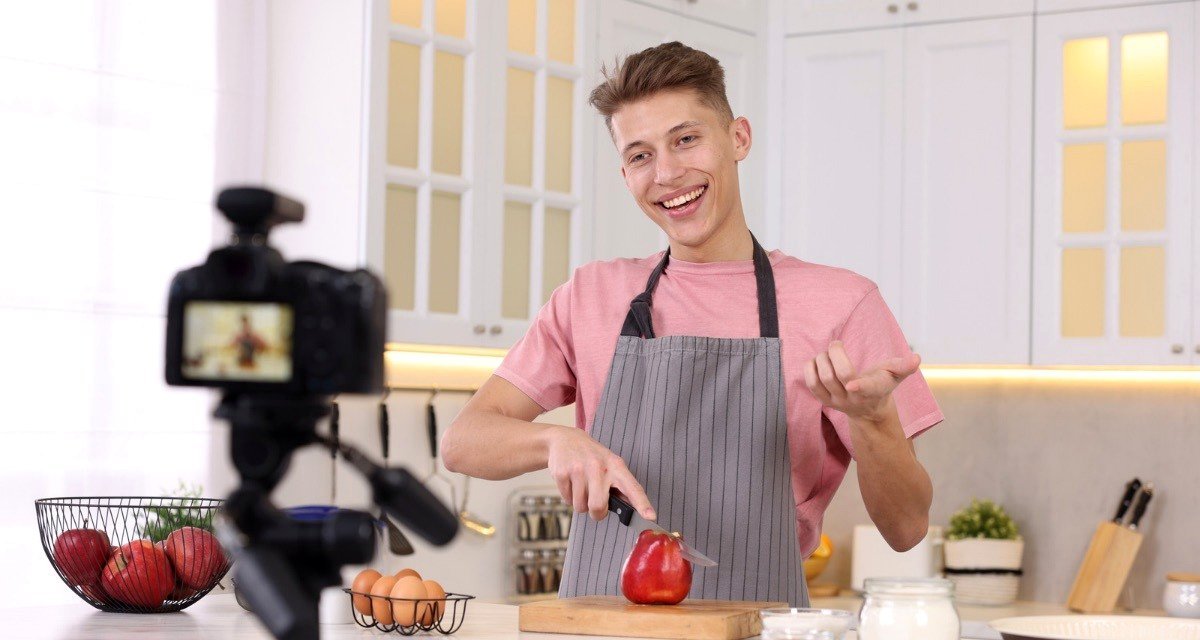
To identify an AI-generated account, it helps to look for specific clues. While some videos may have an “AI content” label, many users might not realize this means the entire account is AI-made. In earlier AI content, it was easier to identify fakes because distorted images, such as people with extra limbs or unrealistic faces, were common. Though these AI-generated personas may now appear more lifelike, distinguishing them is becoming more challenging.
Some suggest they can recognize AI-generated people by their eyes, but as technology improves, it’s becoming increasingly difficult to spot the difference. Despite this, there is often an uncanny quality to AI-generated individuals that feels just “off,” but it is uncertain how much longer this will be noticeable.
Another example of an AI-generated account is Marlon Cade Health on TikTok, which seems convincing at first glance. The TikTok profile claims that Cade is a “Retired NFL Nutritionist” who promotes “Simple habits. Real food. Better living.” The page has over 200,000 followers and does not mention AI in the profile. However, individual videos do include a note stating “Creator labeled as AI-generated.” Many viewers in the comments are unaware that the person is not real.
In these instances, it is often the details outside the individual that reveal the AI nature. For example, all the videos from Nico Reeves feature an American flag in the background, but in some clips, there are two flags stacked on top of each other. Additionally, the number of stars on one flag is incorrect. In another case, the flag shown behind the speaker has only 11 stripes instead of the correct 13. AI often fails to accurately depict items like flags.
The kitchen settings also vary in these videos. The cabinet colors differ, switching from green to white to oak, and the countertops change as well. In Marlon Cade’s videos, inconsistencies in his tattoos are noticeable, as details shift between clips. Some tattoos appear and disappear without explanation. Most viewers might miss these cues while being captivated by the person’s looks.
To effectively identify an entirely AI-generated account, viewers should look carefully at the details across multiple videos. Considering the issues with these AI-generated health accounts, what do you think about the rise of such content in social media?
Sources:
Source: Upworthy, by Annie Reneau