Going to court can be a challenging experience for many people. With so much on the line, it’s common for individuals to want a favorable outcome. While most try to present their case honestly, some choose to manipulate the facts or engage in questionable practices to secure a win. A discussion among lawyers revealed some of the most unethical actions they have observed in legal cases. These professionals have shared surprising stories about the lengths some individuals will go to in order to win.
One lawyer shared an experience from their time at a commercial law firm. They advised a large oil and gas client that owned a polluted site in a residential area. The lawyer’s boss suggested that the client transfer the site to a new limited liability company that had no assets. This way, if the government mandated cleanup, the original client would avoid responsibility. The lawyer left the firm shortly after this incident.
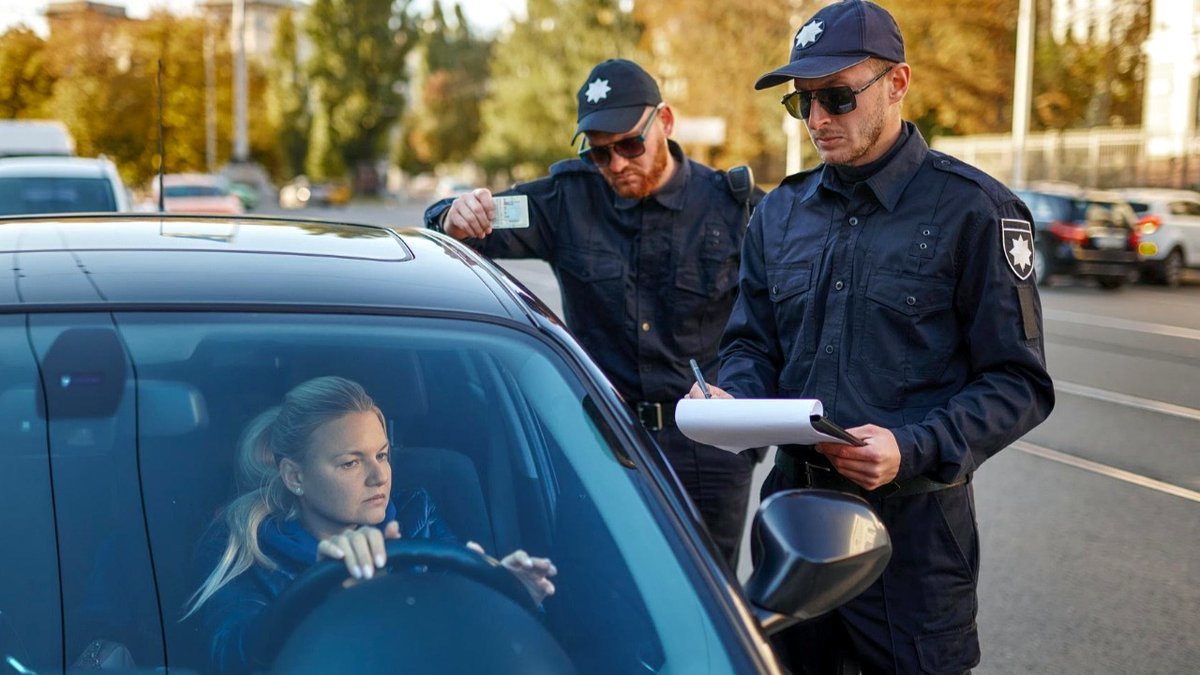
Another story came from someone whose parents were involved with an unscrupulous attorney. In 2005, they paid cash for carpet installation and received a receipt. Seven years later, they received a letter from a law firm claiming that the carpet company had not been paid and that legal action would be taken. The father, who had kept the receipt, decided to fight back. He researched the attorney’s rights in this situation and discovered that the lawyer had a history of accusing paying customers of non-payment. On the court date, the father arrived with his receipt, while the attorney had only an invoice. The attorney broke numerous court rules and made disparaging comments about the father. Despite the evidence, the father lost the case. Afterward, the attorney spoke with the judge in a small circuit court setting, suggesting a close relationship that benefited the attorney. A year later, the parents filed a misconduct lawsuit against the attorney and requested a judge from outside the circuit. This time, the judge took a firm stance against the attorney’s tactics, and the parents won the case.
A former public defender in Detroit recounted experiences with law enforcement during court cases. They frequently witnessed police officers claiming that video footage of incidents did not exist. The law requires police cameras to be operational during stops, but the public defender noticed that no officers were able to provide video evidence. Officers often stated the footage had malfunctioned, been accidentally erased, or that the camera was broken. The public defender felt the environment was unusual, as the police viewed defense attorneys and the legal system as adversaries, likely leading to many unfair outcomes.
What do you think about these unethical practices in legal cases?
Sources:
Source: Bored Panda, by Rūta Zumbrickaitė