Signs are meant to make life easier by providing directions, explaining rules, highlighting warnings, and informing us about what we should or shouldn’t do. However, sometimes signs end up being confusing or unclear. People might find signs with strange wording, contradictory instructions, or messages so difficult to understand that they need to read them multiple times to figure them out. A Reddit page dedicated to these odd signs has gathered some of the funniest and most perplexing examples from around the globe. These signs, which can be poorly worded or raise more questions than they answer, show that even simple messages can go awry.
Signs play a crucial role in how people communicate daily. They help to quickly share information, often without needing to speak the same language. According to Psychology Today, signs serve multiple purposes. They can warn individuals about dangers, help them navigate new places, and clarify public rules. Different kinds of signs, like road signs and emergency exit symbols, help people work together and make shared areas easier to use. Their effectiveness often comes from their simplicity, as familiar colors, shapes, arrows, and symbols can convey messages quickly, even in busy settings where someone might miss spoken directions.
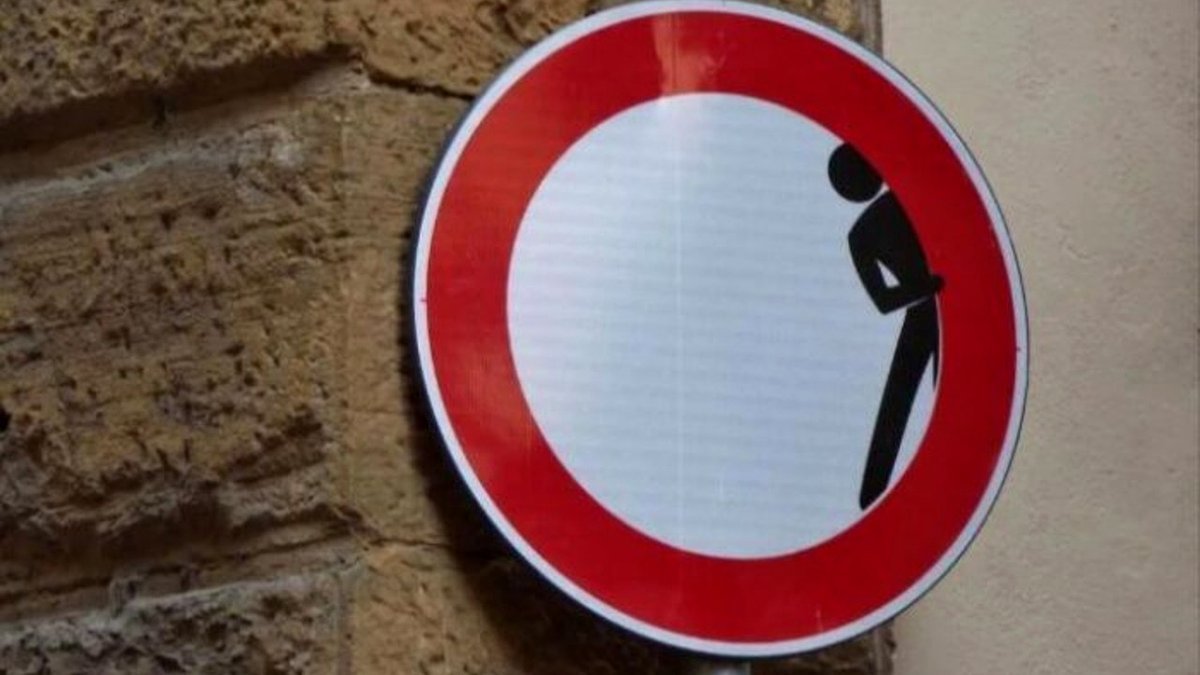
To be effective, signs must clearly communicate their intended messages. When a sign’s meaning is unclear, it can lead to frustration rather than assistance. This often occurs because people have a limited capacity for processing information at a time. Ideally, one should look at a sign, grasp its meaning, and know how to respond. However, if they have to reread it, guess the meanings of specific words, or determine which instruction is more important, it complicates the process unnecessarily. Even straightforward messages can become hard to follow if the wording or layout is confusing.
The concept of cognitive load, discussed by InnerDrive, addresses these issues. Cognitive load refers to the mental effort needed to process information. Because working memory can handle only a small amount of information at once, unclear signs make individuals use some of their mental capacity just to understand what to do. Ambiguous wording, lack of context, unfamiliar terms, and poorly organized steps can all add to this problem. Conflicting instructions can be especially challenging, as readers must first figure out which message to believe before they can act on it. This extra mental effort is termed extraneous cognitive load, and studies have shown that poorly designed instructions lead to increased mental demands and decreased efficiency.
The phrasing of a sign can also significantly impact how it is understood. The Stanford Encyclopedia of Philosophy notes that people interpret messages not only by the literal meanings of words but also by considering context, shared knowledge, and expectations.
Have you ever come across a sign that left you scratching your head?
Sources:
Source: Bored Panda, by Erika Saikovskytė