Many people have scrolled through social media and come across something so unusual that they had to read it again. Often, the funniest things are not actual jokes, but rather snippets of people’s lives that leave us curious about the background. The internet is full of strange discussions, unexpected remarks, and posts that seem completely random. Even everyday events can seem odd without context, making us wonder what led up to or followed those moments. This article shares some bizarre and amusing out-of-context posts, highlighting the internet’s endless surprises. From unexpected remarks to conversations that raise more questions, these posts will make you pause, laugh, and think about what else is out there.
Before diving into the strange things people post online, it helps to consider what makes us laugh. Humor often arises when something defies our expectations yet remains safe. A funny moment might surprise us, challenge our sense of normal, or present something familiar in a new light. Not all humor relies on clever punchlines. Sometimes, being funny comes from unexpected situations or odd moments that, while unusual, aren’t harmful. This is why different people can respond very differently to the same joke.
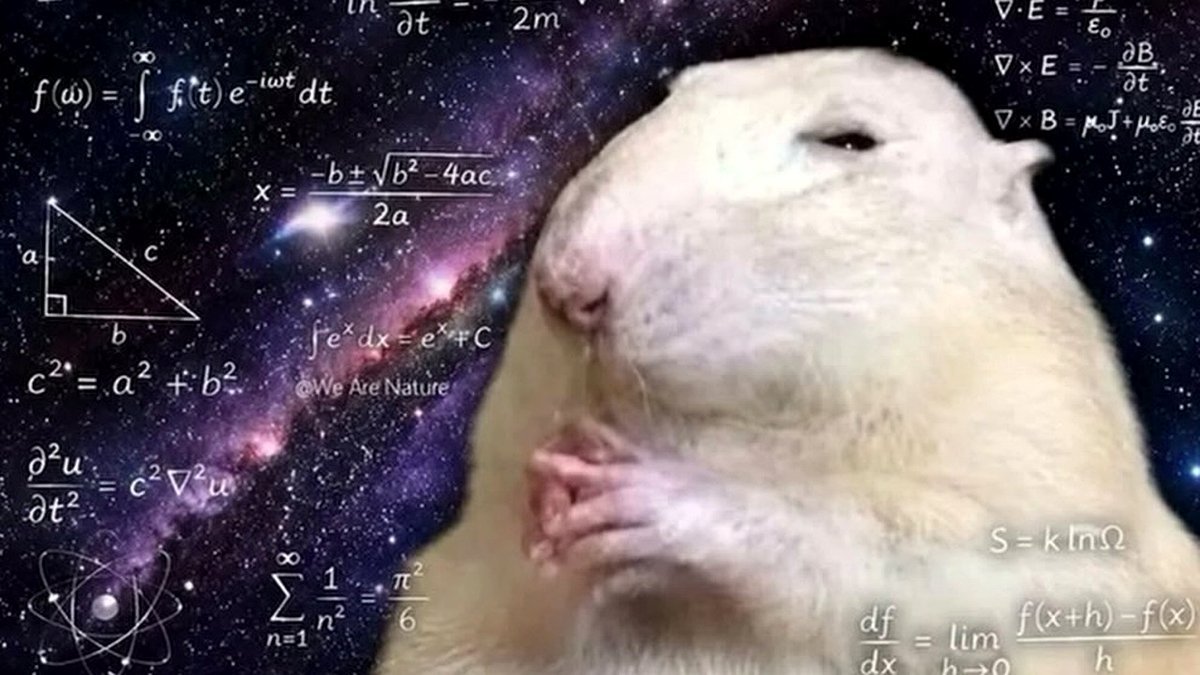
Humor has always thrived on surprise, but younger generations are discovering fresh ways to express it online. Gen Z tends to favor content that lacks traditional punchlines, opting instead for intentional nonsense, quirky images, and inside jokes that might confuse those not part of their online circles. A notable example of this new trend is brainrot content. In discussions with 24 individuals aged 13 to 26, many revealed that this type of entertainment allows them to escape, connect, and enjoy visually interesting material. Rather than seeking deeper meanings, some young people simply prefer content that disregards traditional logic.
Fans of non-traditional comedy are often attracted to absurdist humor, which deliberately breaks the typical rules of storytelling and conversation. A strange comment, an unexpected answer, or a nonsensical scene can provoke our need to comprehend what is happening. This confusion can itself be intriguing. Absurd scenarios may prompt people to search for meaning when things don’t conform to expected patterns. Research involving Kafka’s writings, Monty Python parodies, and abstract art indicated that viewers often desired more structure after encountering particular absurd content, with the strength of this effect varying based on their initial expectations.
When absurd humor appears online, it can be transformed into recognizable content that others can share and adapt. Memes are not just humorous images or videos; they offer users a common reference point they can modify to express ideas, experiences, and feelings that resonate within their communities. This shared language can foster connections around a collective identity. For instance, when many users created their own versions of the It Gets Better videos, they reused familiar elements and infused their own messages. This phenomenon illustrated how online communities can build a collective voice through content that people replicate and alter.
Memes allow humor to spread in ways that do not adhere to the traditional joke structure. Many online posts feature silly word combinations, sudden interruptions, or pictures paired with unrelated text. People are drawn to these posts because of the bizarre combinations, rather than any storytelling that includes setups and punchlines. Researchers identified five common types of humor: linguistic silliness, embodied silliness, pastiche, dislocations, and interruptions. These methods demonstrate how online creators can transform seemingly meaningless content into something that captures people’s attention.
What is your favorite out-of-context post that made you laugh?
Sources:
Source: Bored Panda, by Ilona Baliūnaitė