Photos serve as gateways to the past, capturing moments that remind us of who we were and what we experienced. The trend of sharing “Then and Now” photos has gained popularity online, especially on Threads, where users post side-by-side images showcasing how they have changed over time. A collection of notable examples is presented below, encouraging others to reflect on their memories.
Many online platforms are filled with nostalgic throwback challenges. One recent trend, “2026 is the new 2016,” had people comparing their current photos to those from 2016, highlighting a decade of personal growth and changes in style and life circumstances. These before-and-after photo comparisons show a shared desire to connect with the past, which goes beyond being just a trend; it’s a psychological phenomenon.
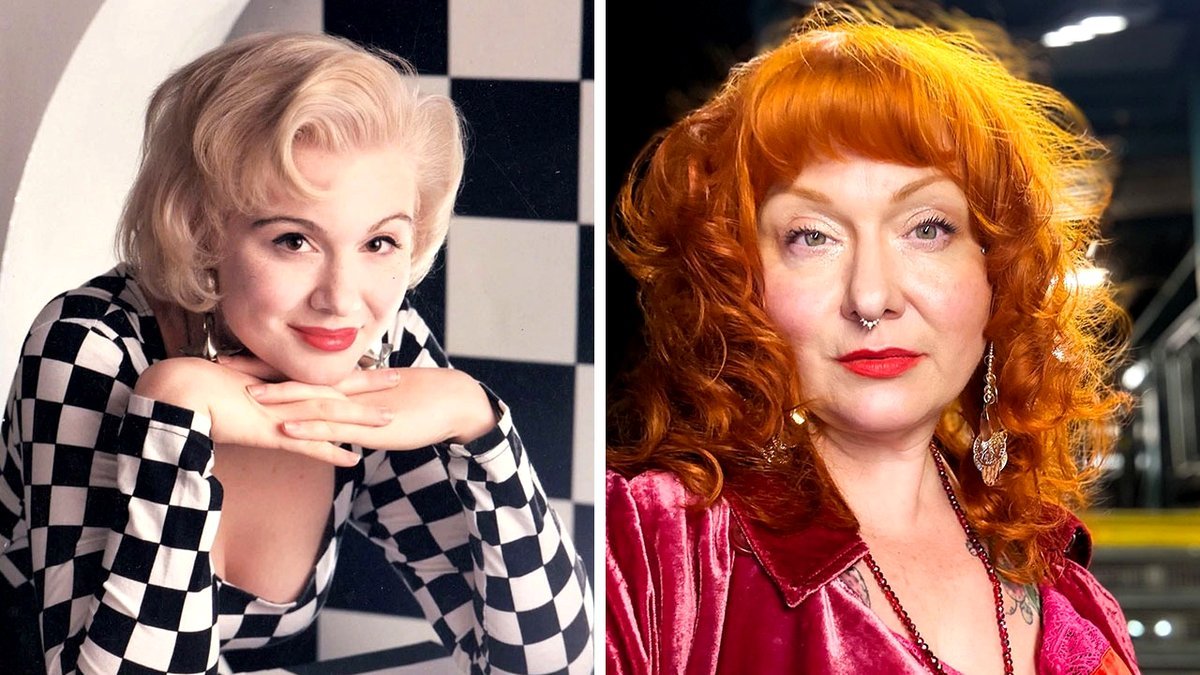
The idea of nostalgia has an interesting history. It was first introduced by Swiss physician Johannes Hofer in 1688, who defined it as a medical condition that affected soldiers feeling homesick. Hofer believed that nostalgia prevented these individuals from living in the present due to their fixation on past memories. However, modern research portrays nostalgia in a much more positive light.
Studies led by psychologists Tim Wildschut and Constantine Sedikides at the University of Southampton demonstrate that nostalgia can help maintain a sense of identity over time. Their findings suggest that looking back can enhance one’s emotional well-being by connecting childhood memories with present experiences. Behavioral psychologist Jo Hemmings noted that revisiting cherished memories can improve mental health by fostering happiness and positivity.
Researchers differentiate between two types of nostalgia: restorative and reflective. Restorative nostalgia happens when joyful memories prompt people to recreate past experiences, like siblings duplicating a family vacation photo or parents visiting their former schools. Reflective nostalgia occurs during tough times, providing comfort and support while dealing with loss. Both types are shown to offer mental health benefits, helping individuals find solace in simpler times.
The impact of viewing personal photographs is significant. Research from photo brand CEWE indicates that looking at past images can be more relaxing than meditation, with a notable percentage of people saying they find comfort in revisiting old photos.
What are your thoughts on nostalgia and its effects?
Sources:
Source: Bored Panda, by Denis Krotovas