Agatha Christie is known as one of the best-selling authors of all time. She wrote more than 80 books and sold billions of copies around the globe. Her clever detective stories and thrilling murder mysteries have fascinated readers for over a hundred years. However, many people do not know that her careful writing helped save the life of a child.
In June 1977, a 19-month-old girl was flown from Qatar to London in serious condition. She was admitted to Hammersmith Hospital, suffering from a puzzling illness that left the medical team confused. The young girl was semi-conscious, had very low blood pressure, struggled to breathe, and was losing her hair in clumps. The doctors performed numerous tests for rare diseases, but every attempt to figure out what was wrong led to a dead end as her health continued to worsen.
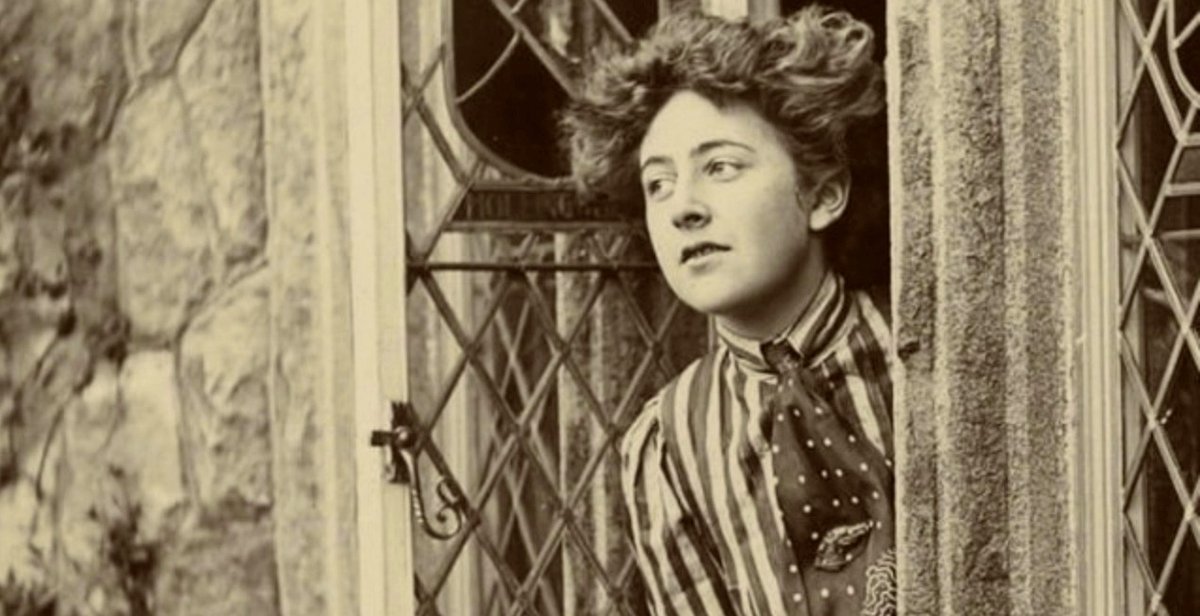
The breakthrough did not come from medical studies; it came from a novel. While taking care of the little girl, a nurse named Marsha Maitland was reading Christie’s 1961 mystery, The Pale Horse. In the story, characters are affected by a strange illness with hair loss as a key symptom, which is a sign of thallium poisoning. This detail caught Maitland’s attention. She looked at the girl and saw the same symptom, prompting her to consider if the fiction mirrored reality.
The next day, Maitland shared her idea with the attending physician, Dr. Victor Dubowitz, who taught pediatrics at the Royal Postgraduate Medical School. He later mentioned that the staff was open to any suggestion due to their desperate situation, according to The Washington Post. Since thallium poisoning was very rare in Britain at that time, the hospital did not have the necessary equipment to test for it. Seeking answers, Dubowitz reached out to Scotland Yard to find a lab capable of conducting a toxicity test.
In an unusual turn of events, Scotland Yard connected the medical team with a thallium expert who was incarcerated at Wormwood Scrubs Prison. This expert had detailed notes on the effects of the chemical. When the toxicology results arrived, they showed that the young girl had ten times the lethal amount of thallium in her body. Investigators later found out that the toxin had been used as a pesticide to eliminate cockroaches and rodents in her family’s home in Qatar. Once the source of the illness was identified, doctors quickly began the appropriate treatment. Within three weeks, the child showed significant improvement, and four months later, she was able to go home with her parents.
Christie’s remarkable ability to describe poison accurately came from her own experiences. Historian Lucy Worsley, who wrote a biography about Christie, stated that her journey into detective writing became clearer during World War I. At that time, she transitioned from working in hospital wards to a dispensary, where she mixed precise medicine by hand. This experience gave Christie a deep understanding of harmful substances, knowledge that later inspired a nurse and ultimately saved a young girl’s life.
What are your thoughts on this unusual connection between literature and medicine?
Sources:
Source: Upworthy, by Adam Albright-Hanna