In a quiet neighborhood in Tehran, the air buzzed with purpose and hope. People walked by the bright blue building of an Iranian pharmaceutical company known for its groundbreaking work in cancer medication. Inside, scientists and researchers poured their hearts into developing treatments that could save lives. They believed in their mission to help those suffering from cancer, a disease that has touched many families. But one day, everything changed.
The sun had just started to rise on that fateful morning when a deafening explosion shattered the stillness. The sound echoed through the streets as thick clouds of smoke rose into the sky. The pharmaceutical company, a beacon of hope for cancer patients, was struck in a surprise attack by the forces of the United States and Israel. In an instant, dreams and aspirations turned into rubble.
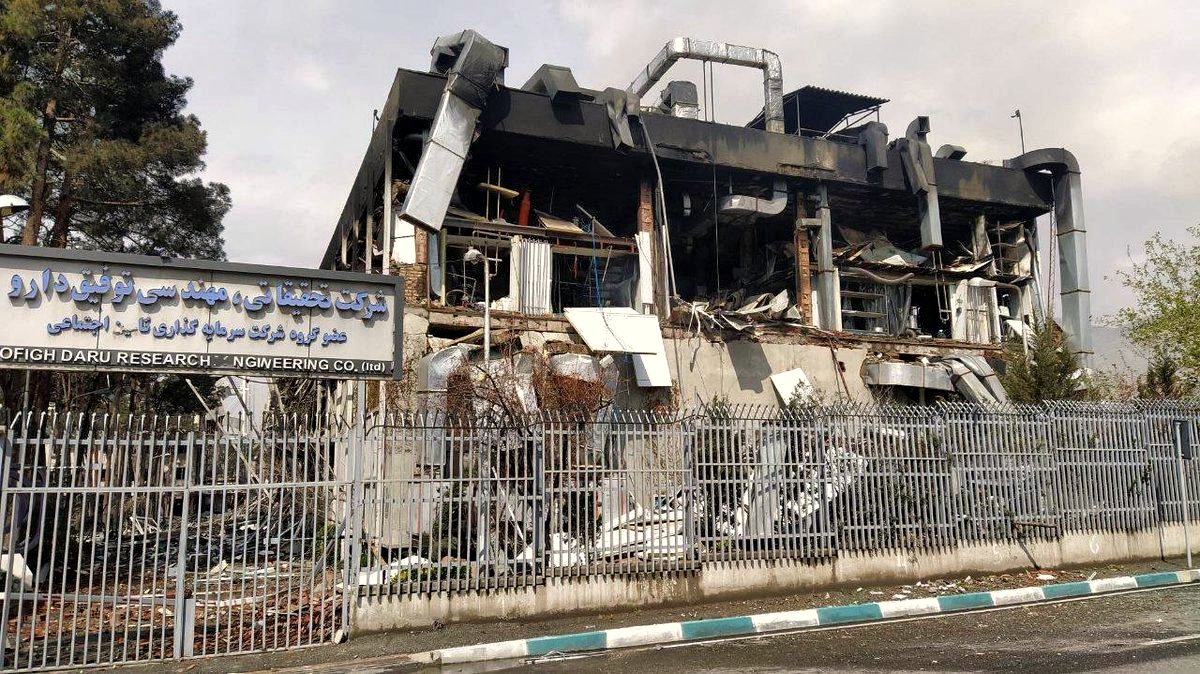
The company had been a symbol of resilience. Many of its workers were cancer survivors themselves or had lost loved ones to the disease. They understood, more than anyone, the urgency of their work. They spent long hours in the lab, driven by the stories they heard from patients who fought bravely against their illness. Each breakthrough felt like a personal victory, but now, with their building torn apart, their hopes lay in ruins.
Among the team was Dr. Leila Ahmadi, a passionate researcher who spent years developing a new treatment that showed promise in fighting leukemia. She had dedicated her life to this cause after losing her younger brother to cancer. As soon as the explosion occurred, Leila rushed to the site, her heart racing. The familiar faces of her colleagues were nowhere to be found. Instead, there was chaos—a mix of fear, confusion, and heartbreak.
Leila’s eyes filled with tears as she surveyed the damage. The building, once alive with laughter and determination, now looked like a graveyard of dreams. She recalled the late nights spent working on her research, the laughter shared with her colleagues over coffee breaks, and the hopes they all held for a brighter future. Now all of that seemed shattered.
News of the strike spread quickly, and soon, people from all corners of the world expressed their shock and sorrow. Many shared their own experiences with cancer, the battles they fought, and the treatments they depended on. It was a moment that united people beyond borders. Everyone understood the importance of medical research and the lives that hung in the balance.
Days passed, and Leila, along with her devastated team, gathered in a makeshift meeting place. They shared their grief, but also their determination. “We can’t let this stop us,” Leila said, her voice trembling but strong. “We owe it to the patients who need us. They are counting on us.” Her words ignited a flicker of hope in their hearts. They began to plan how they could rebuild, not just their lab, but their mission to find cures that could change lives.
In the aftermath of the attack, support poured in from the community. People brought food, offered shelter, and donated money to help the researchers get back on their feet. They shared stories of how cancer had impacted their lives, reminding everyone why this work was so important. It became clear that the fight against cancer was not just a job for these researchers; it was a shared battle that everyone understood deeply.
Finally, after many weeks of hard work and determination, the team found a temporary space to continue their research. They set up their equipment and began brainstorming new projects, fueled by the stories of hope and survival that surrounded them. Each day was a small victory—a reminder that resilience can rise from the ashes of despair.
As Leila looked around the room filled with her colleagues, she felt a renewed sense of purpose. They were not just a group of scientists; they were warriors in the fight against cancer. Although they had faced immense loss, they were united by a powerful goal—to bring hope back to those who needed it most.
This story of destruction and resilience resonates with so many because it highlights the fragility of life and the strength of the human spirit. In times of crisis, we often find our greatest strength. Through community support and shared determination, healing can begin, even from the deepest wounds.
As we reflect on this heartbreaking moment, we must ask ourselves: What can we do to support those who are fighting for a better future, not just in medicine but in every corner of life? How can we stand together to ensure hope never fades?