In the world of technology, even the smallest actions can create huge waves. Ten years ago, a simple decision by a developer named Azer Koçulu caused a massive stir across the tech industry. It’s a story that begins with a tiny piece of code—just eleven lines long—that changed everything for many hardworking programmers.
Imagine waking up one day to find your favorite toy missing. You look everywhere for it, but it’s gone! That’s what it felt like for many developers when Koçulu deleted his JavaScript package, called “left-pad,” from a platform called npm. This package was so small but so important that it was used in many big projects like Babel and React. When it disappeared, developers couldn’t build or install their programs. It was like pulling the thread from a sweater—everything started to unravel.
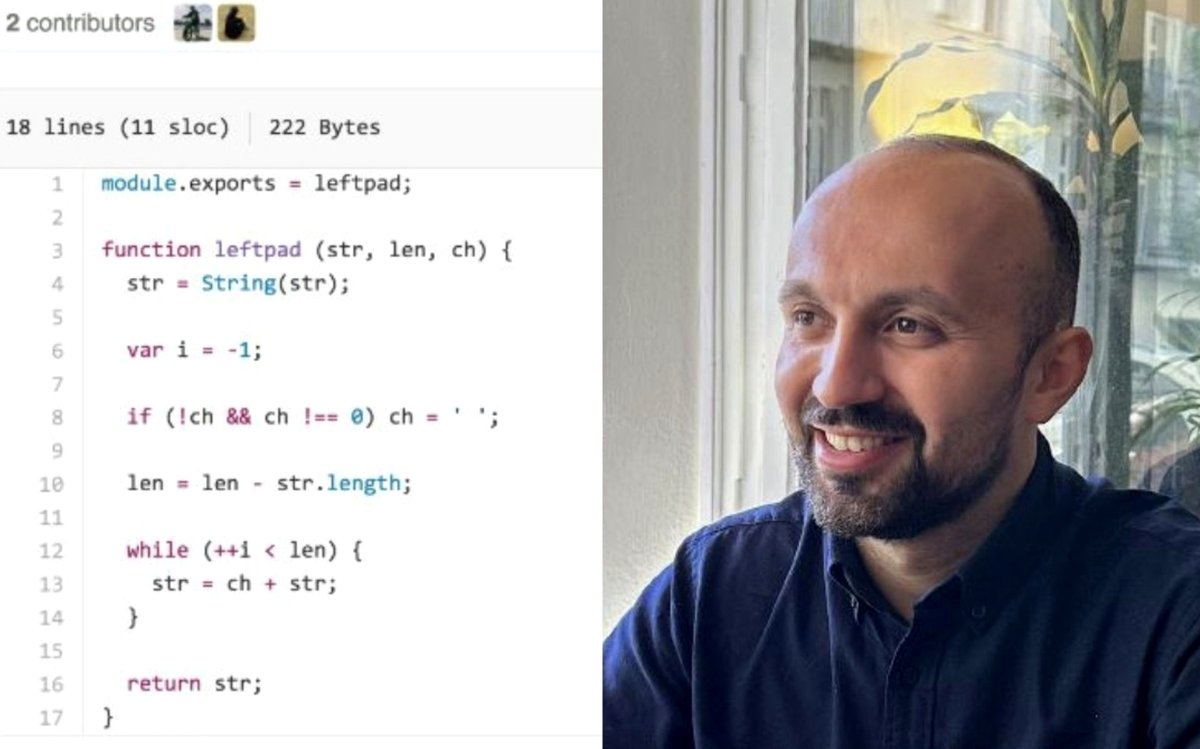
To understand why this happened, we need to go back a bit. The “left-pad” package was created because programmers needed a way to add spaces to the left side of strings, which are groups of letters and numbers in programming. It was a simple job, but it helped make other projects run smoothly. Many tech companies relied on it without even thinking twice. It was one of those behind-the-scenes heroes that kept the digital world going.
Azer Koçulu, the man behind this tiny piece of code, had a different vision. He wanted to take control of his work. You see, when he published “left-pad,” he never expected it to become so essential. But as time passed, he realized he was being pulled into a world he didn’t want to be part of. So on that fateful day in 2016, he decided to take it down. It was a brave move, but it sparked chaos in an industry that relied on it.
Picture countless developers sitting at their computers, excited about the projects they had been working on. Suddenly, they encountered errors and roadblocks as they tried to run their code. Confusion filled the air. Emails flew back and forth among teams as they scrambled to find out what had happened. It was like a concert suddenly stopping mid-song; the rhythm was broken, and everyone was left hanging.
As the commotion grew, it became more and more clear just how much impact one person’s decision could have. Companies that had invested countless hours and resources into their projects found themselves unable to move forward. Some faced delays, while others struggled to find a quick fix. It was a learning moment for everyone involved. This was a reminder of how interconnected we all are, especially in the tech community.
The emotional peak of this story lies not just in the chaos but in the response it ignited. Developers around the globe rallied together, sharing their frustrations and finding solutions. They turned to each other for help, their camaraderie shining through. This moment showed the incredible spirit of the tech community—a bond created by shared experiences, challenges, and triumphs.
Soon after the dust settled, the tech world learned a valuable lesson about dependency and trust. Developers began to think carefully about how they used small pieces of code in their projects. They started to realize that it’s not just about getting the job done; it’s also about understanding the tools we use and the people behind them. Every piece of code has a story, and every developer has a purpose.
In the end, Azer Koçulu’s decision to delete “left-pad” sparked important conversations about code ownership, responsibility, and the impact our creations can have on others. It pushed the tech community to be more mindful and prepared for unexpected changes.
This story resonates deeply with so many because it reminds us of the importance of every little thing we do—how one action can affect many people. It shows the strength of community when faced with challenges and how we can come together to solve problems, big or small.
As we reflect on this moment, we are left with a thought-provoking question: In a world where we are all so connected, how can we take better care of the tools and resources we rely on every day?
Source: Originally shared by u/NewsCards on r/interestingasfuck. This story has been retold and expanded for editorial purposes.