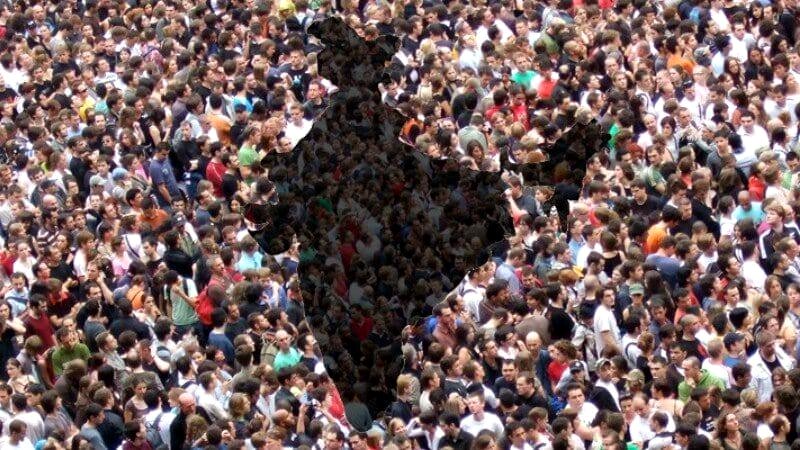
On a bright Wednesday morning, millions of eager faces looked out from homes scattered across India. This day was not just any ordinary day; it marked the beginning of the largest census in human history. Over a billion people were about to answer 33 questions, and more than three million officials were ready to help. Each question would tell a story, and every answer would paint a picture of life across 640,000 villages in this vibrant country.
Imagine the excitement and nervousness swirling in the air as families prepared for these crucial moments. In homes, people gathered around tables, discussing what to expect. Parents shared stories about how their own parents had participated in previous censuses, passing down the importance of this event through generations. They knew this was more than just numbers on a page; it was a chance for their voices to be heard.
In the small village of Khatkar, a young girl named Aanya felt a mix of curiosity and pride. She had heard about the census from her teachers and was fascinated. Aanya’s family had lived in Khatkar for generations, and she knew that each question held the potential to shine a light on their daily lives. With her heart racing, she thought about how the answers they gave could help shape the future of her village.
As officials arrived in the village, their presence felt both official and friendly. Aanya watched as her neighbors stepped forward, eager yet anxious. Each family knew these officials carried the weight of responsibility. They were there to gather stories, experiences, and dreams from every corner of India. This was a moment to reflect on how far they had come and what lay ahead.
When it was finally Aanya’s turn, her heart fluttered. The official smiled warmly and asked the first question. Aanya took a deep breath and answered, her voice steady. The official jotted down her response, but what Aanya felt was far more than just a simple interaction; it was a connection. She realized that each answer contributed to something bigger than herself. Her thoughts swirled—these questions could lead to better schools, healthcare, and support for those in need.
As more families participated, the village buzzed with energy. Laughter and nervous chatter filled the air. Aanya’s mother shared how each household was unique, carrying their own dreams. The census was a way for the government to understand those dreams and plan for the future. It was about knowing how many teachers were needed, how many hospitals were necessary, and how many roads required repair.
However, not every family felt comfortable. Some were worried about privacy, afraid that sharing their information might lead to unwanted attention. Discussions ensued in homes, with families weighing the pros and cons. Aanya listened carefully, understanding that while some fears were valid, the opportunity to make their voices known was powerful.
Just as the day progressed, an emotional peak washed over the village. An elder, Baba Mohan, shared his experience of the last census decades ago. He was once a young boy, full of hopes and dreams. He spoke of the changes he had seen in his lifetime and how each census had brought about improvements in his community. His words resonated deeply with everyone; they felt the weight of history and the importance of their participation.
As the sun began to set, casting a golden glow over Khatkar, the officials wrapped up for the day. They had gathered countless stories, hopes, and dreams from the villagers, and each one was invaluable. Aanya felt a sense of pride swell in her chest. She had been a part of something monumental.
The census was not merely a collection of data; it was about connection and understanding. It was about weaving all these individual lives into a rich tapestry that told the story of India. Aanya knew that she, along with her family and neighbors, had played a role in shaping their community’s future.
As the officials packed their bags and waved goodbye, Aanya stood at her doorstep, looking out over the village. She realized that every question answered was a step toward a brighter future. The census would help ensure that people like Baba Mohan, who had given so much to the community, would receive the support they deserved.
This moment touched many hearts, not just in Khatkar but across the nation. It reminded everyone that even in the busiest of lives, they had the power to influence change. As the sun dipped below the horizon, Aanya and her family reflected on their day, thankful and hopeful about what lay ahead.
What do you think about the importance of sharing our stories? How can our voices shape the future?
Source: Originally shared by u/Expert_Koala_8691 on r/interestingasfuck. This story has been retold and expanded for editorial purposes.