YALA, Sri Lanka – In July 2016, on a quiet morning, six wildlife officers stood in a scrubby area near a small pond in southern Sri Lanka. They had learned that poachers were using poison in the water to kill animals for meat. Nearby, a dead deer lay next to the contaminated pond as the officers waited for the poachers to come back. When two men approached the dead deer, the officers moved in to apprehend them. One of the suspects managed to flee, while a wildlife ranger caught the other man as he attempted to escape. During the struggle, the ranger’s rifle accidentally fired, injuring him fatally in the stomach. He was taken to the hospital but was pronounced dead. This event occurred in the Sinukkugala jungles, about 16 kilometers (10 miles) away from Hambantota, in the southern part of the country. It highlighted the dangerous consequences of a seemingly simple act: adding poison to a water source. The poachers were not only killing a single animal; they were turning water—which is essential in Sri Lanka’s dry landscape—into a deadly trap.
Almost ten years later, wildlife officials still warn about this harmful practice, as incidents of poisoning continue. In July of this year, for example, wildlife officers discovered 17 dead deer next to an empty agrochemical bag, which might have been used to poison them. Tragically, one pregnant doe died after she drank from the poisoned water, and this also caused the death of her unborn fawn.
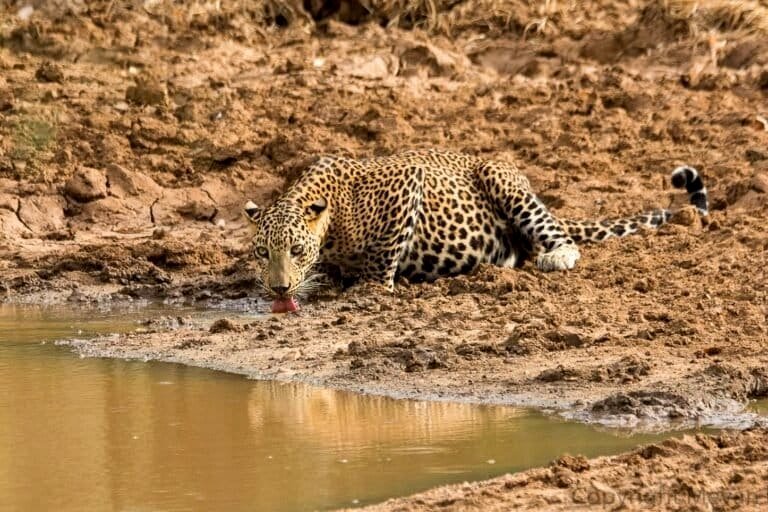
During times of drought, animals tend to gather more closely around available water sources. This makes them more vulnerable to poachers who use poison to kill them. The ongoing droughts in Sri Lanka have led to a significant decrease in accessible water holes. As the water holes shrink, wildlife faces greater danger. The decrease in water availability not only impacts the animals but also raises concerns for the overall ecosystem.
Wildlife officials have been working hard to combat this issue, but the problem persists. They stress the importance of protecting water sources and the creatures that depend on them. Efforts to monitor and secure these areas are crucial. Without these efforts, the poisoning tactics used by poachers could continue to harm wildlife populations.
In addition to the immediate effects on wildlife, there are long-term consequences for the ecosystem. Poisoning water sources can disrupt the entire food chain, affecting not just the targeted animals but also those that rely on them for food. This creates a ripple effect that can change the balance of the environment.
The challenge of protecting wildlife in Sri Lanka is complex. With increasing human activity, including agriculture and urbanization, habitats are being encroached upon. Animals are losing their natural spaces, forcing them into closer contact with humans. This situation increases their vulnerability to poaching and poisoning.
Organizations dedicated to wildlife conservation are continually looking for solutions. They aim to raise awareness about the dangers of wildlife poisoning and promote better practices among local communities. Education about the importance of biodiversity and the role of every species in the ecosystem is vital for changing attitudes towards wildlife.
The Sri Lankan government has also put measures in place to protect wildlife. This includes establishing protected areas and national parks where animals can thrive without the threat of poaching. However, the enforcement of these regulations remains a challenge, as illegal activities still occur within and around these protected spaces.
Efforts to combat wildlife poisoning require teamwork from various sectors, including the government, NGOs, and local communities. By working together, they can create a safer environment for wildlife. Increased surveillance in sensitive areas and community engagement can help deter poachers.
The sad reality is that as long as there is a demand for wild meat, poaching will likely continue. Wildlife officials and conservationists are aware of the difficult road ahead. They are determined to find a balance between protecting wildlife and addressing the needs of local communities.
The health of the ecosystems in Sri Lanka largely depends on maintaining clean and safe water sources. Preserving these areas not only benefits wildlife but also supports the communities that rely on them for water and resources. Protecting water holes is essential for the overall health of the environment.
Despite the ongoing threats, there is hope. Increased awareness and action against wildlife poisoning can lead to a brighter future for Sri Lanka’s wildlife. Continued education and advocacy are needed to change the narrative and reduce poaching incidents.
As the issue of wildlife poisoning continues, it raises questions about how to best protect these vital resources. What other strategies could be implemented to ensure the safety of both wildlife and water sources? Community input and engagement could play a significant role in shaping effective solutions.
Sources:
Source: Mongabay Animals