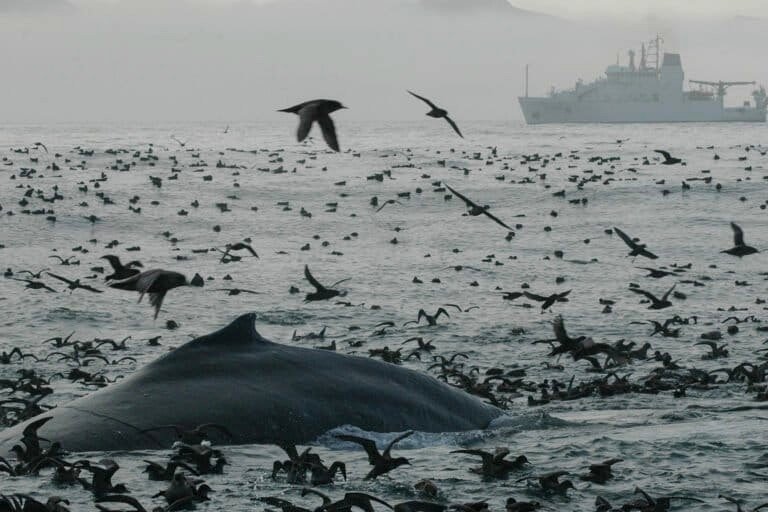
From 2014 to 2015, an ocean event called “The Blob” caused temperatures in the Pacific Ocean to rise significantly. This area was larger than both the United States and Mexico combined. The heatwave led to harmful algae growth, devastated fish populations, and killed many seabirds. It also resulted in the discovery of dead fin whales and sea otters along the coasts of Alaska and British Columbia, while California’s beaches were filled with hungry sea lions. While this event is mainly recognized as a marine heatwave, it also contributed to severe acidification in the ocean. However, the combination of high heat and acidification during these events is not well understood.
A recent study released in August in the journal AGU Advances examines these occurrences over the past 40 years, shedding light on how often and how intensely they happen. The findings suggest that this combination of heat and acidity could be significant for the upcoming “super” El Niño in 2026-2027, a time when warmer waters in the equatorial Pacific are caused by shifts in wind patterns. Researchers from the Swiss Federal Institute of Technology (ETH Zurich) discovered that these compound events occur together more often than randomness would suggest. They connected this unusual pairing to the physical properties of the ocean, which can lead to heightened acidity during marine heatwaves in specific areas. Most of these events are brief and relatively small, with 67% of the 500 events identified lasting less than three months.
This article was originally published on Mongabay. What do you think about the impact of ocean heatwaves on marine life?
Sources:
Source: Mongabay Animals, by Autumn Spanne