It is 3 a.m., and I find myself on the deck of a research ship, looking at water so dark it seems solid. This moment reminds me of when I stood at the edge of the Grand Canyon, watching the sunset. There are certain places on Earth that deserve our respect and protection, and the Orca Basin is one of them. For several years, I have been involved in research in the deep Gulf of Mexico. I have lowered instruments into the deep water, collected sediment cores that give off a sulfur smell, and viewed footage from remotely operated vehicles (ROVs) capturing parts of the seafloor that most people will never see or know about.
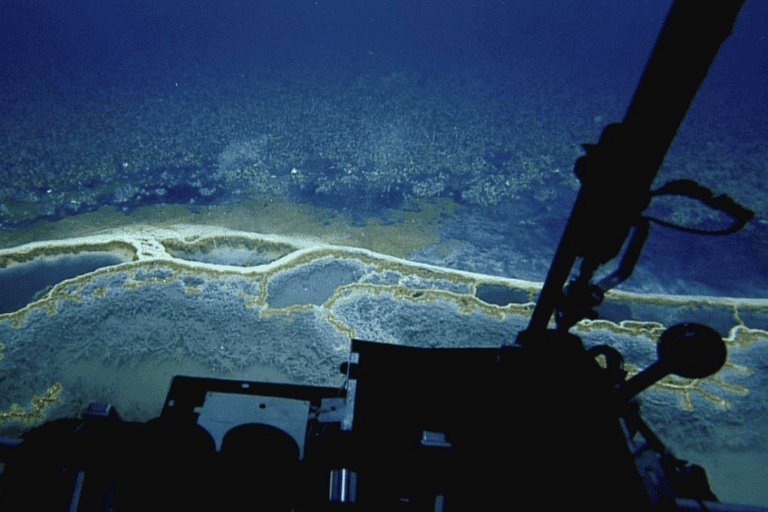
Located about 168 miles (270 kilometers) offshore from Louisiana, the Orca Basin lies beneath over a mile (2.2 km) of water. It is one of the planet’s most remarkable areas. This basin is like a lake on the ocean floor, with water that is extremely salty and dense enough to resist mixing with the water above it. This unique feature has formed a large depression on the Gulf’s seabed for thousands of years. Covering about 154 square miles (nearly 400 km²), the salinity of the Orca Basin is nearly ten times greater than that of regular seawater. Lacking oxygen, no multicellular creatures can survive below its eerie boundary, where normal ocean water transforms into something ancient and unusual. When ROV cameras descend into the Orca Basin’s salty depths, the surface shimmers like heat waves rising from hot pavement—a mirage found a mile underwater.
This article was originally published on Mongabay. What are your thoughts on the Orca Basin and its importance?
Sources:
Source: Mongabay Animals, by Mongabay Animals