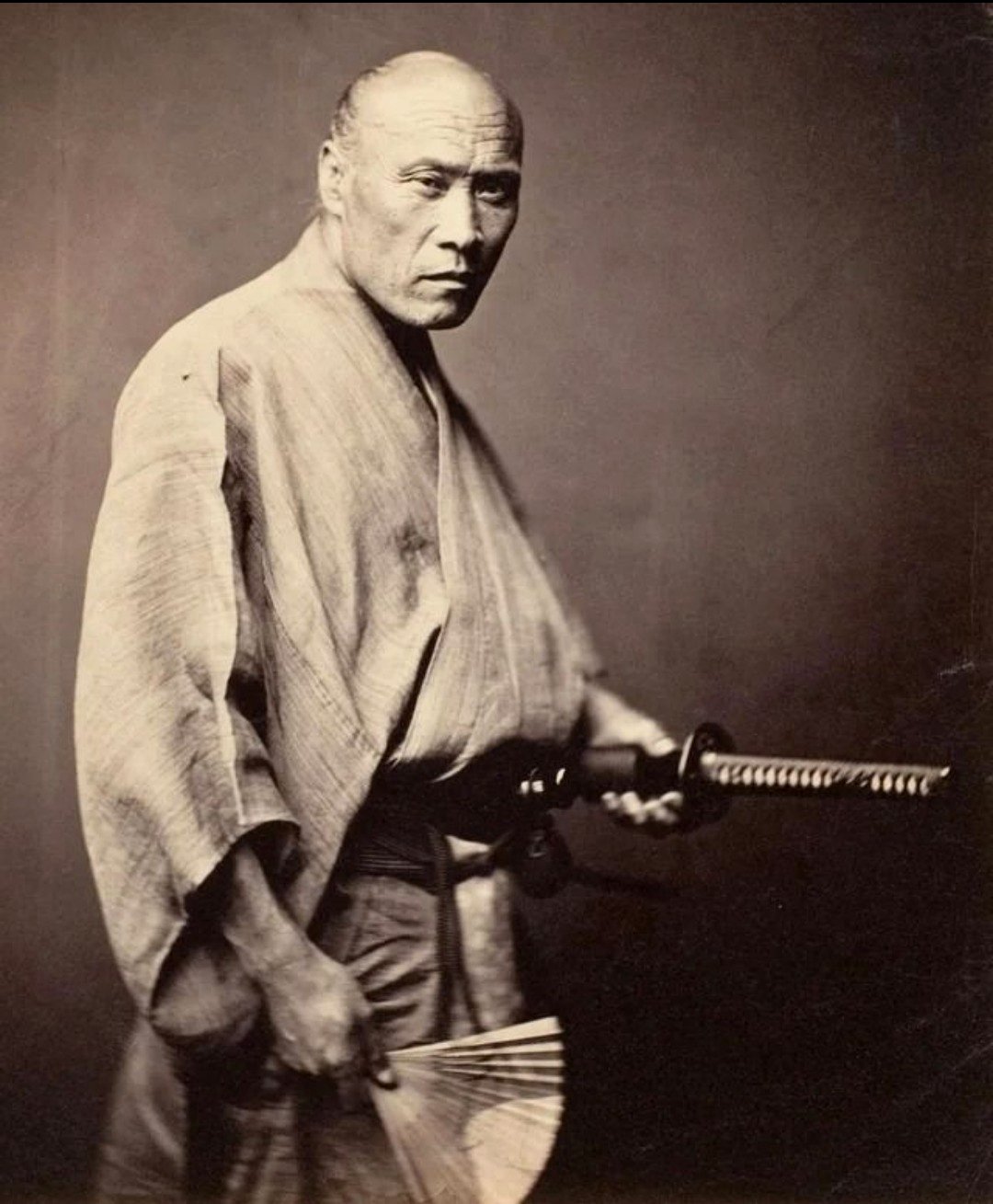
In a world filled with countless tales of bravery and honor, the image of a samurai stands out, evoking a rich tapestry of history. This photo, taken in Japan during the Edo period in 1865, captures the essence of a time long gone but still alive in stories and legends. Behind this stunning image is a name that many may not know: Felice Beato, the first travel photographer. His work allowed people to see a world far from their own and understand cultures in ways they never thought possible.
Imagine walking the streets of Japan in the 1800s, where the air is filled with the scent of cherry blossoms and the sound of wooden sandals tapping rhythmically against the cobblestones. It’s a time when tradition and honor were the cornerstones of society. Samurai warriors, known for their skill and integrity, roamed the land, each with their own unique story. They lived by a strict code called Bushido, which taught them to be brave, honest, and loyal.
As Felice Beato wandered through this breathtaking land, he didn’t just take pictures; he captured feelings, stories, and moments in time. His lens focused on the samurai, a figure who represented much more than just a warrior. They were protectors, artists, and scholars. Each samurai had a life full of challenges and triumphs.
In the photograph, we can see a samurai standing tall, his armor glinting in the sunlight. His expression is serious yet calm, and it tells a tale of discipline and strength. But who was he? What dreams did he have? Perhaps he was a young man eager to protect his village, or maybe he was a seasoned warrior reflecting on his past battles. The samurai looked so powerful and yet so human. This image connects us to his world, making us wonder about his journey.
The Edo period, lasting from 1603 to 1868, was a time of peace and stability in Japan. Many people flourished, and culture blossomed. Artists created beautiful paintings, poets wrote moving verses, and the samurai engaged in deep philosophical discussions. But even in times of peace, there were struggles. The samurai had to find their place in a society that was changing. They were warriors in a world that now sought harmony over conflict.
Felice Beato’s photo serves as a window into this complex world, reminding us that history is not just about dates and events; it’s about the lives of individuals. It’s about the moments that define who we are. The samurai in that picture isn’t just a soldier; he’s a piece of a larger story, one that resonates with many of us today.
As viewers, we can almost feel the dusty air of the past, hear the distant sounds of laughter and conversation, and see the vibrant colors of the world around him. We can imagine his family waiting for him to come home after a long day of training, or perhaps we picture him sharing stories with younger warriors, passing down the wisdom he has gained. This connection to a time and place brings a sense of nostalgia and wonder.
Then comes the emotional peak, as we think about what it means to be a samurai. They were not just fighters; they were mentors, leaders, and protectors of their beliefs. Their lives were filled with joy and sorrow, success and failure. When we look at this photograph, we begin to realize that we all have our own battles to fight, our own codes to live by.
As we transition towards resolution, we reflect on how this moment, frozen in time, still holds relevance today. The values of honor, courage, and loyalty are still cherished in our lives. We may not wear armor or carry swords, but each of us has our own challenges to face. This image serves as a reminder that with strength, we can overcome obstacles that appear in our paths.
In the end, this story isn’t just about a samurai or a photograph. It’s about the connection we all share as humans, no matter when or where we live. We all strive for purpose, understanding, and connection. Beato’s photo is a bridge between the past and present, reminding us of the beauty and depth of human experience.
So, as you look at this powerful image, consider this: What values do you hold dear in your own life, and how do they shape your journey? How can the lessons of the samurai inspire you today?
Source: Originally shared by u/hoosier_catholic on r/OldSchoolCool. This story has been retold and expanded for editorial purposes.
![[OC] Pussy Riot and FEMEN close the Russian Pavilion at the Venice Biennale](https://loophints.com/wp-content/uploads/2026/05/post_draft_article-416.jpg)