In the early 1970s, a remarkable woman named Tu Youyou was on a quest that would change the world. As she walked through the bustling streets of Beijing, her mind was filled with thoughts of how to fight a disease that was devastating lives. Malaria was a fierce enemy, taking the lives of millions in many countries. But Tu had a spark of hope, an idea that would come from the pages of an ancient Chinese medical text.
Tu had been studying the old recipes for years, searching for a remedy that could help combat malaria. One day, she stumbled upon an ancient recipe that had been forgotten over the centuries. She discovered that a specific herb could be used to create a cure. This herb had been mentioned in a medical book written 1,600 years ago, and it was called sweet wormwood. It was a treasure waiting to be unlocked, but Tu knew it was only the beginning of her journey.
Determined to bring this ancient wisdom to life, Tu faced many challenges. She had to figure out how to prepare the herb correctly. Most people believed that boiling it would be the best way, but Tu’s instincts told her otherwise. She had a strong feeling that the herb needed to be prepared in a special way, using cold water instead of boiling it. This intuition would lead her on a path to an incredible discovery.
Tu spent countless hours in the lab, testing different methods. She became obsessed with the idea that this herb could save lives. To prove her theory, she took a brave step that not many would dare to take—she tested the drug on herself. With each moment she waited for results, she felt a mix of fear and hope. What if it worked? What if it didn’t?
After many trials and errors, Tu finally achieved success. The cold-prepared extract of sweet wormwood showed amazing results. It was effective against malaria. This was a huge breakthrough, and Tu knew it could save lives. Her heart raced with excitement as she imagined the possibilities. What if millions of people could be saved from this deadly disease?
When Tu Youyou’s discovery was announced, it was a moment of celebration. Her research had led to the development of artemisinin, a powerful treatment that went on to save tens of millions of lives. People who had once been on the brink of death found hope again. Families were reunited, and communities flourished because of her hard work and dedication.
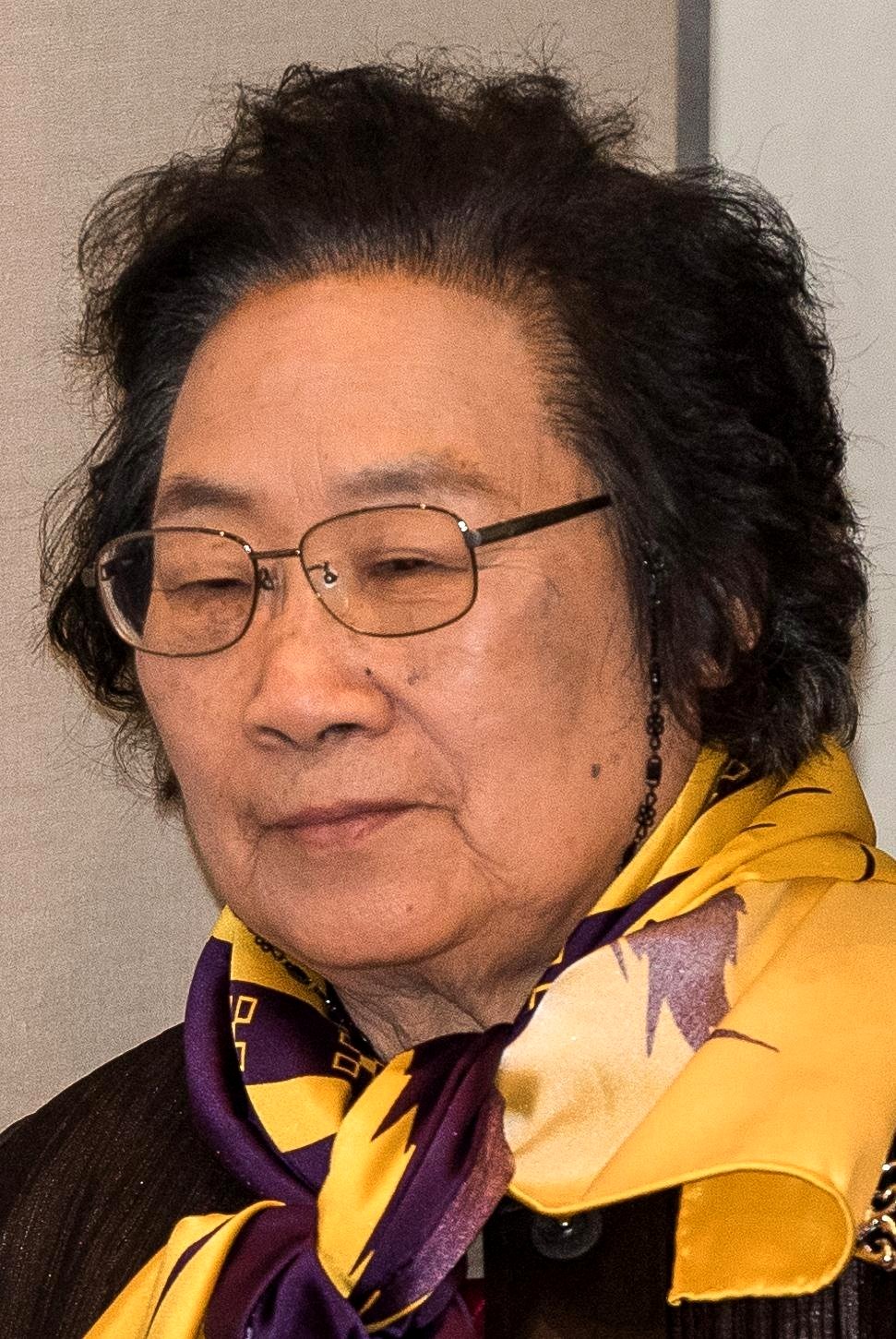
The world began to recognize Tu’s incredible contribution. She was awarded the Nobel Prize in Physiology or Medicine in 2015, a well-deserved honor for someone who had devoted her life to helping others. However, in her heart, Tu always believed that the true reward was seeing the lives she had touched. She was a small, gentle woman, but her courage and determination were larger than life.
This story resonates with so many people because it shows the power of perseverance and the importance of listening to one’s intuition. Tu Youyou is a shining example of how one person’s dedication and bravery can make a significant difference. In a world that often seems divided, her actions remind us of the incredible impact that compassion and knowledge can have.
As we reflect on her journey, we can’t help but think about the courage it takes to follow our dreams. What would you do if you were faced with a problem that felt impossible to solve? Would you have the strength to take risks and make sacrifices for the greater good?
Tu Youyou’s legacy is a heartfelt reminder that innovation can come from unexpected places and that history can guide us toward solutions that have long been overlooked. Her story inspires us to ask ourselves: How can we make a difference in our communities and in the world? What ancient wisdom or overlooked ideas could we rediscover to help others?
Source: Originally shared by u/Algrinder on r/interestingasfuck. This story has been retold and expanded for editorial purposes.