Purchasing a dream home is a goal for many people. It often brings images of family gatherings, peaceful mornings, and cherished moments in a place that feels like home. For Shivarna Mitra, this dream quickly turned into a nightmare. She had just begun to settle into her new residence when a neighbor’s decision altered her life significantly.
Shivarna Mitra spent years saving to buy a home she could truly call her own. She invested £217,000 ($286,555) in a three-bedroom semi-detached house in Leeds and spent an additional £80,000 ($105,648) on renovations. This house was meant to be a place for her family to create lasting memories. Initially, everything seemed promising. However, about a year and a half after moving in, significant changes began next door.
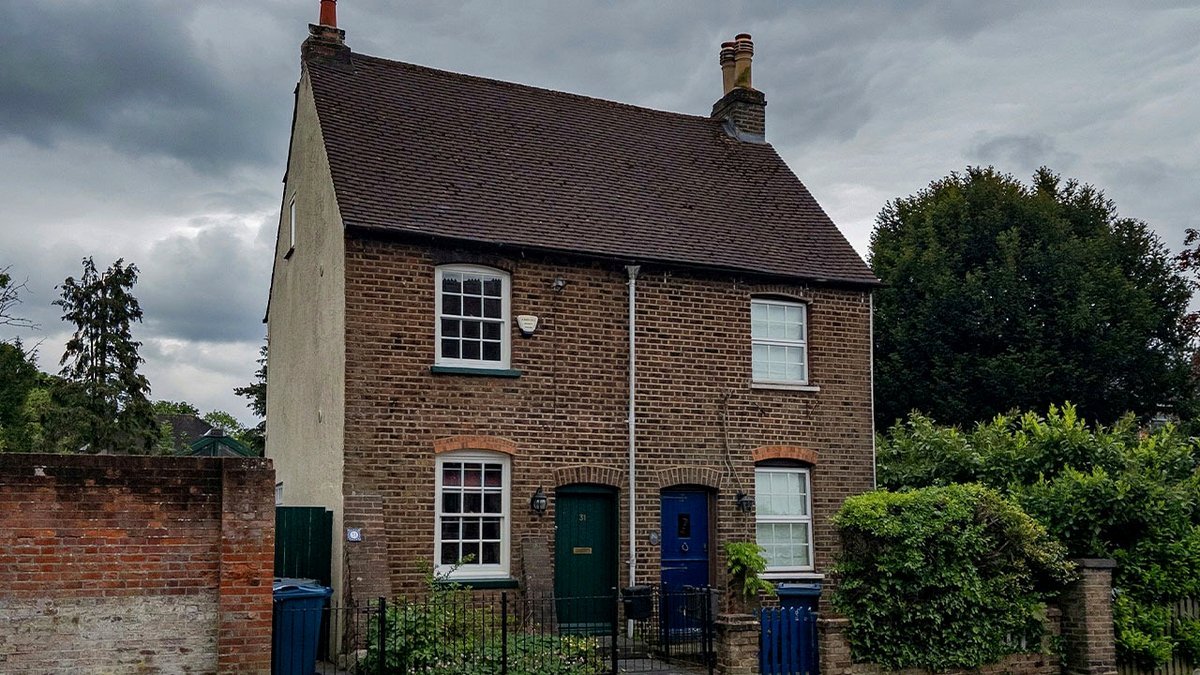
Her neighbor, Chris Rhodes, started demolishing his property, which led to an empty lot next to Shivarna’s home. This construction left her house vulnerable to the elements, causing gaps in the walls and roof. Rainwater soon began to seep inside, leading to increased heating costs that reached about £630 ($832) per month.
Compounding her struggles, Shivarna was also undergoing cancer treatment during this time. Instead of focusing on her health recovery after a major surgery, she found herself dealing with issues related to her home from a hospital bed. The situation grew increasingly stressful, impacting her well-being.
Problems continued to escalate in Shivarna’s property. Rodents entered the house and damaged the electrical system, while dampness and mold began to take hold. The water damage became so severe that parts of the interior needed to be replaced. Chris Rhodes claimed that his demolition work did not cause these issues, but Leeds City Council confirmed that the demolition had occurred without the required permissions. They later stated that an inspection showed Shivarna’s home was structurally sound.
Despite this assessment, Shivarna expressed that her once-cherished home had turned into a source of ongoing stress and financial burden.
Demolition work is not a simple task. Leeds City Council requires that most demolition projects are reported through a Section 80 notice at least six weeks before work commences. This allows Building Control to assess the site and set conditions to safeguard the public and nearby properties. This requirement is especially critical when demolishing a structure that shares a wall with another home.
The council advises that additional notification may be necessary when work affects a shared wall or involves digging near a neighbor’s foundations. The Party Wall Act 1996 allows adjacent property owners to be informed and have a say regarding any work that might influence their property.
Before starting any demolition, a qualified person must evaluate the structure to prevent risks to nearby buildings. This includes checking if temporary supports are needed to maintain the stability of adjacent homes. Keeping a record of the property before demolition can also be beneficial if any damage occurs. RICS guidance suggests making a schedule of conditions before starting any such work.
What do you think about the challenges homeowners face during neighboring demolitions?
Sources:
Source: Bored Panda, by Rūta Zumbrickaitė