Halloween often brings out people’s quirkiest thoughts and funniest remarks, leading to some surprising moments. With unique costumes, heaps of candy, and children ringing doorbells, there are many jokes that resonate with everyday life. While some individuals aim for a flawless Halloween, others share its amusing aspects on social media. From parenting blunders to whimsical Halloween ideas, these tweets capture the amusing side of the spooky season that isn’t always highlighted in typical holiday photos.
Many find inspiration in Halloween for comedic posts, whether it’s kids taking candy seriously or adults investing time in costumes for just one evening. These relatable situations often become humorous because many recognize themselves in these scenarios. Relatable humor tends to be effective online; if people can relate to a meme, they are more inclined to find it funny and share it. Sometimes, merely expressing a common Halloween experience in words allows others to connect with the joke.
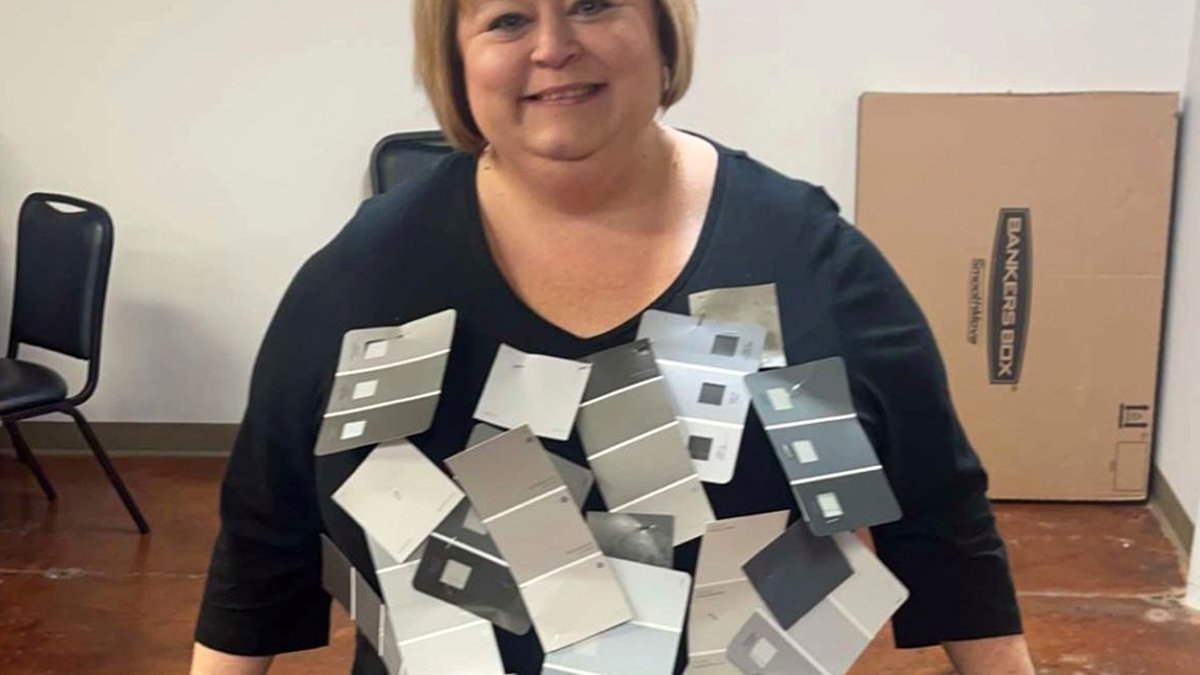
For children, Halloween is more than receiving candy. When they don costumes, visit neighbors, and participate in fun activities, they get to break away from their daily routines and explore a world governed by different rules. Even pretending to be a scary creature can boost a child’s confidence. Halloween also encourages kids to be more active than usual; instead of solely following adults, they lead the way, decide which houses to visit, and have greater autonomy. This blend of independence, imagination, and candy makes trick-or-treating special for youngsters.
For many parents, Halloween is about more than simply handing out candy. They often need to arrange costumes, carve pumpkins, decorate their homes, and escort excited children from door to door. While kids savor the treats, adults typically handle much of the planning. Parents usually embrace the celebrations too. In a 2025 survey, a significant 83% of parents with children under 18 indicated they intended to celebrate Halloween, compared to only 62% of adults without kids. Many adults take pleasure in the holiday just like their children do, whether they are decorating or accompanying kids while trick-or-treating.
Halloween provides a unique opportunity for individuals to reveal sides of themselves that they usually keep hidden. Someone who typically dresses modestly might choose to dress as a vampire, while another person might don a silly costume just to amuse their friends. For one night, embracing eccentricity can add to the enjoyment. Wearing a costume can also influence how people perceive themselves and how they interact with others. Rather than adhering to their usual persona, they can explore a new identity, act more confidently, or enjoy attention that they might typically shy away from. Halloween allows individuals to step outside their usual roles without anyone judging them.
Imagine this: once every year, children roam the neighborhood asking for candy, while adults adorn their homes with fake webs and pretend to enjoy being frightened. These customs may seem odd elsewhere, but every October, countless people participate in them. These traditions actually originate from various cultures. According to the Library of Congress, trick-or-treating may have roots in the Scottish practice of guising, where individuals would dress up and visit homes to perform for food or money. The way candy is collected today has a long-standing background.
When reflecting on it, Halloween traditions can appear amusing. People purchase fake cobwebs, dress as monsters, and embrace the playful spirit of the holiday. What do you think about these Halloween customs?
Sources:
Source: Bored Panda, by Ilona Baliūnaitė