Vincent van Gogh’s painting Starry Night has fascinated people for more than a century. The artwork features deep blues and bright yellow stars, allowing viewers to feel the emotion in every brushstroke. It is one of the most talked-about paintings in history, attracting millions to the Museum of Modern Art in New York City to see it in person. Art historians previously thought the scene was created from Van Gogh’s intense emotions and not based on reality. Given his struggles with mental health, the swirling patterns were often viewed as reflections of his inner turmoil. However, recent scientific studies have started to uncover new insights about the painting.
A team of researchers from South Korea has proposed a surprising idea that could change how we view Starry Night. They suggest that the night sky depicted in the painting might actually represent the beginning of a new day. For many years, experts believed the painting was completed in mid-June 1889 while Van Gogh was at an asylum in Saint-Rémy-de-Provence. During that time, he wrote letters indicating he was busy working in his studio, which supported the mid-June date. However, the recent research challenges that idea.
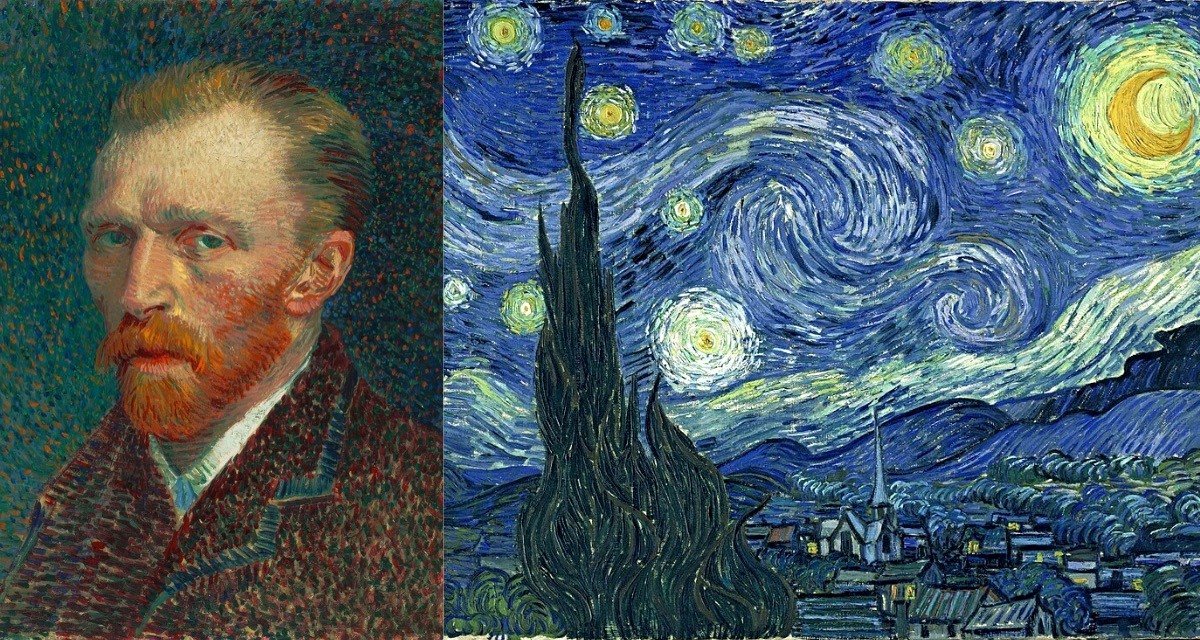
The researchers published their findings in Scientific Reports, where they examined old meteorological and astronomical data. They studied star charts and weather records from France in the late 19th century, looking for details that matched the painting. They also reviewed Van Gogh’s letters to his brother Theo, who he often wrote to about his life, art, and surroundings. In one important letter, Van Gogh mentioned the loud singing of cicadas in the warm morning air, noting their buzzing filled the countryside. This detail turned out to be a significant clue.
Cicadas sing only during specific times of the year, depending on warm weather and seasonal changes. In Southern France, they typically emerge and sing during peak summer temperatures. Mid-June was too early for cicadas to be active in that area. By combining this information about the cicadas with detailed celestial alignments, the research team made an important discovery. They mapped the positions of the moon, stars, and planets above the asylum and found that it did not match June. Instead, their findings pointed to a dawn sky from July 22, 1889.
This revelation changes our understanding of Van Gogh’s famed artwork. It suggests the painting is not simply a dreamlike night scene, but rather a real depiction of an early summer morning with cicadas buzzing. The research indicates that Van Gogh captured the transition from night to day, portraying stars shining brightly against the morning blue. He transformed this moment in the sky into a timeless piece of art.
What do you think about this new perspective on Starry Night?
Sources:
Source: Upworthy, by Patrick Hamilton