The past is often more fascinating and strange than many people realize. It is far more complex and engaging than what is typically taught in school. Continuous learning is important, and there are always new things to discover. This article highlights interesting facts and images from the ‘Magnificent History’ Instagram account, showcasing that history is more than just old books and boring dates.
One example is a remarkable vintage photo of large 3D Mayan structures from Central America, captured by Alfred P. Maudslay. Another photo shows Bran Castle, known as Dracula’s Castle, taken in Romania during the 1920s. Additionally, there is a photo of snow glasses used by Arctic communities like the Inuit and Yupik to avoid snow blindness. These glasses are traditionally crafted from materials such as wood, bone, walrus tusk, reindeer horn, and sometimes coastal plants.
It’s important to understand that repeating something does not make it true, though it may influence public perception. There is a difference between objective truth and personal interpretation, and finding objective truth can be challenging. According to ‘History Skills’, it is uncommon for sources to be entirely reliable, so it is best to consider varying degrees of reliability.
Another striking image from history shows a mosaic of the Roman Empire from two thousand years ago, found in modern-day Turkey. There are also unique buildings in Sintra, Portugal, featured in this collection. One intriguing photo from the 1950s, taken by M. Peterka, shows oversized books at the Archives of Prague Castle in the Czech Republic.
‘History Skills’ notes that sources tend to be less reliable if the creator did not witness the event, lacks a knowledgeable background, or hasn’t been verified by a well-informed audience. It is essential to consider the possible biases and agendas of those who create historical sources.
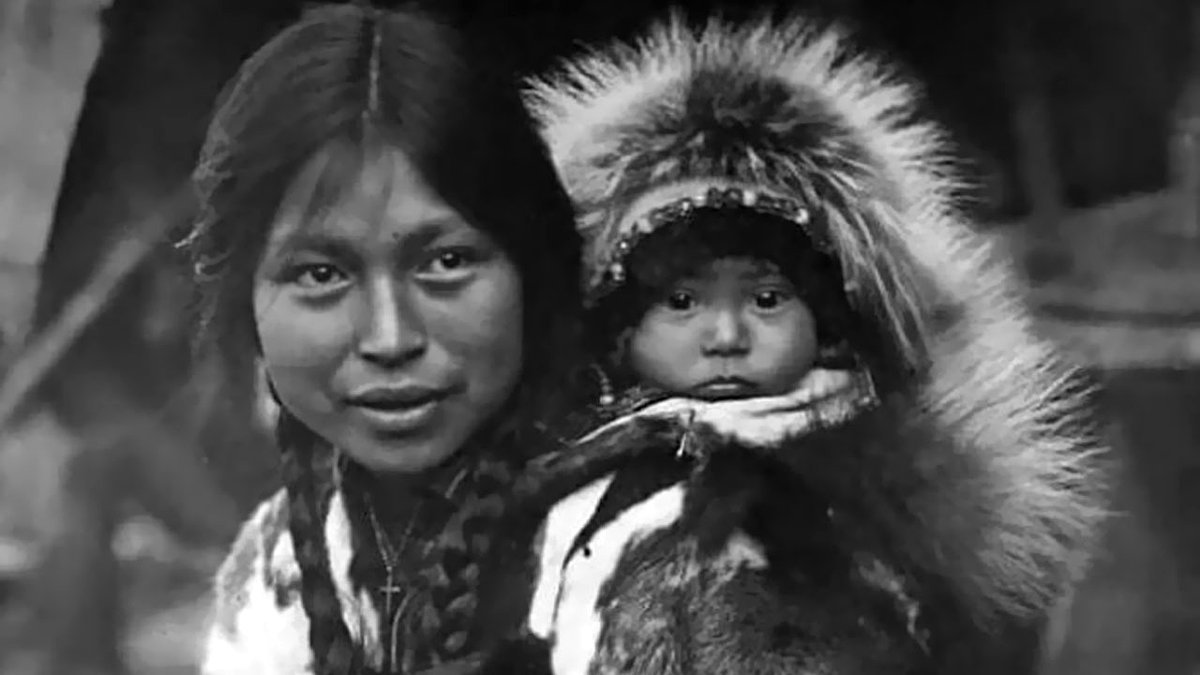
The Inuit people are well-known for their distinctive parkas made from the hides and furs of local animals. Many early European explorers struggled in Arctic conditions because they wore wool clothing, which caused them to overheat and sweat, leading to freezing in the cold. In contrast, the Inuit used caribou and seal hides for their parkas as far back as 22,000 BC in Siberia. The process of making these parkas could take weeks, and skills were traditionally passed down through generations. The designs varied by region and were often decorated with beadwork and pendants. Roald Amundsen was the first explorer to equip his team with Inuit clothing, which helped him successfully navigate the North-West Passage in 1906. Although the use of traditional Inuit clothing declined in the 20th century, there has been a recent revival as efforts to preserve Inuit culture continue.
One of the ancient wonders highlighted is the Chand Baori stepwell in India. This impressive structure goes over 30 meters underground and features 3,500 steps arranged in a beautiful pyramid shape.
What historical fact or photo surprised you the most?
Sources:
Source: Bored Panda, by Jonas Žvilius