Interior design can showcase a person’s unique style. The furniture choices, room layouts, and even small details can completely change the feel of a home. Usually, these elements come together to create a space that feels cohesive. However, sometimes a particular design choice stands out, whether it’s an unusual room design, a bold feature, or a décor item that prompts more questions than compliments. These are the interiors that catch your eye. Here are some of the most unique and questionable design choices people have shared from their homes. Some are surprisingly creative, others are quite odd, and all are hard to overlook.
A home can say a lot about the person living there, even if that wasn’t their intention. According to Psychology Today, a home acts like a psychological identity kit. The décor, furniture, artwork, books, and room setups all contribute to how someone presents themselves. Personal items can reflect hobbies, experiences, priorities, or aspirations. For example, travel souvenirs, an unusual piece of furniture, or a room dedicated to a specific interest can serve as more than just decoration; they can tell a story about someone’s life.
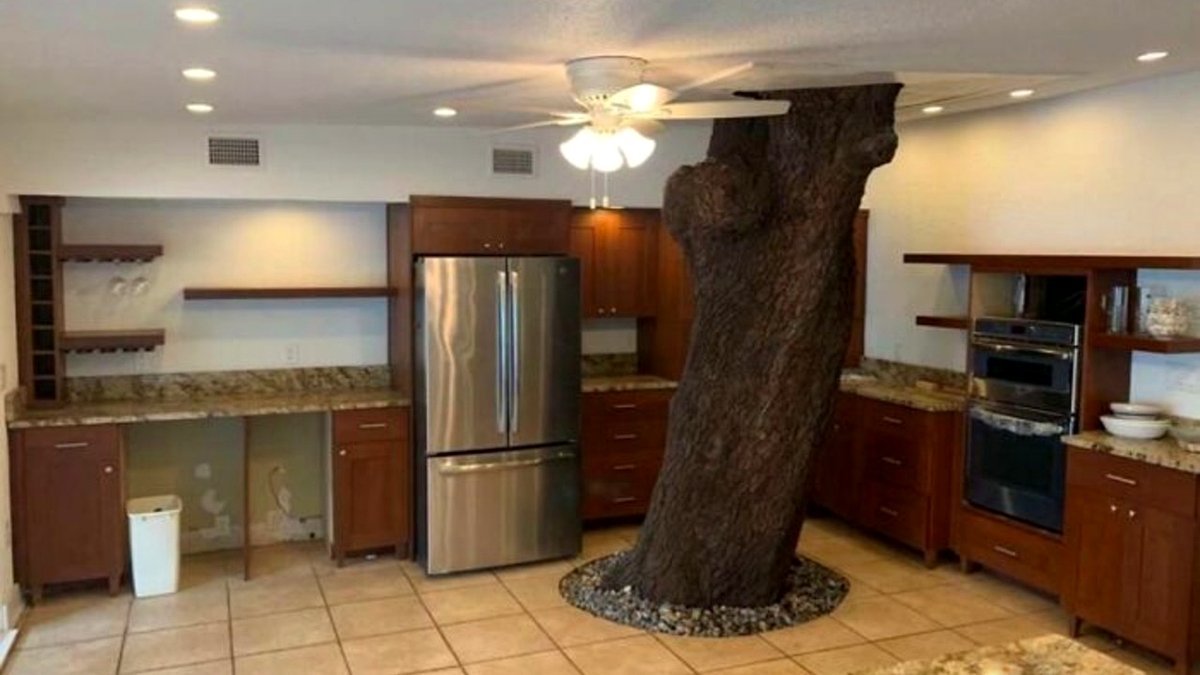
Additionally, personal connections can explain why someone may hold onto design choices that others find strange. Family photos, inherited items, and collections can give a home a feeling of history and belonging. Practical features like a reading nook or home gym can reflect someone’s daily routines and goals. The difference between public and private spaces is also important. A living room or entryway might be designed to show off a certain taste to guests, while a bedroom or office could reveal more about the owner’s everyday habits. What looks like an odd design choice from an outside perspective may have special significance to the person who made it.
Some individuals might not want their homes to fit a common design style. Architizer points out that unusual interiors can be used to express creativity and challenge expectations. Eclectic design, for example, mixes furniture and decorations from various styles and eras instead of adhering to one specific look. Maximalism takes this further by combining colors, patterns, textures, and objects. While some may see this as too much, for others, this richness is part of the design.
This willingness to combine different elements can make a room unforgettable. Unexpected materials, odd proportions, or unique architectural features can create standout moments that give a space its own identity, rather than making it look like every other home. Design doesn’t always have to focus on simplicity or traditional beauty. It can also express playfulness, cultural influences, or a desire to try new things. What are your thoughts on these design trends?
Sources:
Source: Bored Panda, by Erika Saikovskytė