Many people remember “Rainbow Fish,” a popular children’s book by Marcus Pfister published in 1992. It has sold millions of copies and inspired various merchandise like counting books, board books, hand puppets, and sequels, including “Rainbow Fish to the Rescue!” and “Rainbow Fish Finds His Way.” While the story features beautiful rainbow scales and a lesson about sharing, some critics argue that it sends the wrong message.
In a TikTok video, fifth-grade teacher Mr. Vương, who is known as “America’s Favorite Teacher,” shared his thoughts. He acknowledged that the illustrations are stunning and that the author likely had good intentions. However, he expressed that he disagrees with the story’s fundamental message. Vương pointed out that the Rainbow Fish, the main character, initially acts proud and dismissive towards other fish, which is described in the book. When asked for a scale, he refuses to share.
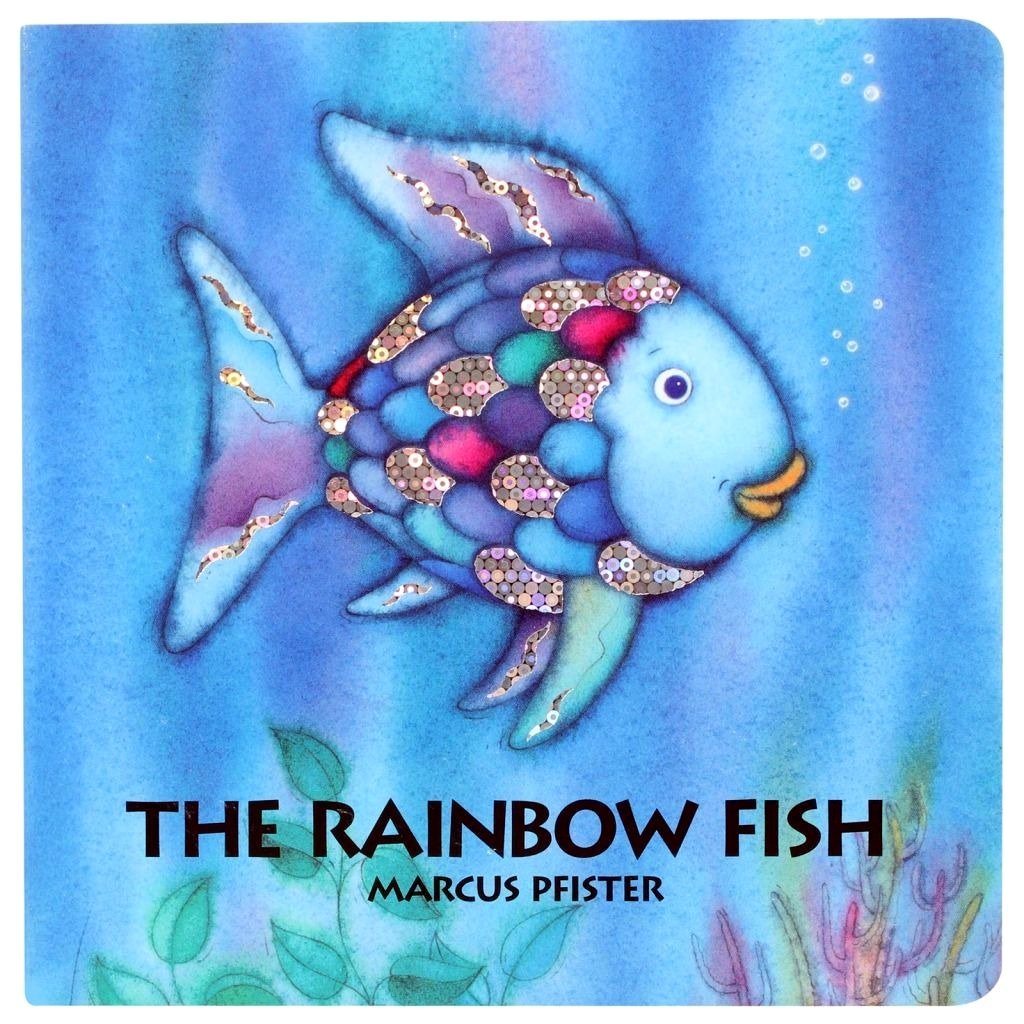
Vương believes this portrayal incorrectly suggests that setting boundaries is a negative trait. He feels that Rainbow Fish should have had the right to keep his scales. He also noted that the real issue is Rainbow Fish’s lack of humility. In his view, when Rainbow Fish did not share, the other fish chose not to play with him, which shifted the focus away from their rejection being a response to his attitude.
Additionally, in the story, the wise Octopus tells Rainbow Fish to overcome his pride by giving away most of his scales. Although he loses some of his beauty, he gains happiness at the end. Vương stated that this indicates the moral is about trading vanity for acceptance.
Some viewers on social media agreed with Vương’s perspective. One person mentioned that rereading the story made them feel frustrated, as the little fish’s actions seemed unreasonable. Another commented that the book promotes sharing but does so in a confusing manner. One person humorously noted that they learned to be a people pleaser from reading it.
Despite his opinions, Mr. Vương still uses the book in class to encourage critical thinking about its themes. He explained that he introduces the story without sharing his views and lets students make their own connections. Some recognize themes of selfishness, while others question whether Rainbow Fish was buying his friends. The discussions in class have been engaging, and students are even working on alternate endings that do not center around having to pay for friendships.
What do you think about the messages in “Rainbow Fish”?
Sources:
Source: Upworthy, by Heather Wake