People with Attention Deficit Hyperactivity Disorder (ADHD) often face challenges with being organized. A study from 2020 indicated that this could be linked to difficulties with working memory and hyperactivity, which can interfere with the executive functions needed to stay organized. Alison Lush, a certified professional organizer and ICD® Master Trainer who specializes in ADHD and chronic disorganization, discussed these issues during an interview on the Sorry, I Missed This podcast. The host, Kate Osborn, who is also an ADHD educator and the author of The ADHD Field Guide for Adults, talked with Lush about ADHD-related clutter and organization.
Osborn shared her experience of feeling guilt and embarrassment over her clutter and struggles to maintain organization. Lush agreed, noting that people with ADHD often experience chronic disorganization, which she defined as having three main characteristics: it lasts for a long time, negatively impacts quality of life, and happens repeatedly despite attempts to improve. In contrast, Lush described being organized as the ability to easily store and locate belongings.
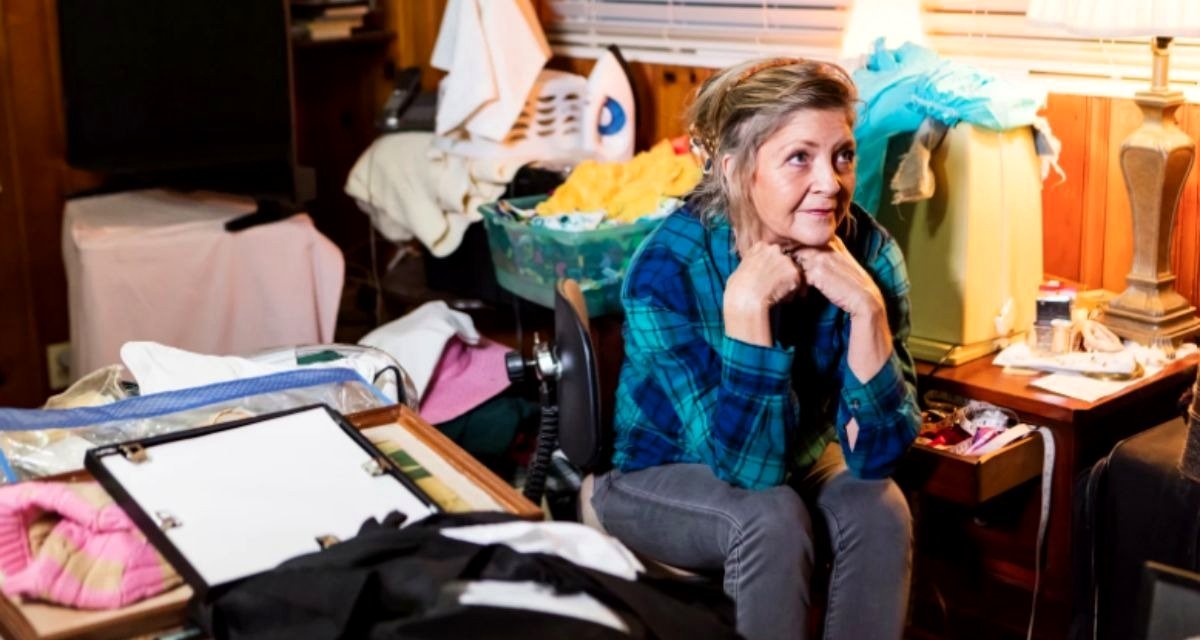
Lush explained that clutter can take many forms. For example, materials from a recent sewing project scattered across a table can be considered clutter that has a designated home but just needs to be put away. However, a table full of items without a specific place is a more severe type of clutter.
Lush, who identifies as someone who has overcome chronic disorganization, spoke about the shame cycle that can arise from ADHD-related disorganization. She mentioned that societal expectations, often pushed by social media, create pressure to maintain a certain standard of organization. Osborn highlighted the gap between individuals’ capabilities and the ideal representations they see online.
Lush pointed out that being organized does not have to meet any aesthetic standards. She also noted that the shame associated with chronic disorganization may lead people to isolate themselves, as they feel embarrassed about their living situations. To address this, she emphasized the importance of connecting with others who share similar struggles. She believes that finding a supportive community can help individuals feel authentic and receive valuable encouragement and ideas. Lush stated that community involvement is crucial for those dealing with chronic disorganization and ADHD, calling it a significant turning point.
How have your experiences with organization been shaped by societal expectations?
Sources:
Source: Upworthy, by Upworthy