On March 11, 1999, Fred Rogers was honored with an induction into the Television Academy Hall of Fame. At this time, his well-loved PBS program, Mister Rogers’ Neighborhood, had received almost every award available, including four Daytime Emmys. However, that night he experienced something even more special than receiving an award: a reunion with a young man whose life he had positively impacted.
In 1981, a ten-year-old boy named Jeff Erlanger from Wisconsin, who became a quadriplegic after spinal surgery, appeared on Mister Rogers’ Neighborhood. Rogers invited him on the show to talk about his disability, discussing both practical aspects, like using a wheelchair, and the emotional hurdles he faced. Rogers listened intently, asked thoughtful questions, and treated Erlanger with the same respect he gave to all children on his show. The conversation did not aim to turn Erlanger’s experience into a lesson; it was simply about understanding him. Together, they sang one of Rogers’ favorite songs, “It’s You I Like,” before Rogers expressed a hope that Erlanger would return to visit.
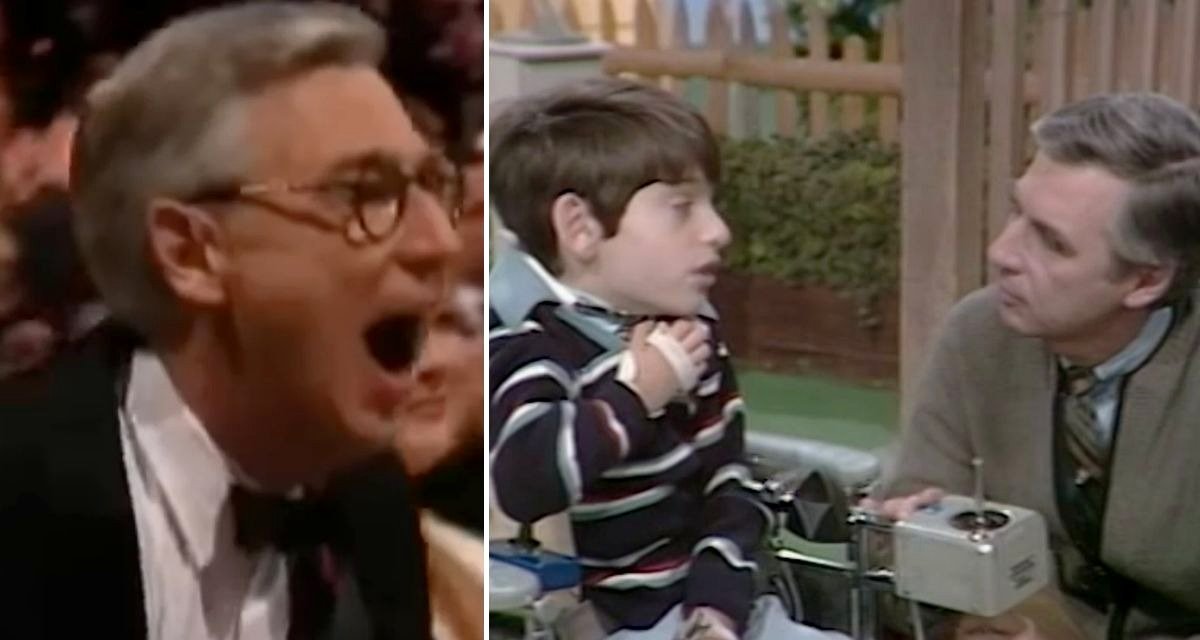
This heartfelt moment remained a cherished memory for Rogers over the years. As Erlanger grew older, he became a strong advocate for people with disabilities, and he and Rogers kept in touch. Almost twenty years later, Rogers was surprised to reunite with 29-year-old Erlanger. The joy on Rogers’ face upon seeing Erlanger again was unmistakable. One viewer noted that Rogers’ immediate recognition of Erlanger showed the kind of person he was. Another added that it was heartwarming to see how he recognized a child, even after so many years.
Erlanger acknowledged their shared past by saying, “On behalf of millions of children and grown-ups, it’s you I like,” referencing their song. The audience responded with a standing ovation for both men.
Although both Rogers and Erlanger have since passed away, they left behind a positive impact on the world. Rogers dedicated his life to teaching children and adults that they are deserving of love just as they are. At the same time, Erlanger used his own experiences to promote understanding and inclusion for individuals with disabilities. It’s a thought worth considering whether Rogers influenced Erlanger in his advocacy work. Even now, as people revisit their reunion, both Rogers and Erlanger continue to inspire others to make the world a better place. What do you think of their lasting legacy?
Sources:
Source: Upworthy, by Heather Wake