PITHORAGARH, Uttarakhand, India — Summers bring vibrant life to the Himalayan state of Uttarakhand. The forests are filled with fresh green leaves, while trails are adorned with flowers of various shapes, sizes, and colors. Alongside the plants, animals also thrive. Saraswati Devi, an 80-year-old woman, relaxes in her courtyard where bees buzz around a hive built into her home. She shares that bees are seen as sacred and are vital to people’s lives, with traditional faag songs sung about them during joyful events like weddings and festivals in the Kumaon area of Uttarakhand.
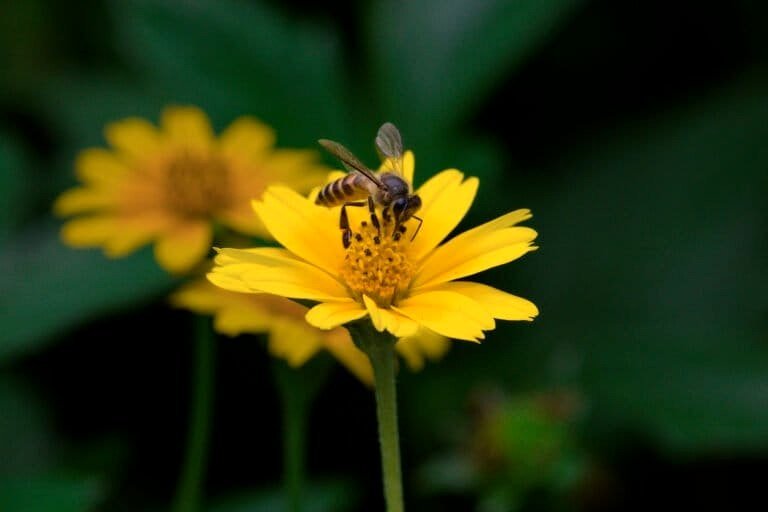
For centuries, the people in this region have lived closely with bees, fostering a unique bond. In rural Uttarakhand, many families coexist with an indigenous bee species known as Apis cerana indica, or the Indian honey bee. However, their numbers are decreasing due to various factors, including climate change, the introduction of foreign bee species aimed at increasing honey production, habitat loss, and poor nutrition. Since beekeeping is a natural household responsibility, women play a crucial role in the conservation of this bee species. This article was originally published on Mongabay.
Sources:
Source: Mongabay Animals, by Karen Coates