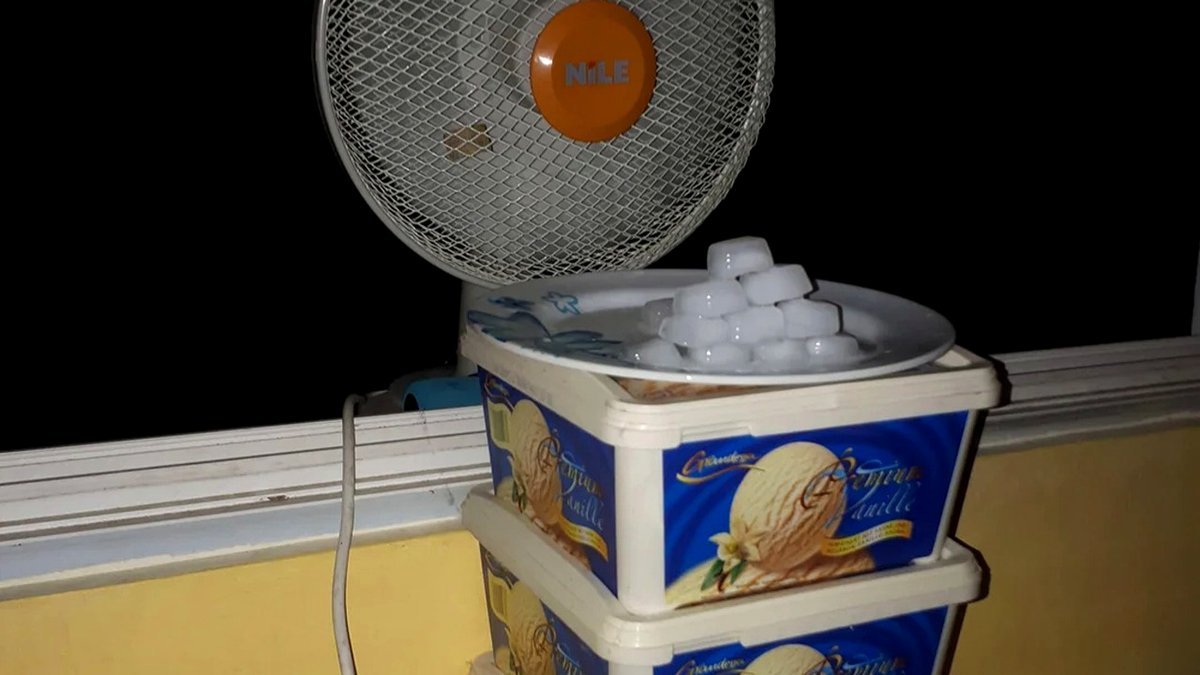
There is a unique approach to engineering found in Slavic culture that is not taught in schools or written in manuals. This mindset suggests that if there is a problem, there is also a solution, and it doesn’t need to be attractive or officially approved. The main goal is functionality. In over a dozen countries in Central, Eastern, and Southeastern Europe, this problem-solving method has resulted in creations that can be both astonishing and alarming. For example, duct tape can replace scaffolding, and a garden hose might serve as a full plumbing system. This inventive style could leave professional engineers in disbelief. Instead of questioning whether a method is appropriate, a Slavic engineer will check if it is sturdy enough and continue with their work.
The creativity illustrated in these practices stems from a historical context. During the Soviet era, resources were limited, shops were often empty, and waiting for the correct part was not a feasible option. Citizens learned to live with what they had, and this mindset, known informally as “sdelat iz govna i palok,” reflects a colorful Russian expression about resourcefulness. This need for innovation became a survival skill, leading to a lasting habit of finding alternative solutions to broken items.
The region has produced many notable engineers and scientists throughout history. Marie Curie was Polish, Nikola Tesla was Serbian, and Dmitri Mendeleev, who developed the periodic table, was Russian. The Soviet Union achieved significant milestones, including the launch of Sputnik in 1957, which was the first artificial satellite. Yuri Gagarin, the first person in space, was from a small village in western Russia. Those featured in the images are part of a legacy that contributed to space exploration, now applying that ingenuity to everyday tasks like fixing engines.
The dacha, a small country cottage often accompanied by land for gardening, is a key aspect of Slavic life. These cottages serve as places for families to grow vegetables, undertake DIY projects, and enjoy weekends filled with activity. Russia alone has an estimated 17 million dachas. They offer opportunities for engineering away from urban laws and public scrutiny.
The babushka, or grandmother, is a central figure in this culture, representing the ultimate life hacker. She is dedicated to repairing, preserving, and repurposing items long before sustainability became popular. With her stockpile of preserved goods, she demonstrates resourcefulness passed down through generations. She can mend broken furniture, feed guests generously, and supply homegrown vegetables without needing online guides. Her wisdom comes from family traditions and practical skills that stretch back for ages.
Slavic superstitions form a complex system that often runs alongside engineering logic and is treated with equal seriousness. For instance, whistling indoors is thought to bring bad luck, and shaking hands over a threshold is believed to lead to disagreements.
Sources:
Source: Bored Panda, by Ilona Baliūnaitė