Imagine you are preparing dinner and can smell the delicious food cooking in your kitchen. You grab some potatoes to make creamy mashed potatoes for your meal. As you start peeling them, you see that the skin underneath is a bright green color. You recall that there are concerns about eating green potatoes, but you have no other food available for dinner. What should you know about green potatoes? How worried should you be, and what can you do to make sure your meal is tasty and safe? This guide will help you understand green potatoes, the science behind their color, and practical advice on when it is okay to eat them and when you should throw them away.
First, examine how green the potatoes are. When you notice the green color, it is important to check how much of the potato is affected. If just a small part is green, you might be able to cut away the green areas and still use the rest. But if most of the potato is green, it is safer to toss it out. Also, consider how bright the green color is. A light green shade may mean lower levels of solanine, the toxic compound in green potatoes, while a dark green could indicate more solanine. As a rule, if over a quarter of the potato is green, it is best to discard it.
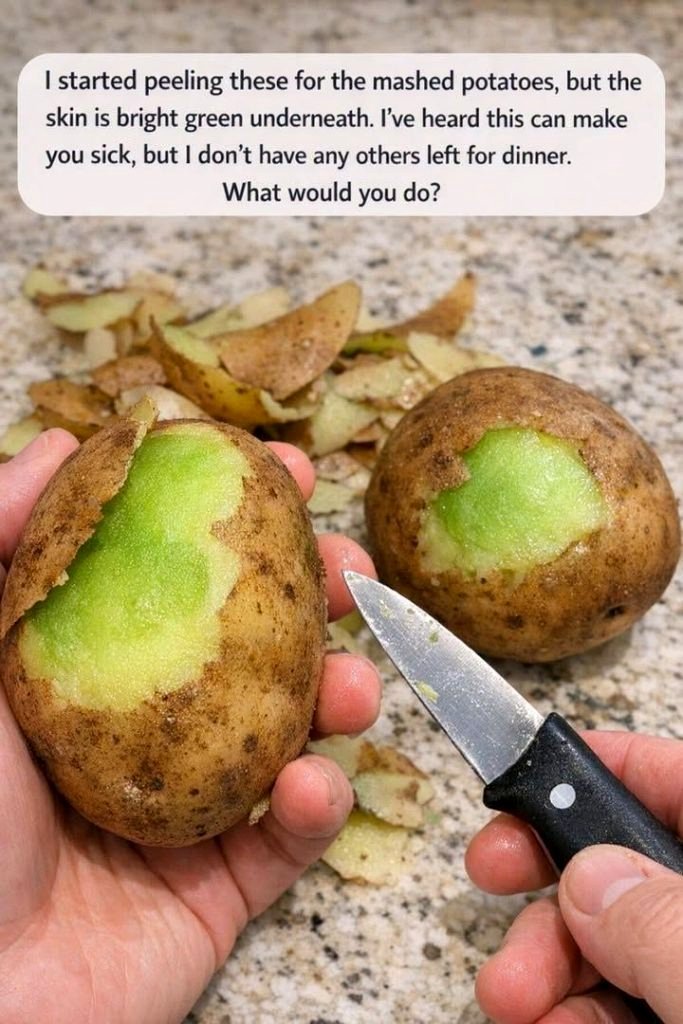
The green color in potatoes comes from chlorophyll, which is not harmful itself. However, its presence shows that the potato has been exposed to light, which can also lead to higher levels of solanine. Solanine is a poison that can cause nausea, headaches, and neurological issues if eaten in large amounts. Potatoes produce solanine naturally to protect themselves from pests and diseases. While all potatoes have some solanine, the levels rise when they are exposed to light and begin to develop a green color. Generally, solanine levels above 20 mg per 100 g of potato can lead to poisoning symptoms in people. What do you think about eating green potatoes?
Sources:
Source: Kitchen, by recipes