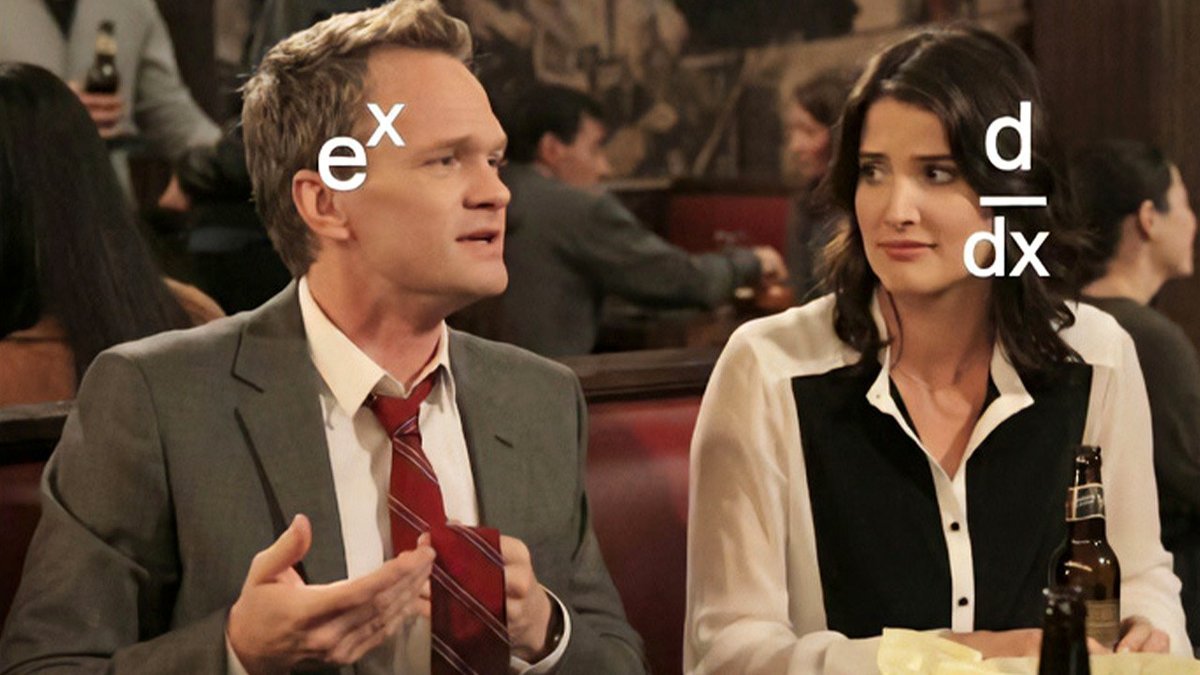
Science can be enjoyable, but many students might disagree when faced with difficult equations, puzzling concepts, and ongoing assignments. It can be challenging to see the humor in science while trying to understand why an apple fell on Newton’s head and how that impacted future learning. However, the internet allows for science to be presented in a light-hearted way, turning complex topics into jokes. One such example is the Instagram page, Physic Fun, which features amusing and relatable physics posts. A selection of their funniest memes is available for readers to enjoy, regardless of their experience in physics.
Physics is everywhere in our daily lives, often in unexpected places. For instance, a spoon can seem to bend when placed in a glass of water, demonstrating the forces acting around us. While the featured memes focus on the humorous aspects of physics, the topic also has many intriguing facts to share.
Take popcorn for example. Helen Czerski, a physicist and BBC science presenter, discusses its popping process in her book, Storm in a Teacup: The Physics of Everyday Life. Each kernel holds a small amount of water inside a tough outer shell. When heated, the water becomes steam and builds pressure until the shell bursts open, causing the starch within to expand and form the light, fluffy snack that many enjoy. This simple treat reveals a lot of underlying physics.
Czerski also examines why coffee spills often leave a dark ring as they dry. When a few drops spill, the liquid moves toward the edges as it evaporates, carrying tiny coffee particles, which settle around the perimeter and create that recognizable stain. Interestingly, this understanding has also aided scientists in developing new methods for medical testing.
Now, onto a more complex topic: the nature of time. Researchers from the US National Institute of Standards and Technology (NIST) found that time does not flow at the same rate everywhere. They used two extremely precise atomic clocks to demonstrate this concept. One clock was so accurate that it could gain or lose just one second over approximately 3.7 billion years. By comparing the two clocks, scientists observed slight differences in how time passed under various conditions.
The experiments at NIST supported two predictions from Einstein’s theory of relativity. First, a clock positioned higher above the Earth runs slightly faster than one closer to the ground due to weaker gravitational forces. Second, a clock in motion slows down when compared to a clock at rest. This concept relates to the well-known “twin paradox,” in which one twin travels through space at a high speed and returns younger than their twin who remained on Earth. This shows that time can behave in unexpected ways.
What are your thoughts on these fascinating aspects of physics?
Sources:
Source: Bored Panda, by Viktorija Strelciunaite