In February 2026, customs officials at Tanjung Priok Port in Jakarta opened a shipping container that they thought held sea cucumbers and instant noodles, as stated in the shipping documents. Instead, they discovered 3,053 kilograms (6,730 pounds) of dried pangolin scales intended for Cambodia. This marked one of Indonesia’s largest discoveries of this illegal product in recent years and led to an unusual lawsuit against those accused. Experts believe this case could change how wildlife traffickers are held responsible for the harm they cause to ecosystems and biodiversity.
Typically, Indonesia relies on criminal laws to address wildlife crimes, leading to relatively short prison sentences and fines that do not often reach the maximum legal limits. However, a conservation group called the Science for Endangered and Trafficked Species (SCENTS) Foundation is trying a different strategy. Alongside the state’s criminal case, SCENTS has filed a civil lawsuit asking the traffickers to pay for the ecological damage caused by the removal of thousands of pangolins from their natural environments.
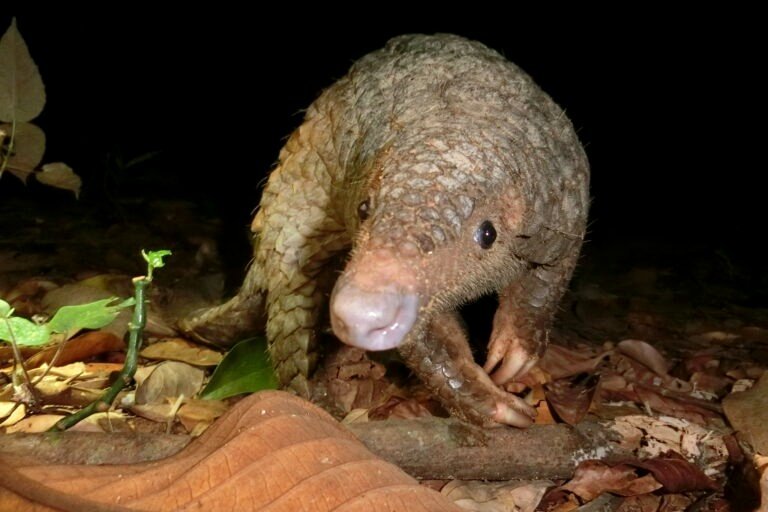
Ma’ruf Erawan, the director of SCENTS Foundation, pointed out that this case involves much more than just three tonnes of scales. He emphasized that the scales represent thousands of pangolins taken from the wild, along with the ecological roles and values they contribute to Indonesian nature. The organization, with legal support from the Jakarta law firm NET Attorney, submitted the civil lawsuit on September 2 at the East…
What do you think about this approach to tackling wildlife trafficking?
Sources:
Source: Mongabay Animals, by Isabel Esterman