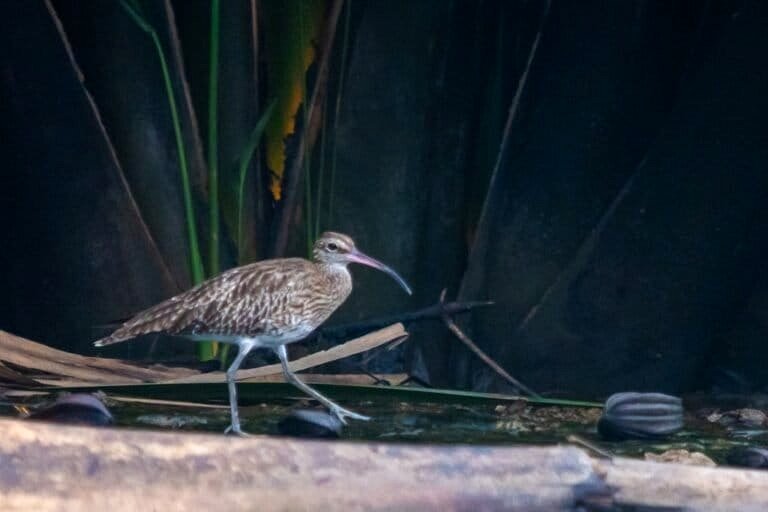
Ayetoro, located in southwestern Nigeria, is where the land meets the sea, but this area is losing its landmarks to rising waters. The sounds of birds, crashing waves, and local fishing boats fill the air around the decaying buildings and a wetland that serves as an essential stopover for migratory birds, such as Eurasian curlews, whimbrels, and common sandpipers. Each year, billions of birds travel long distances between their breeding grounds in the north and warmer areas during the winter months in the Northern Hemisphere. From October to January, these birds arrive at Ayetoro, and local volunteers from birdwatching groups monitor their presence during this time, participating in an annual count at the beginning of the year.
These volunteers are part of a wetlands monitoring initiative led by the Nigerian Conservation Foundation (NCF). They receive a stipend to assist NCF staff in identifying and counting the birds, gathering data on their populations, and capturing evidence of their behavior through photographs. The NCF’s efforts extend to two additional sites across Nigeria and are part of the Climate-Resilient East Atlantic Flyway (CREAF) project, which is supported by Germany’s International Climate Initiative. This project aims to improve the monitoring and management of migratory waterbird habitats in 11 countries along Africa’s Atlantic coast. Between 2010 and 2020, coastal erosion at Ayetoro increased by more than 10 meters each year. The original article was published on Mongabay. What do you think about the impact of climate change on bird habitats?
Sources:
Source: Mongabay Animals, by Terna Gyuse