Humor on the internet changes quickly, making it hard to know what is funny anymore. Simple jokes have been replaced by odd jokes, strange screenshots, and unusual images. A specific online page shows this strange time in social media, and this article shares some of its most ridiculous content. Some people believe this represents the height of modern humor, while others think it is just low-effort nonsense. Readers can scroll down to decide if the posts are truly entertaining or just awkward.
These posts often break traditional rules, combining random images, unusual captions, and uncomfortable humor into something that can feel very strange. The comedy usually does not follow a specific structure; instead, it relies on a shared understanding of culture and digital trends. Recognizing a totally nonsensical meme is part of the humor. It might include a pop culture reference, a niche hobby, or an inside joke.
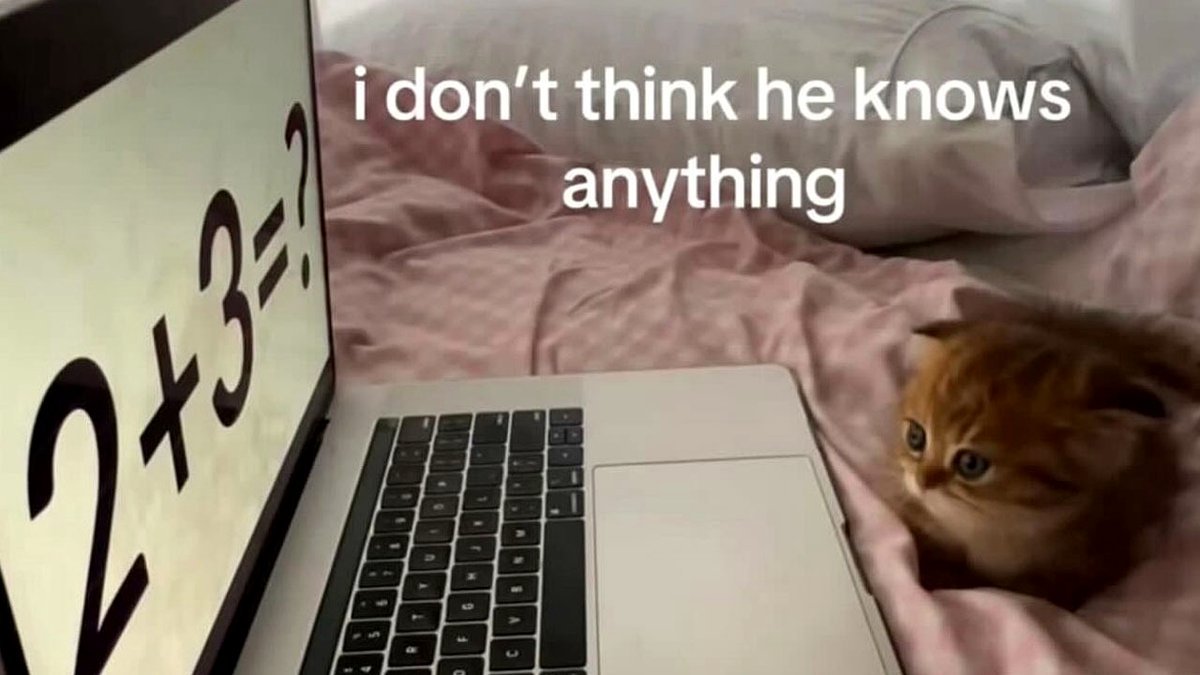
Many of these posts belong to what is known as “Zoomer” or Gen Z humor, which is characterized by absurdity and a hint of cynicism. These posts are often intentionally illogical, and the absence of a coherent joke becomes the joke itself. They embrace chaos and a dark edge, reflecting the overwhelming feeling many young people experience in today’s world. According to Thom Hamer, a doctoral researcher in philosophy at Cardiff University and the University of Southampton, a key aspect of Gen Z humor is that sometimes the lack of a punchline is what makes it funny, bringing a new kind of sincerity into the mix.
Visual elements are also important. These posts may appear distorted, of low quality, or over-edited to seem less polished. They often combine random pop culture icons into one image. This mashup might seem meaningless to those outside of this online culture, but it can be quite amusing to frequent internet users. However, this style is not appealing to everyone. Many people, including some within Gen Z, view these posts as pointless and lacking humor. Yet, the absence of traditional jokes is also part of what makes them funny.
Some images can create a feeling known as cringe, which is that uncomfortable sense of secondhand embarrassment. This feeling occurs when someone makes a mistake in public or shares something very inappropriate online. Even though it can be awkward, many still find it hard to look away. Shows like The Office and Mr. Bean capitalized on this feeling, even if many viewers initially thought the awkwardness was too uncomfortable to handle.
Why do people keep looking at posts that make them cringe? Experts think that watching cringe-worthy content can help our brains learn in a safe way. By seeing others break social norms, we can experience worst-case scenarios without facing real consequences. Media researcher Marc Hye-Knudsen noted that these experiences can prepare us for our own awkward moments and provide strategies for dealing with them.
Cringe content has similarities with classic physical comedy. Both forms of humor often involve laughing at someone else’s embarrassment. What do you think about these types of posts?
Sources:
Source: Bored Panda, by Indrė Lukošiūtė