By 1928, Amelia Earhart was widely recognized in the United States after becoming the first woman to fly across the Atlantic. Her achievements in aviation continued when, in 1932, she made history again as the first woman to fly solo and nonstop across the country. In 1933, Earhart ventured into fashion design, marking a shift in her career. Long before social media influencers, she endorsed various products throughout her life. Her deep interest in design led to a groundbreaking activewear line for women that significantly influenced how clothing was designed and marketed.
Earhart had a history of making her own clothing. A Woman’s Home Companion article from August 1934 noted that she began creating her own outfits while still in high school. In 1930, she also designed a two-piece flying suit for an organization of female pilots called the Ninety-Nines. After marrying her publisher George Putnam in 1931, he became instrumental in shaping her personal brand, arranging public appearances and lectures. The idea of a fashion line came from Putnam and Italian designer Elsa Schiaparelli after they discussed practical clothing for active lifestyles in February 1933.
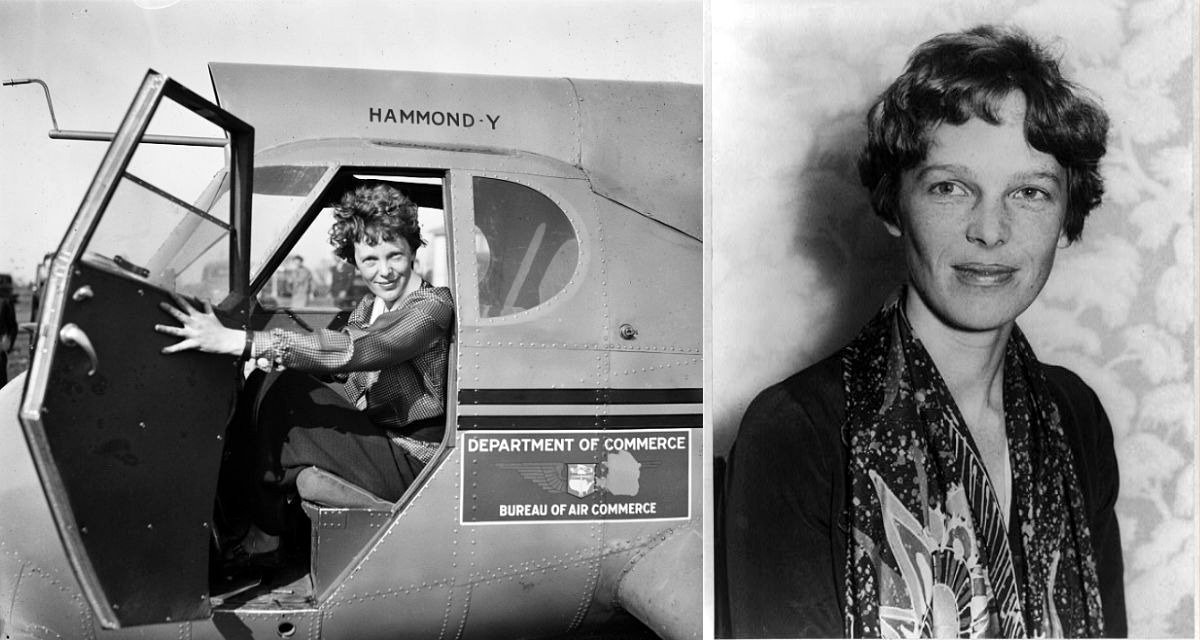
With Putnam’s assistance, Earhart created the Amelia Earhart Fashions line in a suite at New York’s Hotel Seymour. The premiere collection was unveiled at R.H. Macy & Co. in New York later that year and consisted of 25 outfits. This collection was innovative for several reasons, including the way items were sold as separates, allowing customers to mix and match different tops and bottoms. According to Woman’s Home Companion, this meant a skirt could be worn with various tops and vice versa. The clothing was ready-to-wear, meaning it could be purchased and worn immediately, with sewing patterns also available for those who preferred to make their own garments.
Each piece featured a label with Earhart’s signature and a design that included a red line trailing a red plane. Her designs incorporated aviation elements, such as parachute cords for belts and buttons shaped like propellers. Additionally, she created raincoats using parachute silk. The activewear was distinguished by its wrinkle-free fabric suitable for women on the move, and shirts featured long tails that stayed tucked in during activity. Earhart expressed that she designed them with enough length to remain tucked in even if wearers were upside down, emphasizing her goal to embody the freedom of flight in her clothing.
What do you think of Amelia Earhart’s impact on women’s fashion?
Sources:
Source: Upworthy, by Emily Shiffer