Spies are real and are sent by governments worldwide to gather intelligence or complete special missions. The essence of being a spy lies in their secretive work. They operate undercover, sometimes using disguises, allowing them to execute tasks without drawing attention. This requires a strong understanding of psychology and social science, more than just skills in combat and weaponry.
In an interview on Steven Bartlett’s podcast, “Diary of a CEO,” former Secret Service Special Agent Evy Poumpouras discussed effective tactics for influencing others. She explained that understanding what motivates people is crucial in persuading them to act in a certain way. Poumpouras has been involved in high-level protection, serving in the Secret Service for President Barack Obama and First Lady Michelle Obama, as well as previous presidents.
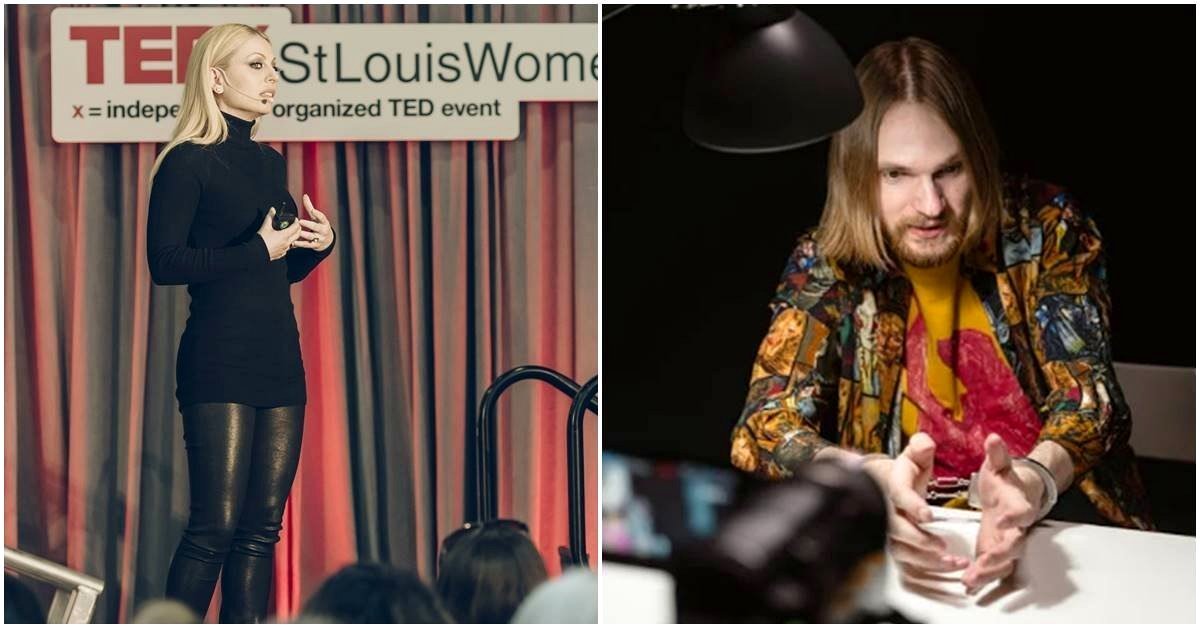
She noted that to gain insights into someone’s motivations, it is vital to listen carefully. Poumpouras pointed out that many people err by talking too much. She explained that if one person is talking while the other listens, the listener gains valuable information about the speaker’s interests and beliefs while learning little about themselves. She emphasized the importance of identifying different motivations, whether they involve money, relationships, safety, or something else. Poumpouras highlighted that everyone has unique motivations and that giving people space allows them to share more about themselves.
It is important to note that her goal is not to assist people in deceiving others, but rather to promote self-confidence and belief in oneself. Many viewers on TikTok reacted positively to her advice, noting how people generally enjoy discussing themselves. Some parents found her tips helpful in their own family interactions.
Poumpouras’ insights can also be relevant outside of espionage. Understanding what drives others can be beneficial in various situations, such as dating, business, and leadership. Research supports this idea; a study led by Wharton psychologist Adam Grant showed that fundraisers who had brief interactions with individuals who benefited from their work were significantly more productive in their roles.
How do you think understanding motivations can help in everyday life?
Sources:
Source: Upworthy, by Tod Perry