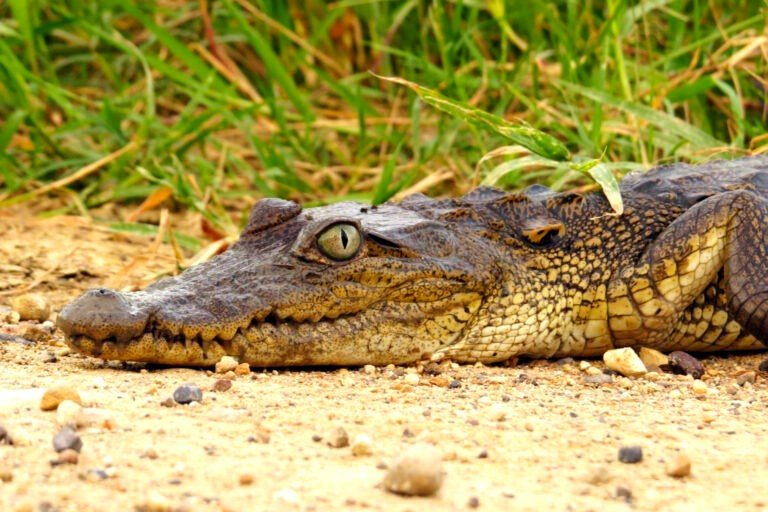
In 2017, Omar Trujillo Santos was in a small wooden boat when he held a crocodile. The crocodile was a young Morelet’s crocodile with soft skin, similar to that of a snake. He untied the reptile and gently placed it into the dark waters of the Alvarado Lagoons System in Veracruz, located in southeastern Mexico. This action marked the end of a mangrove restoration effort. Research indicates that Mexico, which has a wealth of mangroves, has seen the greatest level of mangrove loss in the Americas. To combat this issue, conservation and reforestation initiatives aim to restore these ecosystems, but many do not succeed in developing a mature forest. Often, seedlings and young trees fail to survive due to poor planting methods or inappropriate locations.
The Veracruz project, led by a nonprofit organization called REVIVE, focuses on restoring not just the trees but the entire mangrove ecosystem. They use planting techniques inspired by the Aztecs to rebuild forests and incorporate crocodiles to help maintain these areas. REVIVE states that this approach has led to a fully restored forest. Conservationists involved in the project express hope that this success will motivate others to explore the potential of using crocodiles in future mangrove restoration efforts. Aníbal Ramírez Soto began his work with mangroves in the Alvarado lagoons in 2006, planting seedlings in a traditional way. This article was originally published on Mongabay.
What are your thoughts on using animals like crocodiles in restoration projects?
Sources:
Source: Mongabay Animals, by Morgan Erickson-Davis