When animals are healthy, it usually means their environment is also healthy. However, when the wrong animals thrive in a certain area, it can indicate a problem. Redonda, a Caribbean island, is a clear example of this. In 2016, this uninhabited island looked like a large rock in the ocean. Goats and rats, introduced by human phosphate miners in the 19th and early 20th centuries, had devastated the ecosystem. These invasive animals ate nearly all the plants, turning a once-green landscape into a barren area resembling a moon’s surface.
By a decade later, the island began to recover significantly, thanks to efforts from the government of Antigua and Barbuda and organizations like the Environmental Awareness Group (EAG), Fauna & Flora, and Re:wild. In 2016, Redonda was home to dozens of goats and about 6,000 black rats. Their overpopulation had ruined the landscape, causing them to starve and even resort to cannibalism.
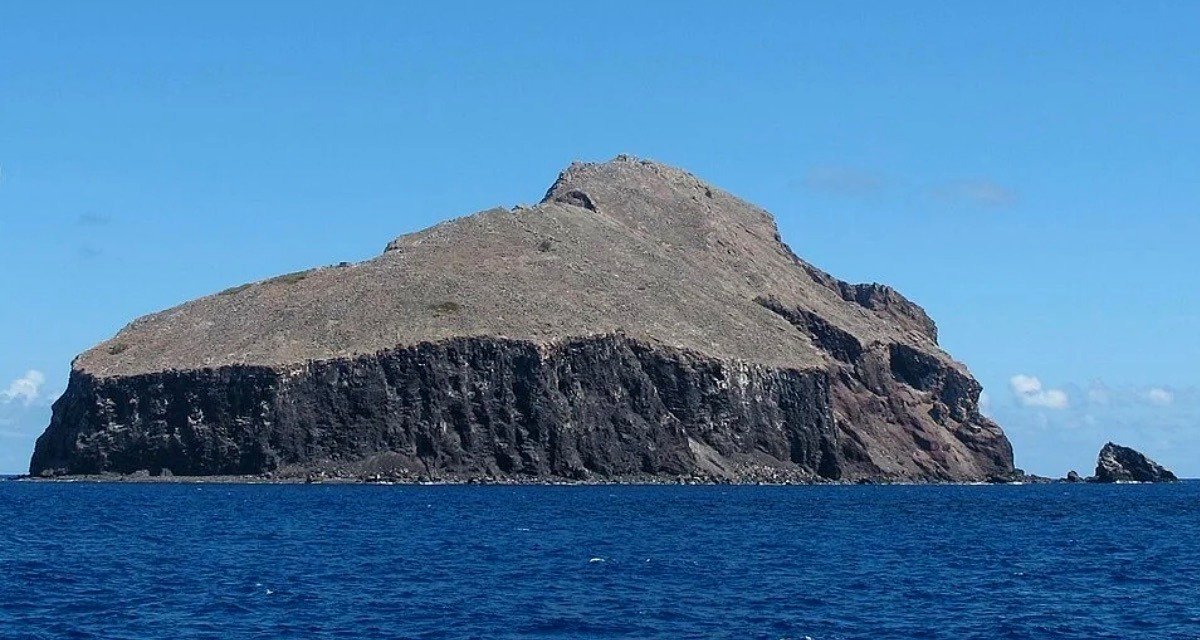
To help the situation, over 50 goats were airlifted to Antigua after much effort. The challenge was not the helicopter ride but catching the goats. Workers tried to set up a corral with shade and water, but the goats were cautious. They attempted snares, traps, and a net launcher without success. Eventually, they discovered that if they could lure the goat kids into the corral, the adult goats would follow. This plan worked. To reduce stress during transport, rescuers covered the goats’ horns with pool noodles and placed hoods over their eyes for the 20-minute helicopter ride.
The process for the rats was different. A team of about 10 people, including cliff rappellers, spread rat poison every 100 feet around the island, which is about 1.5 square kilometers. This effort started in December 2016 and by March 2017, there were no more rats on the island.
Shanna Challenger, the Restoration Program Coordinator with EAG, shared that lizard populations have significantly increased, with some endemic species growing six times their previous numbers. Many plants, absent for decades, are returning, and even a hummingbird has been seen. They are considering reintroducing a burrowing owl, but no new plants have been brought in; nature is healing on its own.
Descriptions from Christopher Columbus’s 1493 journey noted that the island was wild and green with many birds. Remarkably, Redonda today resembles its state 500 years ago, far more than it did a decade ago. Challenger expressed that witnessing this change was emotional for her.
As the land flourished, the underwater ecosystem also began to recover. The lack of vegetation had caused soil erosion, which disrupted marine life. Challenger mentioned that even in the ocean, new coral colonies are emerging, and there are more foraging turtles and parrotfish. With fewer plants on Redonda, the soil runoff into the sea increased, impacting the marine ecosystem.
What do you think about the recovery of Redonda and its ecosystem?
Sources:
Source: Upworthy, by Annie Reneau