When people talk about wealth and poverty, boots often come up in the conversation. The saying “pull yourself up by your bootstraps” suggests that individuals should work harder without expecting help. This phrase is rarely mentioned as being originally used in a sarcastic way, since it is impossible to literally pull oneself up by their bootstraps. The idea behind this saying is that those who accumulate wealth do so by working harder than those who are poor. This belief is deeply rooted in American culture and is linked to the concept of the American dream. However, there is another perspective on boots and wealth that highlights the true challenges faced by those in poverty.
A high-quality pair of work boots can save money over time, but only if a person can afford them initially. Terry Pratchett, a fantasy author who passed away in 2015, is known for his insights on this topic. In January 2022, his official Twitter account shared his “Captain Samuel Vimes ‘Boots’ theory of socio-economic unfairness” from his 1993 book Men At Arms. This theory explains that one reason the wealthy continue to grow richer is that they can spend less overall. The post also supported Jack Monroe, a UK anti-poverty activist, who created the “Vimes Boots Index” to monitor the costs of essential items. Pratchett’s estate approved this initiative, which led to changes in how the UK’s Office for National Statistics reports food-price inflation across different income groups, although the ONS did not confirm that this change was directly related to Monroe’s campaign.
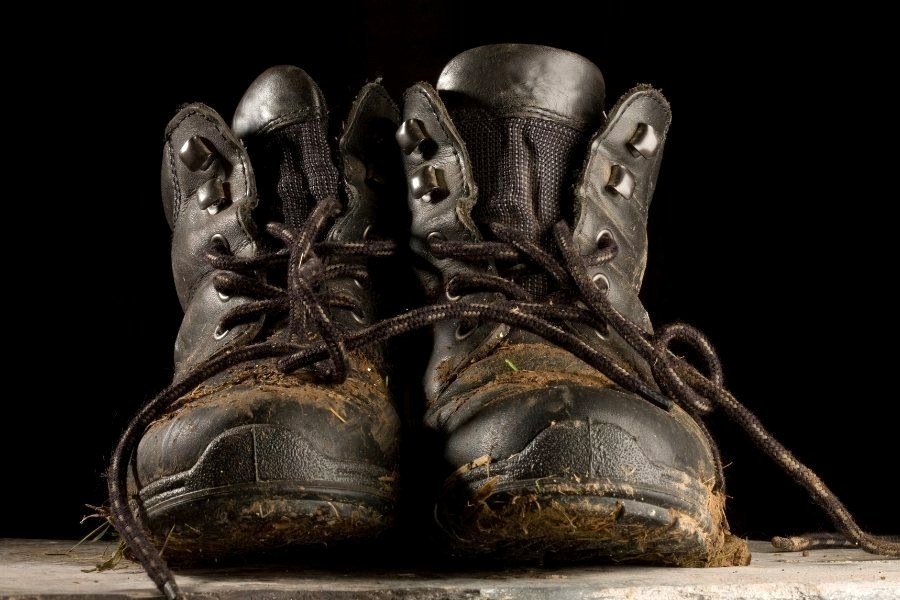
Pratchett illustrated his theory by discussing the cost of boots. He noted that a worker earning thirty-eight dollars a month might find a good pair of leather boots priced at fifty dollars. In contrast, a cheaper pair, which might last a season or two but would eventually leak, typically cost about ten dollars. This worker often resorted to buying the cheaper boots, which would wear out quickly. Good boots, however, could last for many years. A person who could afford to spend fifty dollars might have boots that kept their feet dry for a decade, while someone only able to buy the cheaper option would end up spending a hundred dollars on boots over the same period, still dealing with wet feet.
This example shows that those who have more money can make better long-term choices, saving money in the end. For instance, a fifty-dollar pair of boots that lasts five years would mean spending only ten dollars each year. Conversely, if someone can only afford the ten-dollar boots that wear out in six months, they essentially pay double the annual cost over five years. This principle applies in many areas of life for those with limited finances. Buying in bulk can be cheaper in the long run, but requires upfront cash. Similarly, a reliable car that doesn’t need frequent repairs might cost more initially, but if only an old, worn-out car is affordable, it often results in higher overall expenses.
How do you think access to better quality goods impacts people’s financial situations?
Sources:
Source: Upworthy, by Annie Reneau