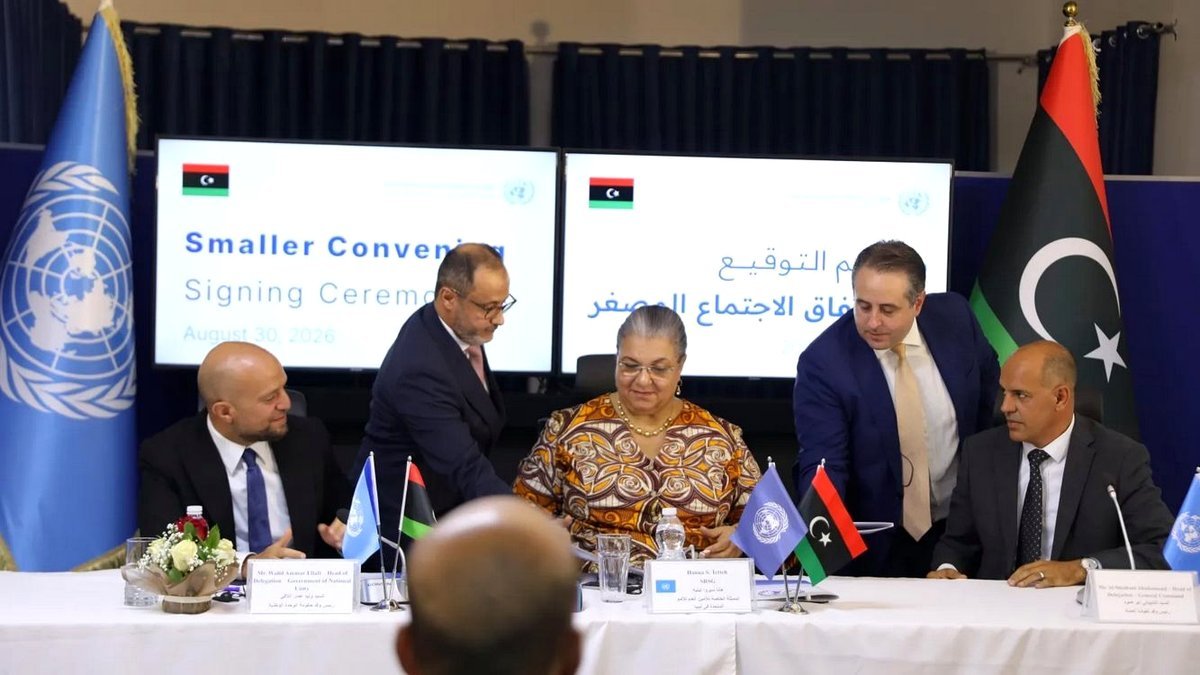
Libya’s rival factions have agreed to hold elections, offering hope for an end to the civil war and the situation of double government in the country. This progress was marked by a signing ceremony with the United Nations Support Mission to Libya in Tripoli. The UN has been working for over two years to facilitate these discussions. Following a NATO-supported uprising that led to the fall of the government in 2011, Libya experienced a civil war from 2014 to 2020 due to conflicts between different political and rebel groups. In 2021, talks for national elections did not succeed, leaving the nation divided between the UN-recognized government in Tripoli and the forces commanded by General Khalifa Haftar in Tobruk. Although the government in Tripoli had international backing, its power structure remained fragile, consisting of many parties and factions with differing interests. Fortunately, there has been no fighting for the last six years, leading to this recent agreement to establish a date for elections in the next two years. During this time, critical issues concerning electoral laws, candidate eligibility, and the elections body will be addressed.
The agreement includes a provision that if the House of Representatives and the High Council of State do not find solutions during a specified period, the elections will proceed using a constitutional document, with support from the UN Security Council. Throughout the past six years, key Libyan political figures have repeatedly called for elections, which have become increasingly essential for economic recovery and internal security in the country.
Sources:
Source: Good News Network, by Good News Network