In the dusty arena of the boxing world, where dreams are made and shattered, one name stood out in the 1930s — Max Schmeling. He wasn’t just a boxer; he was a symbol of strength and resilience during dark times. When a photograph of him popped up online, it sparked memories of a man who did something extraordinary in an era filled with fear and hatred.
Max Schmeling was a champion with a powerful punch. He made headlines when he became the first person to defeat the legendary Joe Louis, a man who would go on to become a boxing icon in his own right. But there was more to Schmeling than just his boxing skills. Underneath the tough exterior lay a compassionate heart that defied the expectations of his time.
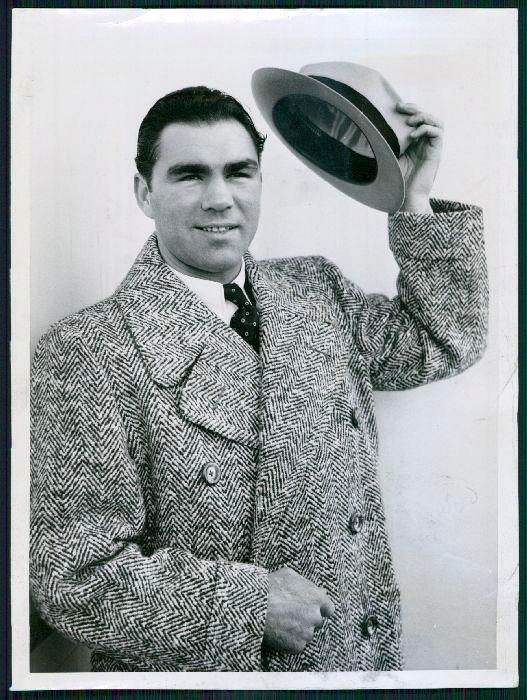
In the early 1930s, as Hitler’s regime rose in Germany, many people turned a blind eye to the suffering happening around them. The press often painted Schmeling as a Nazi hero—someone who would wave flags and support the sinister agenda of the time. However, the truth was much more complex. In a moment of bravery and moral courage, Schmeling refused to abandon his Jewish manager, Joe Jacobs, despite the dangerous climate surrounding them. This choice showed the strength of his character when others might have faltered.
But Schmeling didn’t stop there. In a gripping turn of events during Kristallnacht, a terrifying night in November 1938 when Jewish homes and businesses were attacked across Germany, he took in two Jewish teenagers, hiding them from the violent chaos. This act of kindness could have cost him everything, but Schmeling chose compassion over fear, proving that true heroes often act out of love rather than hate.
As the years went by, the world changed, but the story of Schmeling’s bravery resonated with many. It reminded people that even in the darkest times, there are glimmers of hope and humanity. In a world where hatred can spread like wildfire, Schmeling’s actions spoke volumes about standing up for what is right.
Imagine that moment when Schmeling welcomed those frightened teenagers into his home. You can almost feel the tension in the air. The fear of being caught loomed like a shadow, but so did the warmth of compassion. The rooms filled with whispered conversations and shared hopes, as the world outside was filled with uncertainty and turmoil. It was a small haven amidst a raging storm.
Schmeling’s story became a source of inspiration not only in Germany but around the world. People began to understand that true strength comes from protecting others, especially those who are vulnerable. His legacy grew, not because of his boxing titles, but because of his heart. Even after his passing, his story continues to remind us that we all have the power to make a difference.
In a society where it can be easy to turn a blind eye to injustice, Schmeling’s courage is a powerful lesson. His life asks us to confront the uncomfortable truths of our own time. Are we willing to stand up for what is right, even if it means facing criticism or danger? His actions encourage us to reflect on our own choices and the impact they have on others.
Today, as we look back on Schmeling’s life, we can feel the weight of his choices. He was not just a boxer; he was a beacon of hope during a harrowing period in history. His story challenges us to be better, to be more compassionate, and to recognize the humanity in everyone around us.
In the end, we must ask ourselves: How far would we go to help someone in need? In a world that often seems divided, can we find the courage to reach out and lend a hand? As we reflect on Max Schmeling’s legacy, let us think about the choices we make every day. Will we choose love over hate? What will your story be?
Source: Originally shared by u/anonymous on r/OldSchoolCool. This story has been retold and expanded for editorial purposes.