It is common for people to hope their partner connects well with their family. Ideally, they will bond and everyone will feel like family. However, this is not always the case. Many stories on the internet show that in-laws do not always get along. A situation shared on r/AmITheJerk highlights a conflict between a daughter-in-law and her pregnant sister-in-law. While in-law disagreements can happen, they become problematic when feelings of resentment cloud judgment.
A woman knew that her daughter-in-law and daughter had a rocky relationship, but it did not seem to be a significant issue until her son’s wedding day. Although the sister-in-law was approaching her due date, it is important to note that only a small percentage of babies are born on their expected due dates. Thus, it was unreasonable for Jessie to expect Rebecca to apologize for going into labor during the wedding. According to research, only about 4% to 5% of births happen on the due date, and the duration of pregnancy can differ by weeks.
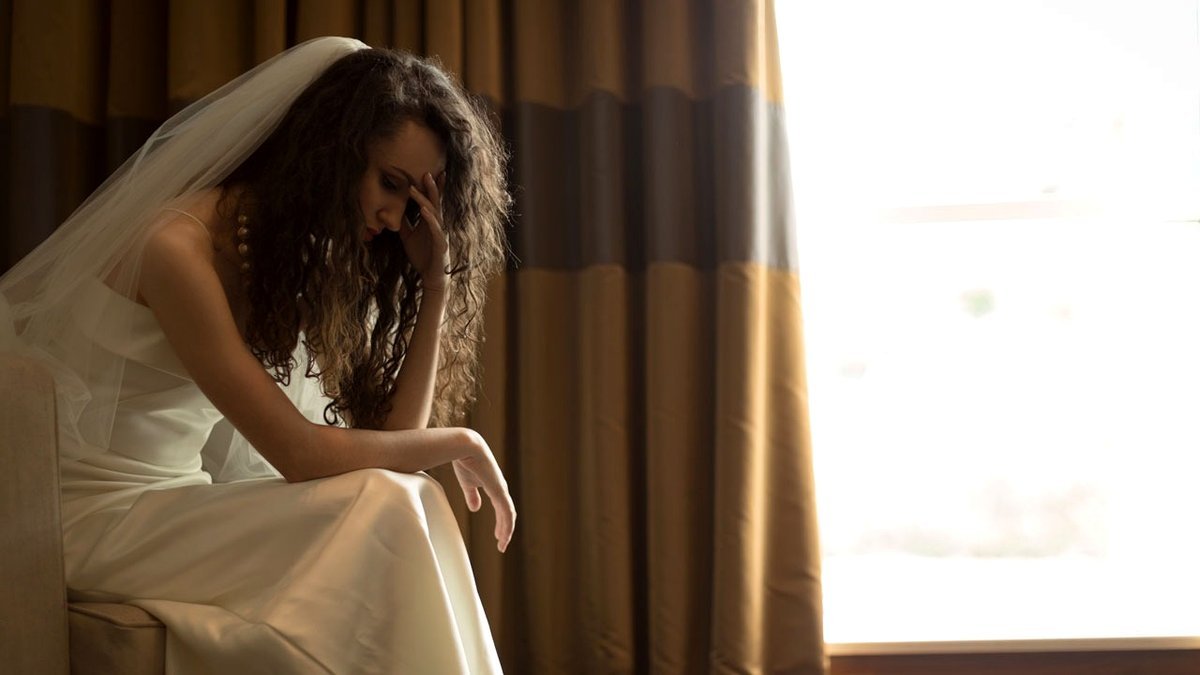
From a psychological standpoint, Jessie might have understood that there was no way to control when Rebecca would give birth. However, strained relationships often lead people to misinterpret each other’s actions. In this case, Jessie might have viewed Rebecca’s labor as an attempt to ruin her wedding rather than a medical situation that could not be predicted.
Psychologists have identified a phenomenon called the spotlight effect, which suggests that people often think others are more focused on them than they actually are. This might lead Jessie to see the unexpected labor as a deliberate interruption of her special day, despite Rebecca having no control over it.
Many readers noted that the issue was not about intent but rather the impact of the event. Dr. Harriet Lerner explains that an apology does not always mean admitting guilt. If Rebecca had offered an apology, she could have shown compassion toward Jessie without accepting blame for something she could not control.
Research indicates that the attitude of the mother-in-law, particularly her defense of her daughter, may have made Jessie feel uncomfortable. Studies show that daughters-in-law can feel like outsiders within their partner’s family. By taking a firm stand for her biological daughter, the mother-in-law may have reinforced Jessie’s concerns about her place in the family.
Despite the understandable disappointment over the wedding, Jessie’s reaction was seen as extreme and emotional. Readers shared their thoughts in the comments, with many believing that the mother-in-law was justified in supporting her daughter. Some disagreed, arguing that everyone involved deserved to apologize, while others felt the narrator was in the wrong. What do you think about the situation? Who bears the blame here?
Sources:
Source: Bored Panda, by Rugilė Žemaitytė