In the lush islands of Hawaii, a remarkable journey unfolded that changed the lives of many. Imagine a time when the Hawaiian people struggled to read and write. In 1820, the literacy rate was almost zero. Families had stories to tell, but without words, they felt trapped. Fast forward just 14 years to 1834, and the situation transformed dramatically. Suddenly, a whopping 91% of Hawaiians could read and write, a stunning achievement that surpassed the literacy rate in mainland America at that time!
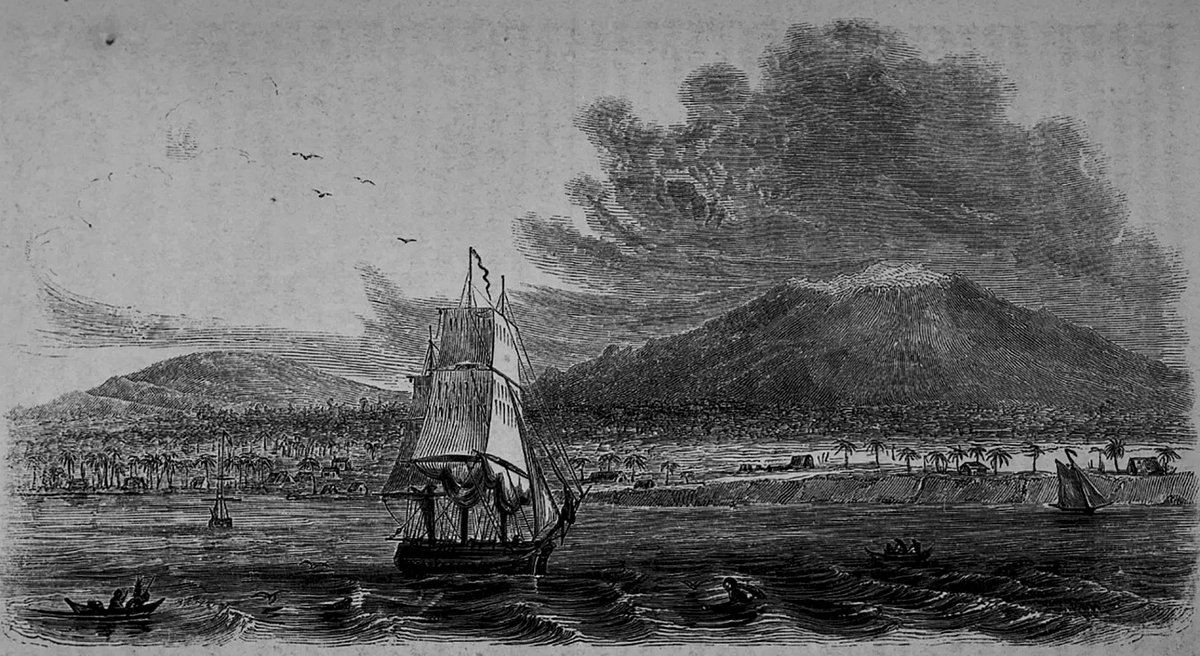
But how did this happen? It all started with a deep commitment to education. Early missionaries saw the beauty and richness of the Hawaiian language. They believed in the power of words to uplift and inspire. With great effort and love, they created a written form of Hawaiian, making it possible for families to share their stories. Schools began to pop up all over the islands, and children eagerly attended, keen to learn and grow.
In the small villages, teachers became heroes. They brought books filled with tales of adventure and knowledge. Children gathered under trees and in classrooms, their eyes sparkling with curiosity. They learned about their culture, their history, and the world beyond their shores. For the first time, they could write letters to family members, keeping connections strong. They could read about their great ancestors and share their beautiful traditions.
Yet, this joyous period did not last forever. In 1896, a dark cloud loomed over the islands when a single law was passed that changed everything. This law wiped out the Hawaiian language in schools, silencing generations of voices. Children no longer learned their mother tongue; they were forced to speak English instead. The cultural identity that had blossomed began to fade.
For many families, this was heartbreaking. The Hawaiian language was not just a means of communication; it was a part of who they were. It held their stories, their struggles, and their dreams. Parents watched as their children were taught to abandon the very words that connected them to their roots and their ancestors. Classrooms that once celebrated Hawaiian culture turned into places of loss.
As the years trailed on, the Hawaiian language became nearly invisible in schools for 91 long years. Families were torn between embracing a new way of life and holding onto their precious heritage. The islands slowly changed, but the spirit of the Hawaiian people remained strong. Many continued to speak Hawaiian at home, passing on their culture in secret.
Through the decades, a spark of hope flickered. In the late 20th century, a movement began to revive the Hawaiian language. Educators and community members came together to reclaim what had been lost. They opened Hawaiian immersion schools where children could learn in their native tongue once again. It was a beautiful sight to see young ones giggling and learning while speaking the language of their ancestors.
This heartfelt revival brought families together. It wasn’t just about learning words; it was about healing and reconnecting with their identity. Parents who had once felt powerless now beamed with pride as they watched their children sing traditional songs and recite beautiful poetry in Hawaiian. It was a celebration of resilience, a testament to the strength of a culture that refused to disappear.
This story resonates with so many because it speaks to the heart of every community. The struggle for identity, for language, and for culture is universal. People everywhere can relate to the feeling of wanting to hold onto their roots while adapting to a changing world. Each language, each story is a thread in the rich tapestry of humanity.
As the Hawaiian language continues to flourish in schools today, it reminds us of the importance of preserving our heritage. It shows us that education can be a powerful weapon against cultural loss.
In our fast-changing world, what lessons can we learn from the journey of the Hawaiian people? How can we ensure that our own stories are shared and celebrated? The conversation continues, and every voice matters. What do you think? How can we keep our languages and cultures alive for future generations?
Source: Originally shared by u/tractorboynyc on r/interestingasfuck. This story has been retold and expanded for editorial purposes.