Victorian-era portraits often show people, especially women, with very pale skin and tight corsets. Children in these portraits also looked pale, sometimes with dark circles under their eyes. The reason for this appearance is not due to sunscreen use in the 1800s. Many individuals in these paintings were wealthy, which is why they wore extravagant dresses and hairstyles. Photographs tell a different story. By the 1860s, processes like the carte de visite and tintype made it easier for more people to get their pictures taken. However, early photographic techniques were sensitive to blue light, which caused lighter colors to appear too dark. This can result in skin looking washed out and eyes appearing shadowy. The black-and-white nature of these images does not accurately reflect real skin tones.
During the 1800s, paleness was seen as a sign of high social status. Being pale suggested that someone did not work outside and was therefore wealthy. Tanned skin was often associated with outdoor labor, which was linked to lower social classes. Portraits from this time frequently depict women outside, using parasols to protect their fair skin from sunlight. Historians note that this idea of pale skin as a marker of wealth became an unhealthy obsession.
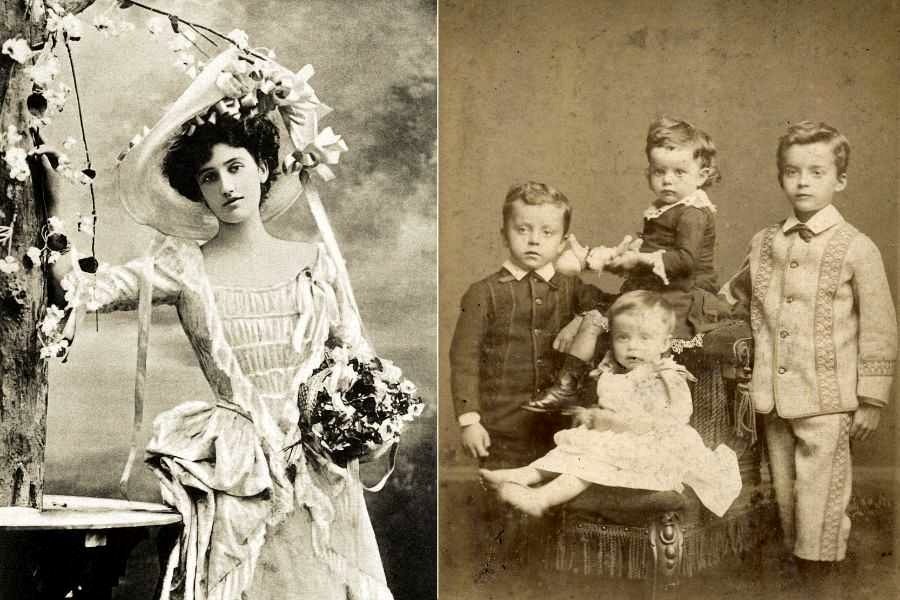
The Johnston Collection explains that during the Romantic period, extreme thinness and paleness became ideals of beauty. Many beauty icons were portrayed with thin bodies, pale skin, bright eyes, flushed cheeks, and red lips. Some people noticed that tuberculosis caused many of these features, leading to a trend where becoming sick was seen as fashionable. Women who were not ill might pretend to be by using vinegar or belladonna, a poisonous plant, in hopes of achieving this desirable look. Even though belladonna could be deadly, many women risked their health for the sake of beauty.
As the Romantic period passed, the idea of looking sickly continued. In the Victorian era, paleness became linked to morality and social standing, leading women to take dangerous steps to remain fair-skinned. Instead of trying to get tuberculosis, some women ingested toxic substances such as arsenic, chalk, and powdered rocks to maintain their looks. History Facts mentions a report from 1851 by a Swiss doctor about a group in Austria that regularly consumed arsenic, believing that small doses could make them immune to its harmful effects. This doctor claimed that arsenic gave them energy and improved their appearance, but eventually, long-term use resulted in serious health issues.
Additionally, arsenic was used to create vibrant green colors in clothing and wallpaper. Families did not realize that these beautiful items could be dangerous. Children, in particular, were affected, and many became ill or died due to poisoning from arsenic present in household items. Arsenic green showed up in various products, including children’s toys, leading to tragic outcomes.
What do you think about the lengths people went to in order to meet beauty standards?
Sources:
Source: Upworthy, by Jacalyn Wetzel