Actors often hear the advice, “Less is more” when performing in front of a camera. But can an actor’s performance still be convincing without any facial expressions? A video from Lofi Cinema explores this idea through the lens of the Kuleshov Effect, featuring contemporary actors like Ryan Gosling and Zendaya.
The Kuleshov Effect, developed by Soviet filmmaker Lev Kuleshov in the early 20th century, suggests that viewers instinctively create meaning by connecting two sequential shots. Kuleshov found that audiences interpret an actor’s expression differently when placed next to various images. To illustrate this, Kuleshov showed the same expressionless close-up of silent film actor Ivan Mosjoukine alongside three distinct images: a bowl of soup, a child in a coffin, and a young woman relaxing on a couch. Viewers believed Mosjoukine’s face conveyed different emotions for each scenario—hunger, grief, or desire—despite his unchanging expression.
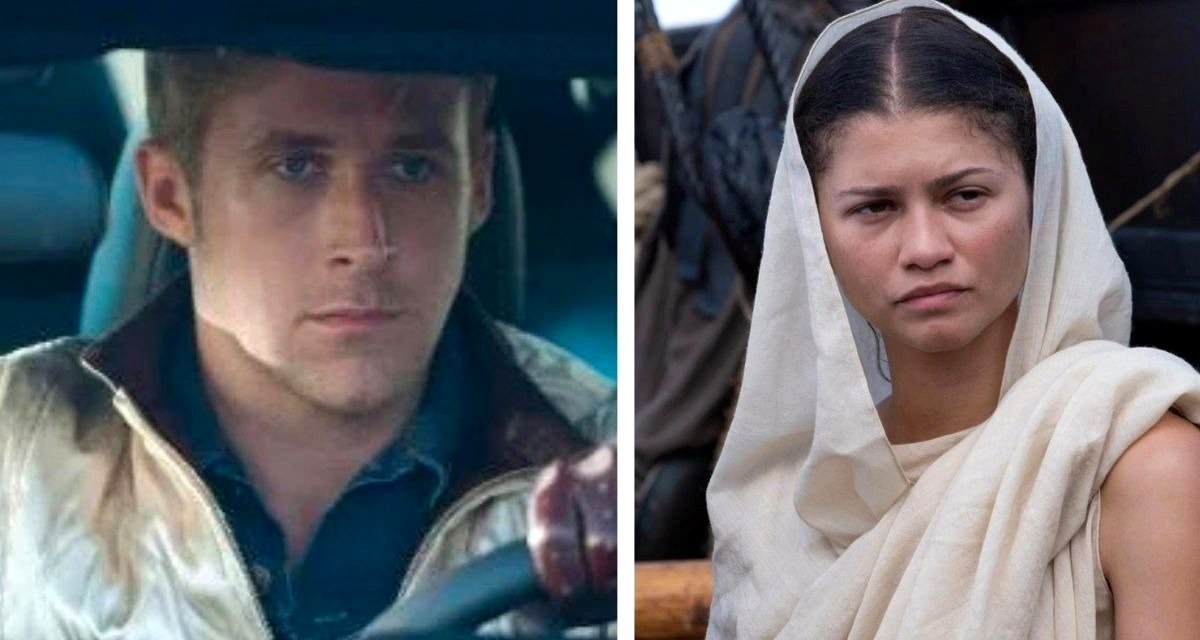
Kuleshov’s theories on editing and montage are still relevant today. Directors like Alfred Hitchcock notably used these concepts, as seen in his film Rear Window, where the cuts between Jimmy Stewart’s face and what he observes build tension and suspicion. This approach reflects a shift in the film industry towards naturalism, highlighting how people often hide their true feelings rather than show them openly. Advances in technology, such as high-resolution cameras and green-screen techniques, have further influenced this trend.
However, some critics miss the days of more expressive faces in film. They cite the rise of Botox, which may restrict facial movement, as a reason some performances feel stiff or artificial. Effective acting doesn’t always involve grand expressions; sometimes, a slight change in the eyes or a small grin can convey deep emotions. While the Kuleshov Effect can enhance these subtle cues, it cannot create them if the actor’s face is completely expressionless. The ability of filmmakers to engage audiences remains tied to emotional connections that come from genuine human performance.
What do you think about the evolution of acting styles in film?
Sources:
Source: Upworthy, by Heather Wake