One of Europe’s largest supermarket chains, the Spar Group, is starting a project aimed at introducing heritage apple varieties to the market. They are conducting tests of various alpine apple cultivars, which have unique names that show the creativity and effort from the time they were created, some over 200 years ago. Collaborating with Spar is the Austrian produce company Frutura, and their initial focus is on two specific types: the Ilzer Rose from Styria, dating back to 1840, and the Falchs Gulderling, identified in South Tirol during the 1870s.
Markus Kaser, the deputy chair of Spar Austria, mentioned in an interview with the Guardian that more and more consumers are interested in the origins of their food, including the types of apples and their flavors. The goal of this project extends beyond just reviving historical varieties; it also aims to assess if these old apple types can adapt to modern agricultural conditions. Kaser noted that if the project is successful, they hope to distribute these unique apples across the region.
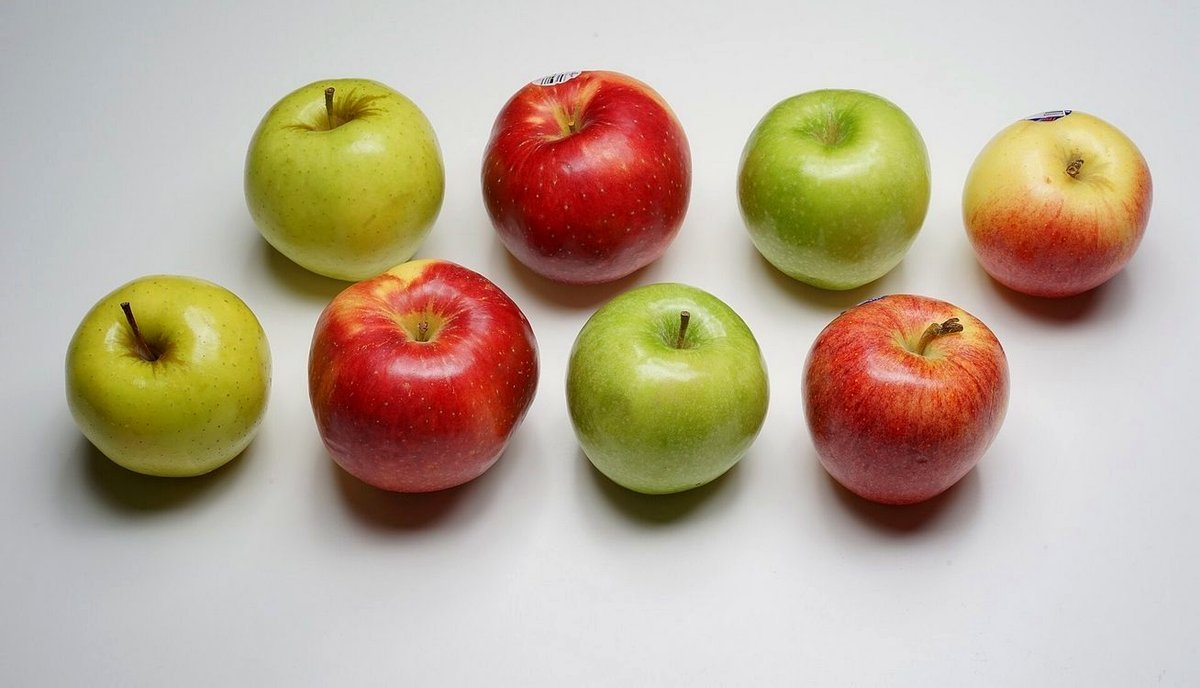
Currently, there are about 7,500 apple varieties being cultivated, but the Lost Apple Project states that there were approximately 17,000 varieties developed in North America during the 18th and 19th centuries. Despite the number of existing varieties, it is common to find only 3 to 5 types in supermarkets. This is due to the focus of industrial agriculture on varieties that are bred for their taste, high yields, bright colors, and resistance to pests and diseases.
Frutura and Spar’s experimental orchard in Styria has planted 2,150 heirloom apple trees, and the first apples were harvested this month. These apples will soon be available for trial in markets in Vienna. Katrin Hohensinner-Häupl, co-managing director of Frutura, shared with the Guardian that the flavors of the Ilzer Rose and the Gulderling have nostalgic qualities, reminding her of childhood experiences.
What do you think about the revival of these older apple varieties?
Sources:
Source: Good News Network, by Andy Corbley