Modern life can feel overwhelming with work, traffic, and rising costs for food and gas. Many people sometimes wish for a simpler way of living, imagining the peace that might come from stepping away from busy routines and constant notifications. Some individuals aspire to the solitary and strict life of a medieval hermit. Max Miller, who runs the YouTube channel Tasting History, gained attention for recreating a straightforward dish enjoyed by these recluses: fried fava beans and onions. This dish is basic, rustic, and surprisingly enjoyable. Many viewers reacted humorously, expressing their desire to escape to a simpler life.
Miller’s exploration of historical records revealed how some medieval hermits sustained themselves. He found a note on parchment mentioning one hermit who lived on just barley bread and muddy water. Others consumed comforting vegetable stews, known as pottages. For Miller’s recipe from the 14th century, the steps are straightforward: boil dried fava beans until they burst, remove the husks, add chopped onions and minced garlic, and fry everything in oil. This recipe represents minimalist cooking at its finest.
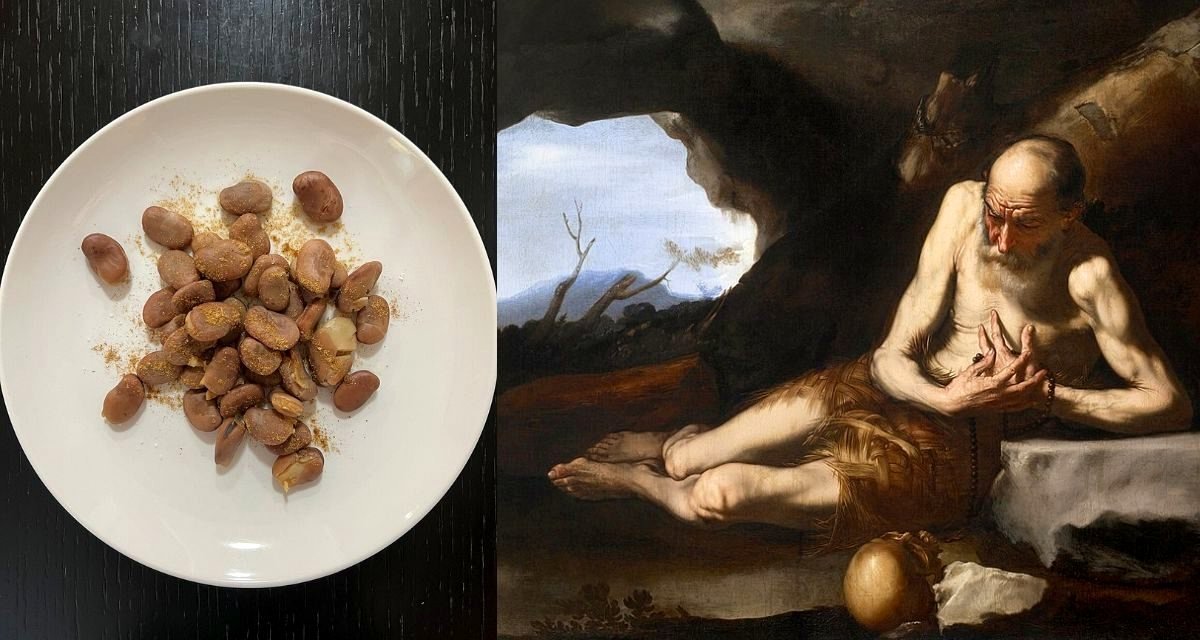
Viewers flooded the comments with funny remarks. One person mentioned frustration that Medieval Hermit was not a career option suggested by guidance counselors. Another remarked that some fasting meals looked unappetizing, but Miller’s dish seemed appealing. Some comments reflected on how such a meal might impact relationships, with one viewer joking about being forced into isolation for eating beans and onions.
As household costs increase, many people viewed this historic meal as a sign of economic troubles, with one comment referring to the video as a recession indicator. The image of a modern hermit might include a cozy cottage and a stack of books, but the actual life of a medieval hermit was much tougher. Miller explained that many hermits, including monks and nuns, chose to live walled into small stone cells attached to churches. They would spend their lives in these tiny spaces with only a few small windows. They depended on strangers to deliver their meals through a wall slot, often demonstrating their discipline by wearing uncomfortable clothing.
In the 18th century, hermits became unusual status symbols for wealthy landowners, who hired them to live on sprawling estates. Known as ornamental hermits, these individuals were required to live unwashed amidst beautiful gardens, serving as decorations for guests. Compared to the strict lives of hermits, modern attempts to disconnect from technology seem much more comfortable. Watching someone prepare a simple medieval bean dish can serve as an interesting reminder that people have endured hard times with very little for centuries, showing that even sautéed beans can be tasty.
Sources:
Source: Upworthy, by Patrick Hamilton