The author’s grandfather was a remarkable man who served in World War II and lived into his 90s with great energy. He left a lasting impression on everyone who met him. Known for his memorable quotes and humor, he would often joke during family visits with playful phrases that hinted it was time to end the visit.
This grandfather, a member of the Greatest Generation, was also a fantastic host. He had one piece of advice for his grandchildren about engaging in conversation: one should always ask the last question. This approach might seem simple, but it contrasts with much of today’s advice, which often emphasizes charm and charisma. The author notes that the key to having interesting conversations lies in genuinely being interested in what the other person has to say.
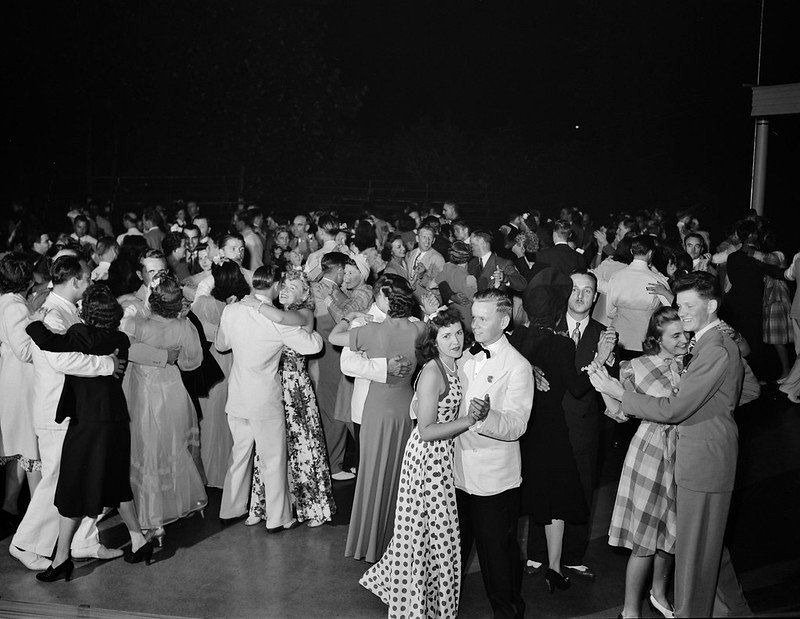
The grandfather excelled at this technique because he understood that the questions did not have to be deep or complicated. By persistently asking questions, he would eventually discover topics that led to more substantial discussions. Initial conversations often began with practical topics like travel details, but they soon evolved into deeper interactions.
This method of questioning has been recommended for years by psychologists and experts in conversation. Research from Alison Wood Brooks and colleagues at Harvard Business School shows that people who ask questions, especially follow-ups, tend to be better liked by their conversation partners, which aligns with the grandfather’s advice.
However, many people struggle with this skill in conversations. Writer Sarah Miller describes individuals who do not ask questions as “non-askers.” In a 2015 article in Harvard Business Review, consultants reported that parents believed a large percentage of their children’s conversations involved questions, while adults felt that only a small portion of their conversations were made up of questions. This suggests a decline in curiosity over time, which affects how people connect with one another.
The challenge of asking questions is highlighted by Susan Cain, who writes about how Western society shifted from valuing character to focusing on personality, particularly during the rise of salesmanship and corporate culture. In this new environment, being charming and a good storyteller became essential for success.
Sources:
Source: Upworthy, by Upworthy Staff