For nearly five years, the homeowner experienced a calm lifestyle in their house. They had few issues with neighbors, maintained their property well, and preferred to keep to themselves. This changed when a new neighbor moved in next door. Initially, the homeowner greeted her warmly, introduced themselves, and even offered to help with her boxes when she seemed to struggle. They believed they would get along well, but this was not the case. In just a few weeks, the new neighbor started finding faults with many aspects of the homeowner’s property. She first complained that the homeowner’s trash cans were too visible from the street, saying they harmed the neighborhood’s appearance. The homeowner explained that the cans were placed beside the garage in the same spot for years. Then, she objected to the wind chimes hanging by the porch, claiming they made too much noise in the wind. The homeowner listened and said they would think about moving them if they became a true issue. However, this did not satisfy her.
One Saturday morning, the neighbor knocked on the homeowner’s door. When it opened, she stood with her arms crossed, looking toward the backyard. She remarked that the fence appeared too tall. The homeowner noted it had been there before they purchased the property but thanked her for her input. The neighbor rolled her eyes, muttered something, and walked away. The homeowner believed this would be the end of the situation and had no interest in disputing a fence that had stood for years. Unfortunately, the neighbor had different intentions.
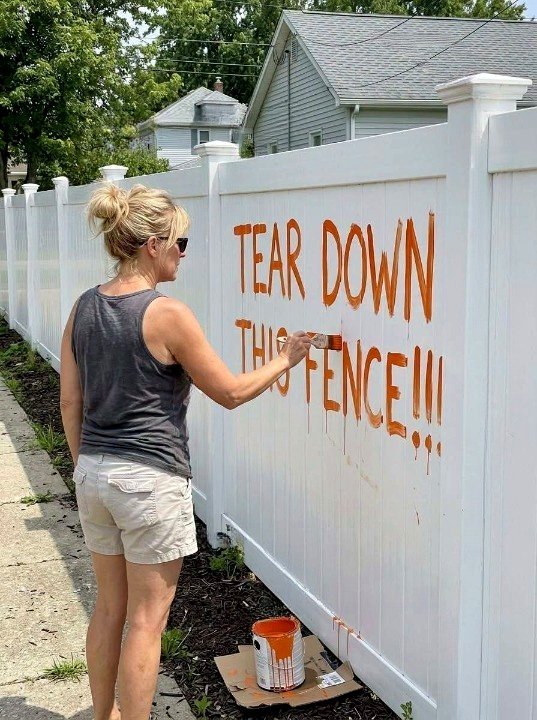
About a week later, when the homeowner returned from work, they found a bright orange notice on their mailbox. It was an official notice from the city, stating that someone had reported the fence for potentially being too high. The homeowner understood who was behind the complaint. The next morning, as they went outside to grab the newspaper, they noticed the neighbor watching them from her driveway, seemingly pleased. When their eyes met, she commented that rules are rules and suggested the homeowner should think before breaking them. The homeowner did not respond but nodded and went back inside. They knew there was no cause for concern since the fence had been there before their ownership, and they had all relevant home inspection paperwork.
Despite this, the homeowner chose to work with the city to have an inspector check if there was a problem. The inspection was set for Thursday morning, and the neighbor made sure to be present. When the inspector arrived, she stood near the property line with her arms crossed, ready to see what she hoped would be a negative outcome for the homeowner. The inspector introduced himself, reviewed the notice, and began measuring the fence, while the neighbor followed closely behind. She repeatedly asked if the fence was over the limit. The inspector took his time, measuring different sections, checking the height, and making notes in his notebook. The neighbor grew more impatient as he worked, but the homeowner stayed silent, letting him do his job.
Once he finished measuring, the inspector closed his notebook and turned to both of them. He confirmed that everything was compliant and that there was no violation. The neighbor’s expression changed, and for a moment, she seemed confused by the inspector’s statement. When she asked for clarification, he explained that the fence met all height requirements.
Sources:
Source: Teknonoktasi, by admin