A baby orangutan has been rescued in a forest in Borneo and is drawing attention to the severe wildfires affecting Indonesia. The baby, named Irene, appeared very stressed and underweight, according to Dr. Karmele Llano Sanchez, a wildlife veterinarian. She mentioned that Irene might have gone days without food in the damaged forest. Dr. Karmele leads YIARI, which is collaborating with International Animal Rescue to address the crisis. Irene and her mother received medical care and safety at YIARI’s rehabilitation center.
The fires are particularly dangerous for orangutans, which live only in the tropical rainforests of Borneo and Sumatra, located in parts of Indonesia, Malaysia, and Brunei. All three orangutan species—Bornean, Sumatran, and Tapanuli—are considered endangered. Borneo often experiences fires during the dry season, but this year’s Super El Niño has made conditions worse, leading to continuous fires that have lasted for months. This has put both people and wildlife in danger.
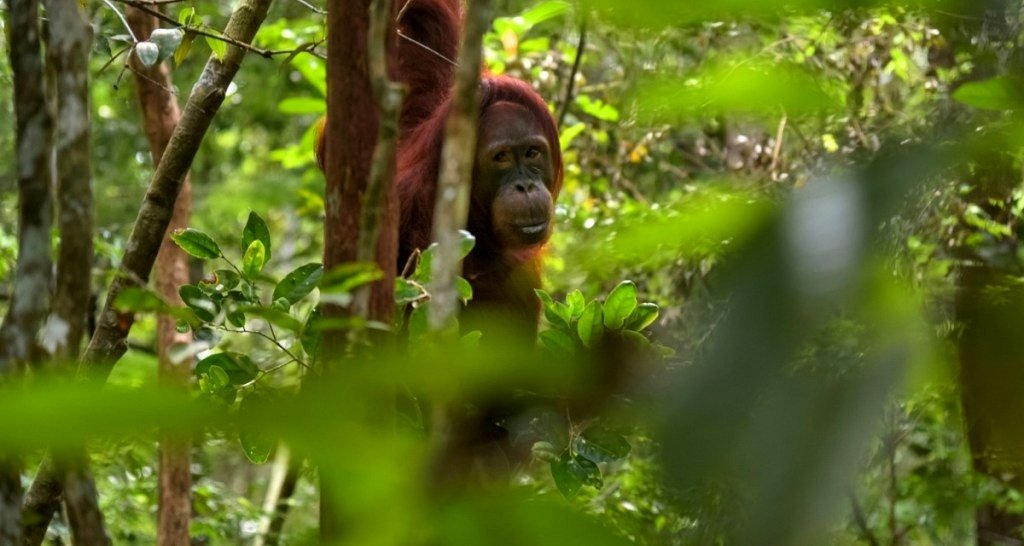
International Animal Rescue explained that ongoing fires are destroying essential habitats for orangutans, leaving them without food, shelter, or safe places to go. They shared that many rescued orangutans include mothers trying to save their young and frightened juveniles who are alone. Numerous orangutans have been found suffering from dehydration, malnutrition, burns, and injuries.
Gavin Bruce, CEO of International Animal Rescue, noted that Dr. Karmele and her team at YIARI have years of experience working with orangutans. In recent months, they have worked tirelessly to rescue at least 51 orangutans from the fires in West Kalimantan, with baby Irene being just one example of their efforts. Bruce also highlighted how seeing Irene with Dr. Karmele illustrates the close connection between humans and orangutans, as they share about 97% of their DNA. Orangutans show culture by passing down behaviors like nest-building, tool use, and ways to keep dry, which vary by region, similar to human cultures.
Irene’s situation highlights the vulnerability of wildlife during natural disasters, but it also shows that people are affected by the fires as well. The fires have led to the closure of thousands of schools and parks, as well as an increase in asthma and other respiratory issues. The smoke has spread throughout the region, creating breathing difficulties and health risks for those at risk. This year’s fires are reminiscent of the 2015 Super El Niño, which caused extensive destruction. Nisa Novita, a researcher at the conservation non-profit YKAN, mentioned that the current fire season’s severity is similar to that of 2015.
As threats to health, homes, and environments grow, so will the needs in the region. The fire crisis fund by International Animal Rescue aims to provide firefighting equipment, personnel, and veterinary help to combat the fires and rescue affected wildlife. What do you think can be done to help both wildlife and people during such crises?
Sources:
Source: Upworthy, by Annie Reneau