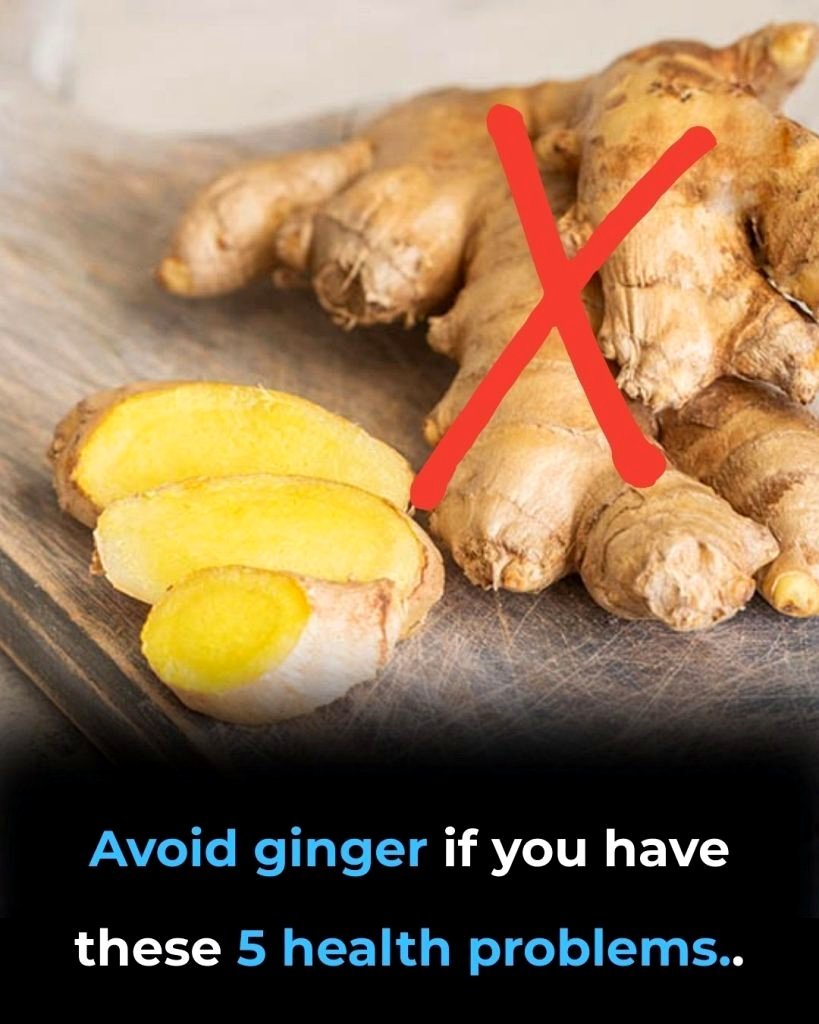
Ginger is widely known for its strong anti-inflammatory and digestive properties. Many people use it as a home remedy for issues like nausea, colds, and muscle discomfort, and it is generally safe for most individuals. However, some people may not respond well to ginger. For those with specific health issues, consuming ginger regularly or in large amounts could lead to adverse effects. Here are five health conditions where one might want to reconsider including ginger in their diet, along with safer alternatives.
First, individuals with bleeding disorders or those taking blood thinners should think carefully about ginger. This spice contains natural compounds that can thin the blood and inhibit clotting. While this can be beneficial for healthy individuals, it might increase the risk of excessive bleeding, easy bruising, or nosebleeds for those with bleeding disorders or on anticoagulant therapies like warfarin, aspirin, or clopidogrel. A safer option could be using turmeric in moderation, as it offers anti-inflammatory benefits without significantly affecting blood thinning. It is also advisable to increase vitamin K intake through foods like spinach, kale, and broccoli, which can help maintain normal blood clotting. Consulting a doctor before taking herbal supplements while on prescription blood thinners is recommended.
Secondly, people with diabetes should be cautious about ginger. Although ginger is known for its ability to lower blood sugar levels by enhancing insulin sensitivity, this can lead to hypoglycemia for diabetics who are already using insulin or glucose-lowering medications. Hypoglycemia can cause symptoms like dizziness, sweating, confusion, or even fainting. Better alternatives include drinking green tea or cinnamon tea, which can help manage blood sugar levels more gently. Eating balanced meals with whole grains, lean proteins, and fiber-rich vegetables can also help stabilize glucose levels. Regular monitoring of blood sugar and discussing any herbal supplementation with a healthcare provider is important.
What are your thoughts on these health considerations regarding ginger?
Sources:
Source: Kitchen, by recipes