A breathtaking aurora illuminating the night, massive clouds of interstellar dust, and far-off celestial bodies captured in stunning detail are featured in the 2026 Astrophotography Prize. This competition highlights what photographers from across the globe can achieve with the right tools, a camera, and a lot of patience. Established in 2023, the Astrophotography Prize is a global contest created by astrophotographers for their peers. In its fourth year, the event saw around 500 submissions from 22 countries, with photographers competing in four categories: Astro Landscape, Aurora, Deep Space, and Remote Imaging. Each category reflects a unique element of astronomical photography, ranging from night skies over familiar landscapes to distant galaxies and nebulae.
One of the standout images was captured by New Zealand’s Evan McKay, who received the title of Astrophotographer of the Year for his work taken at Cathedral Cove. This winning image, which also claimed the top spot in the Astro Landscape category, is a combination of 24 photographs taken before and during moonrise. Judges noted the image’s impressive detail, well-balanced composition, and atmospheric feel. McKay was awarded the grand prize of $3,000, which is sponsored by the Chabot Space & Science Center in California.
In the Astro Landscape category, another finalist was Matteo Strassera from the UAE, who created a panorama of the Milky Way over the Rub’ al-Khali Desert, featuring a lone figure between the cosmos and the dunes. Kavan Chay from New Zealand also stood out with his expansive capture of the Aurora Australis over Waipapa Point, which required 12 frames for the panorama and an additional six for the lighthouse in the foreground.
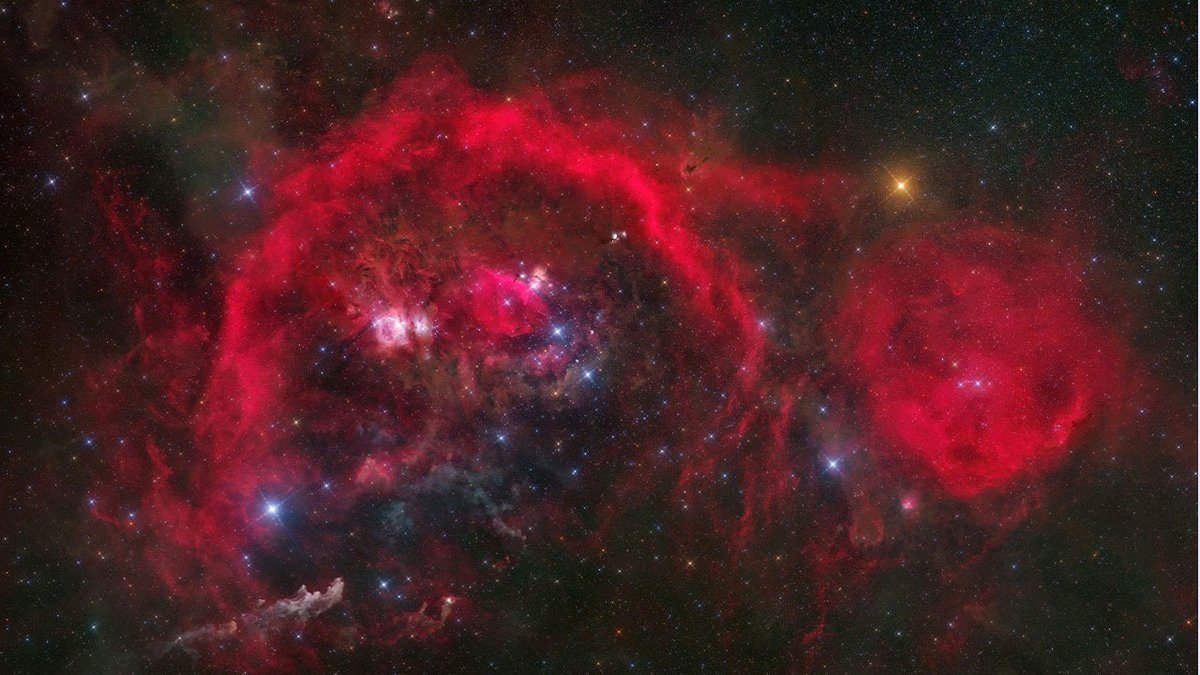
Other winners included Jason Perry from Australia, whose image of the northern lights in Norway’s Lofoten Islands topped the Aurora category. Then there was Marzena Rogozińska from Poland, who won in the Deep Space category for her photograph of dark clouds in the Chamaeleon constellation. Alpha Zhang from China received unanimous acclaim in the Remote Imaging category for his shot titled “Galileo’s Finger.”
In an interesting twist, the competition’s judging process is open to the public. The organizing team offers live broadcasts of the judging sessions, allowing audiences to watch the evaluations unfold.
Check out these impressive visuals and let us know which photograph you found the most striking!
Sources:
Source: Bored Panda, by Tarik Velić