A new reality show called Academia dos Nepo Babies, featuring the children of Brazilian celebrities, has faced strong criticism before it even premieres. The show, which is set to air on Globoplay, aims to challenge the heirs of famous families with tasks related to jobs and daily activities. However, many viewers were unimpressed after an initial demonstration. The backlash started when a celebrity’s daughter was tasked with washing dishes during a launch event, which quickly became a topic of discussion online. One viewer expressed their outrage over the moment.
Academia dos Nepo Babies was announced by Brazilian broadcaster Globo at its 2027 upfront event held in São Paulo on October 14. The show will stream exclusively on Globoplay and is produced by Estúdios Globo. It brings together celebrity offspring, commonly referred to as “nepo babies,” for competitions involving various tasks beyond their usual experiences. Unlike typical reality shows that focus on eliminations, the participants will face professional challenges evaluated by experts who will assign points based on their performances throughout the season. The contestant with the highest score at the end will be declared the winner. The aim is to observe how these privileged individuals manage unfamiliar challenges and learn new skills.
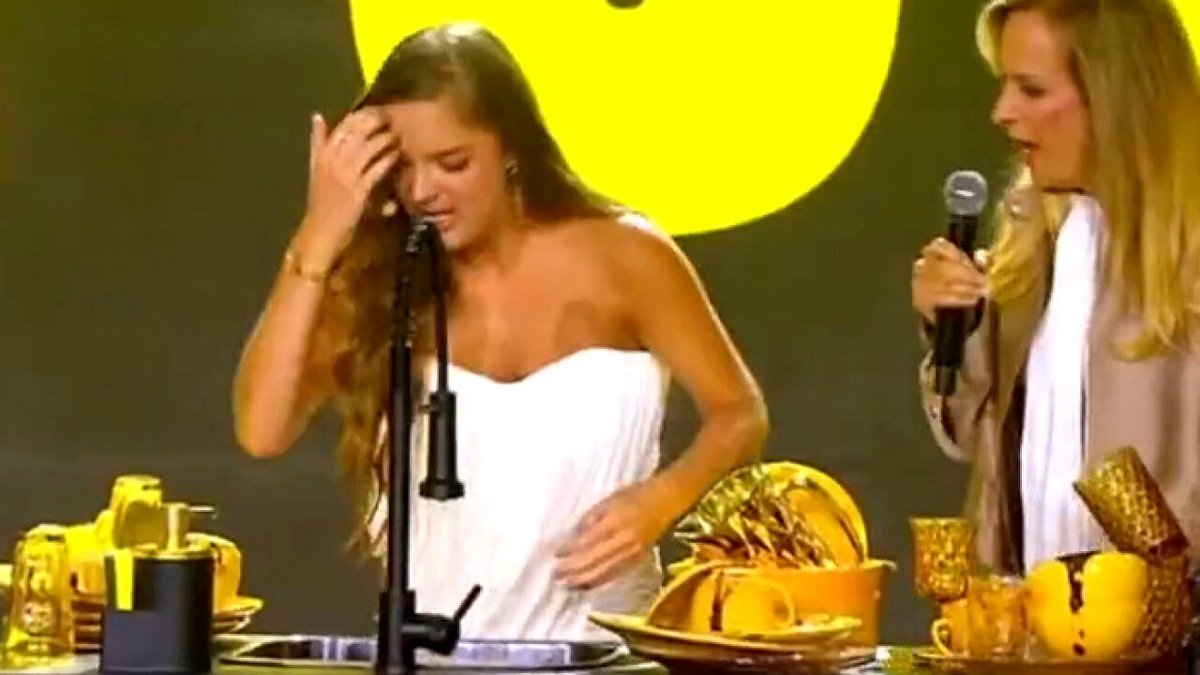
The format has sparked debate regarding whether simple household chores can be considered significant challenges for those raised in wealth. Ticiane Pinheiro, a television presenter in Brazil, is set to host the show after her tenure at Record. She introduced the project alongside her mother, Helô Pinheiro, and her daughter, Rafaella Justus, emphasizing the generational ties to celebrity culture that inspired the show’s title.
During the presentation, Rafaella Justus’s dishwashing challenge became a focal point of criticism. She was given a preview of an upcoming task and struggled with washing a stack of dishes, commenting on her chipped nail. While the audience laughed, it drew negative remarks from online observers who questioned the show’s concept. Some critics noted the absurdity of wealthy individuals performing tasks typically associated with lower-income households.
Sources:
Source: Bored Panda, by Rocio Corsi