A post from Re:wild shared information about the Bangka slow loris, a primate once thought to be extinct since 2015. However, recent videos show that this species, known as N. bancanus, is still alive, thanks to a local wildlife group on Bangka Island that has been rescuing and releasing them back into their natural habitat for years. The last known sighting of the Bangka slow loris in Western science was in the 1930s, and it was listed as “possibly extinct” in 2015.
Research led by Austrian scientists and their international colleagues highlights the rediscovery of this species. Their initial clue about the Bangka slow loris’s existence came from a 2022 field guide on Indonesian primates written by a scientist named Supriatna. This guide mentioned Gunung Maras National Park, a small forest area near Muntok city on Bangka Island, as a possible habitat for the slow loris. Supriatna also referenced an unpublished thesis regarding the Bangka slow loris from the Alobi Wildlife Rescue Center. Further investigation into the Alobi Center confirmed that the animal had not gone extinct.
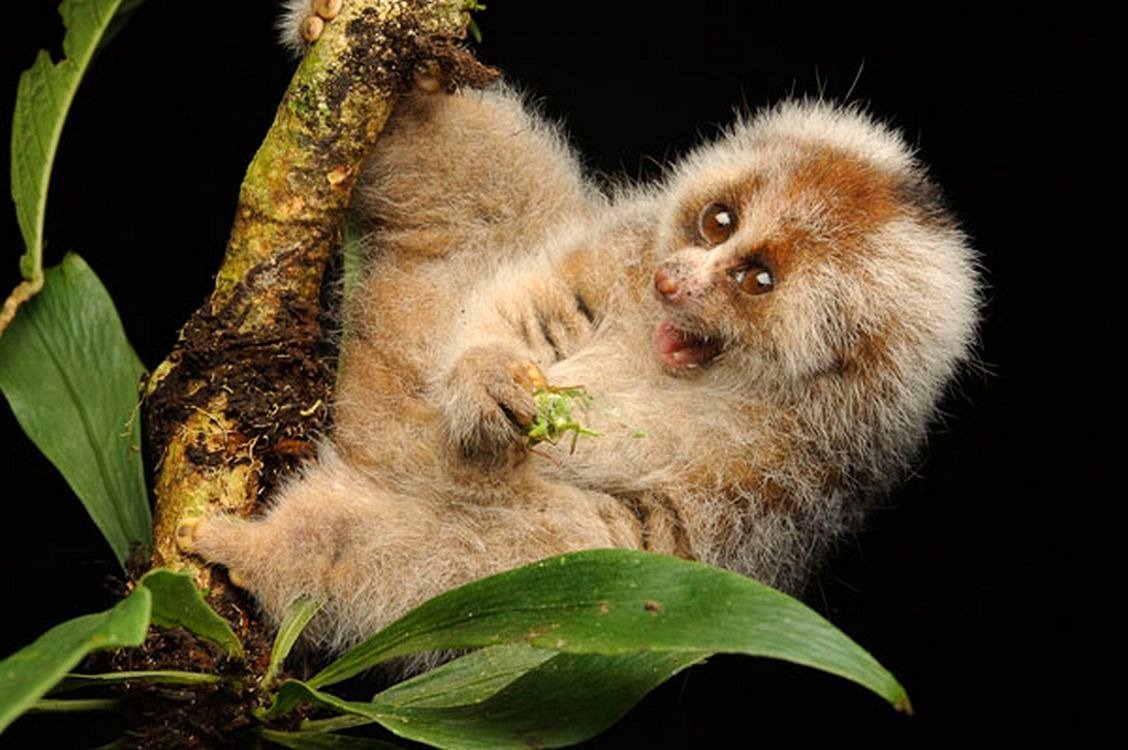
The research authors noted that data from the Alobi Wildlife Rescue Center since 2015 showed the Bangka slow loris still exists and is likely more widespread on Bangka Island than previously thought. Between 2015 and 2025, the center rescued over 90 Bangka slow lorises, with 86 being released afterward, as reported by Smithsonian Magazine. Most rescues happened because the animals wandered too close to human settlements and ended up in gardens, plantations, or on roads.
Benji Barca, a program manager at Re:wild, mentioned that this study underscores the importance of local communities and Indigenous peoples in conservation efforts, as they often have intimate knowledge of these species and their environments. He emphasized that a species can vanish from scientific records while still being present in the lives of those who share its habitat.
The Bangka slow loris is one of the few venomous primates in the world. Although it eats a varied diet, this slow loris can produce a toxin from glands on its upper arms. It licks the toxin and mixes it with its saliva, turning its bite into a cytotoxic defense mechanism. This venom can harm cells quickly and can lead to serious health issues like necrosis and slow wound healing. Along with the pygmy slow loris, they are unique for having this ability, which highlights the need for better conservation efforts.
What do you think about the rediscovery of the Bangka slow loris?
Sources:
Source: Good News Network, by Andy Corbley