In the heart of Paris back in 1969, a storm brewed, but it wasn’t made of rain or wind. It was a whirlwind of change, sparked by a bold fashion statement that would turn heads and create conversations like never before. Imagine young women strutting through the cobbled streets, their legs bare, the hemlines of their miniskirts rising higher than anyone had ever seen. Excitement mixed with unease as these daring pieces of fabric challenged traditions and shocked onlookers.
In those days, Paris was not just a city; it was the epicenter of culture and style. Fashion was everything, and the way people dressed told stories of who they were and what they believed in. The late sixties brought a wave of freedom and rebellion, and many young women felt empowered to express themselves through their clothing. The miniskirt, invented by the trailblazing designer Mary Quant, became a powerful symbol of that liberation. But, for some, it sparked unease and disapproval.
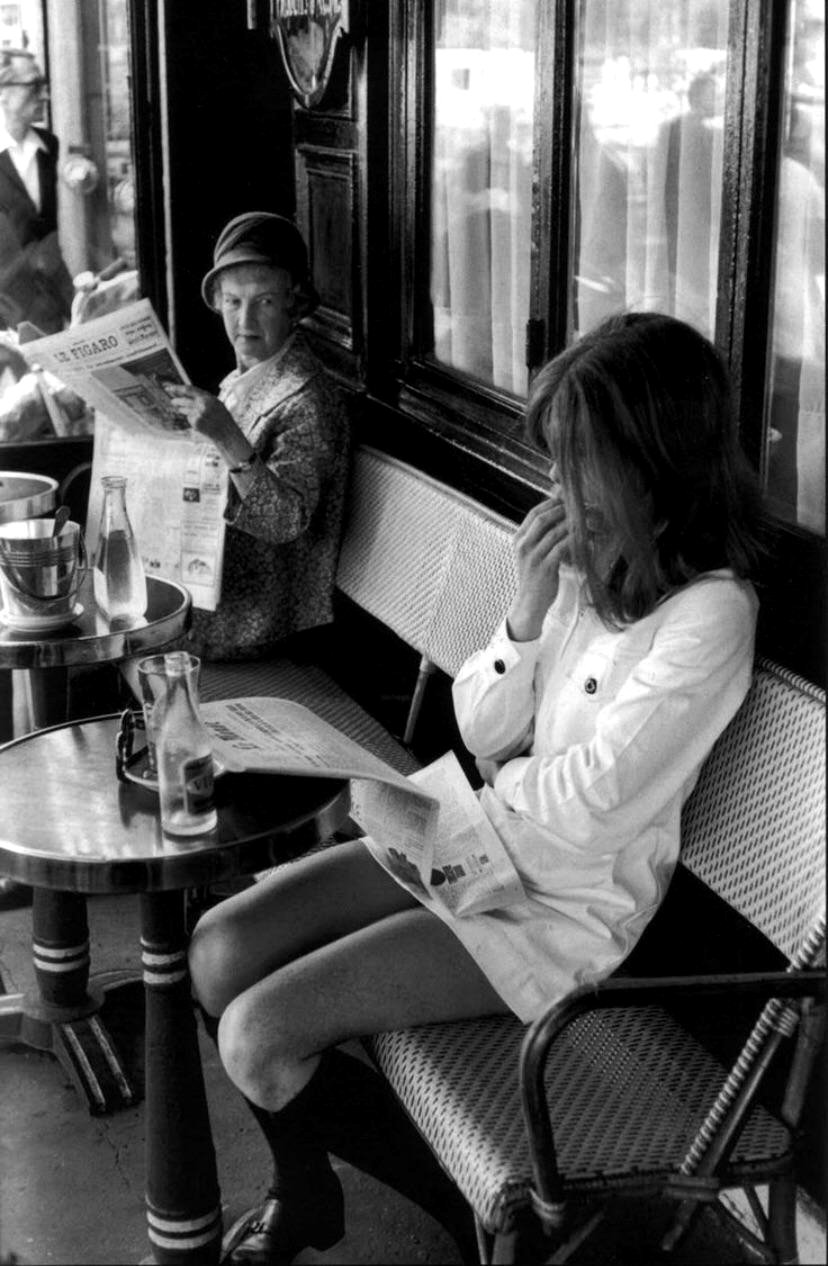
As young women stepped out in their miniskirts, reactions varied widely. Some celebrated this newfound freedom, seeing it as a step towards equality and independence. Yet, others were less enthusiastic. Among the older generations, the miniskirt was seen as scandalous and disrespectful. “What happened to modesty?” they would whisper. In cafes and on busy street corners, discussions erupted about women’s rights, fashion, and the changing roles of women in society.
One particular spring day, a young girl named Claire stood in front of her mirror, the sunlight streaming in, illuminating her excitement. She was just sixteen and felt alive with possibilities. Today, she was ready to wear her first miniskirt to school. As she twirled, her skirt danced around her, and she could almost hear the cheers of her friends in her mind. But deep down, an uneasy feeling crept in. Would her teachers approve? Would her parents be outraged?
With every step she took towards school, Claire felt her heart race. Would she be met with admiration or scorn? As she entered the classroom, a hush fell over the students. All eyes turned to her. There were gasps, followed by whispers. Some classmates smiled and gave her thumbs up, while others frowned, shaking their heads disapprovingly. Claire felt a surge of courage course through her. She was proud of what she was wearing, and she wanted to show it to the world.
But the resistance was real. A teacher, concerned with the message the miniskirt sent, called Claire to her desk. “This isn’t appropriate for school,” she said, her voice stern. Claire’s heart sank. She didn’t want to be disrespectful; she just wanted to express herself. In that moment, she felt like a tiny bird trapped in a cage, yearning for the sky but held back by the weight of expectations.
The emotional peak of this story lies in the clash of generations. Claire wanted to feel free while her teacher, a woman from a different time, held tightly to the idea of propriety. It wasn’t just about a piece of clothing; it represented a fight for autonomy and self-expression that many were beginning to embrace. Claire’s determination to wear her miniskirt was more than just a fashion choice; it was a declaration of who she wanted to be in a world that was changing rapidly.
As the day went on, whispers of approval began to spread. By lunchtime, Claire’s friends rallied around her, excitedly complimenting her bold choice. “You look amazing!” one giggled, while another added, “You’re starting a trend!” In that moment, the support of her peers washed away the sting of disapproval from a few adults. Claire knew she was part of something bigger – a movement that pushed against the boundaries of what was considered acceptable.
When the bell rang at the end of the day, Claire walked out of school with her head held high. She had stood her ground against the naysayers and embraced her individuality. The miniskirt, once a source of anxiety, now felt like a badge of honor. As she strolled through the streets of Paris, the earlier stares turned to smiles, and she felt a sense of belonging. The city was alive with chatter about fashion, rebellion, and change.
This story resonates with so many people because it highlights the universal struggle of finding one’s voice and place in a world that often feels constricting. It reminds us of the courage it takes to step into the unknown, to push back against societal norms, and to embrace who we truly are. Claire’s journey represents not just a moment in time but a timeless battle for freedom and self-expression.
As this chapter of Claire’s life unfolded, she learned that change doesn’t come easy. It requires bravery, and sometimes, it means facing criticism. But like the brave young women of her time, she knew that her choice mattered, and it could inspire others to embrace their true selves, no matter the stakes.
As we reflect on Claire’s journey, we invite you to think about your own moments of courage. Have you ever had to stand up for what you believe in, even when it felt difficult? What does self-expression mean to you? Share your thoughts and stories with us.
Source: Originally shared by u/BitterLemonDark on r/OldSchoolCool. This story has been retold and expanded for editorial purposes.